
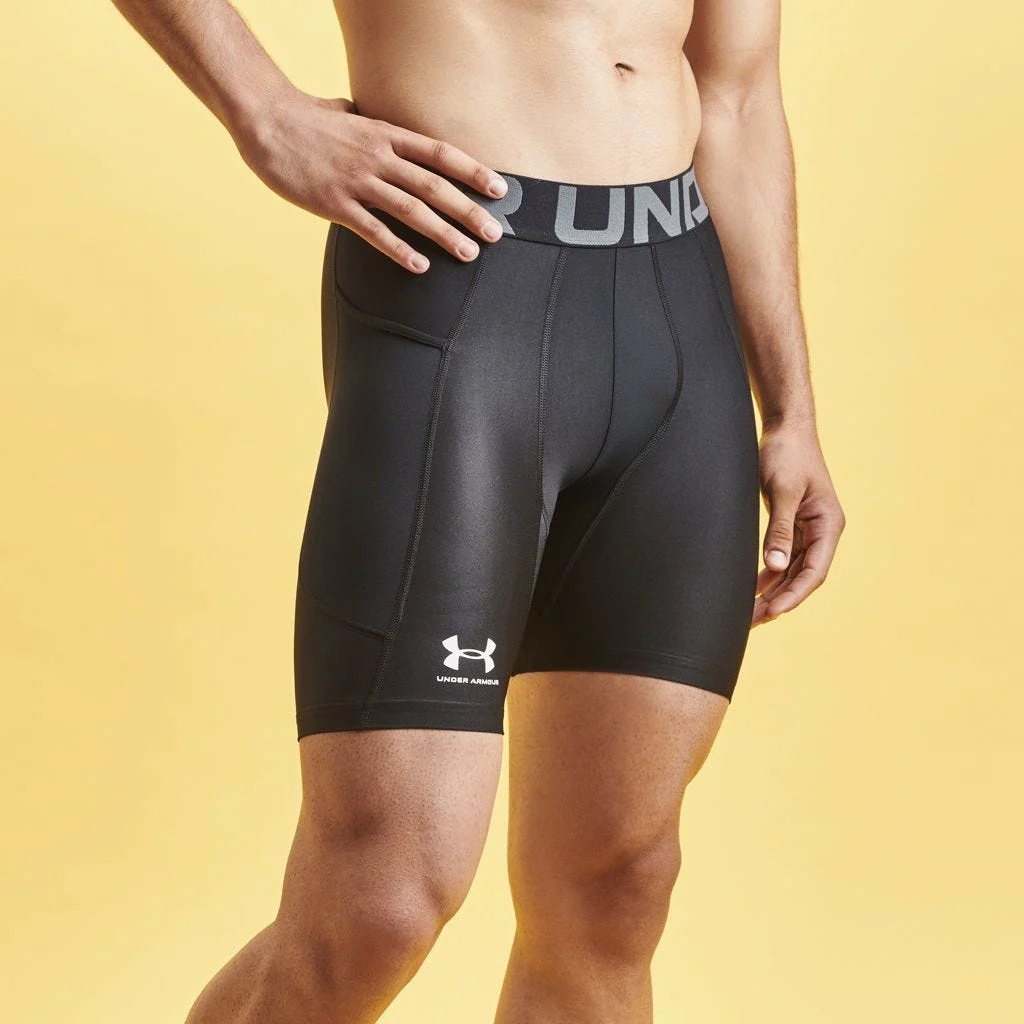
"Modern compression gear has transitioned from a niche recovery tool for elite athletes into an essential baseline for any fitness regimen, offering a critical trifecta of muscle support, moisture management, and friction reduction."

This insight underscores a significant shift in the fitness apparel industry, where the focus has moved beyond aesthetics toward functional textile engineering. No longer just a layer for warmth, compression shorts now serve as a sophisticated interface between the body and the environment, utilizing graduated pressure and advanced synthetic blends to enhance proprioception and mitigate the common physical setbacks of high-intensity training.
The landscape of men’s fitness has been fundamentally altered by the integration of compression technology. Whether for a marathon runner seeking to prevent debilitating thigh chafing or a powerlifter looking for joint stability and muscle containment, the compression short has become the foundational garment of the modern gym bag. To understand the current market, one must look at the convergence of material science—specifically the use of polyester, nylon, and elastane—and ergonomic design. The goal is no longer just to "squeeze" the muscles, but to provide a "second-skin" fit that moves dynamically with the wearer while managing the micro-climates of the skin during exertion.

The Gold Standards of Versatility
When discussing the pillars of the compression world, Under Armour remains a central figure. Their HeatGear Compression Shorts have become a benchmark for what many trainers, including industry experts like Ebenezer Samuel, C.S.C.S., describe as the "second-skin" fit. The engineering behind these shorts focuses on a seamless construction that removes potential irritation points from chafe-prone areas. By strategically placing mesh panels in high-heat zones, the garment provides ventilation that standard synthetic underwear cannot match. At a 6-inch length, they strike a balance between providing enough coverage to prevent skin-on-skin friction and remaining discreet under standard training shorts.
Similarly, Adidas has leveraged its proprietary AEROREADY technology in the Techfit Training Short Tights. These are particularly notable for their temperature regulation. In the realm of performance apparel, "moisture-wicking" is a common term, but true temperature regulation involves maintaining a steady muscle temperature regardless of external conditions. The Techfit line is also a leader in the industry’s push toward sustainability, incorporating at least 60% recycled content without compromising the tensile strength of the elastane. This durability is crucial; many budget options lose their "snap" after a few dozen wash cycles, but high-tier options like those from Adidas and Under Armour are designed to maintain their compressive properties over the long term.

The Rise of Premium Performance and HIIT Gear
For those engaged in high-intensity interval training (HIIT) or CrossFit, the demands on a compression short are unique. The garment must stay "locked" in place during explosive movements like burpees, box jumps, or sprints. Ten Thousand has carved out a significant niche here with their Compression Short. Unlike budget alternatives that may slide down during a deep squat, these utilize a high-percentage nylon and spandex blend (78/22) that offers a more robust "squeeze." The inclusion of a side pocket for phone storage reflects a growing trend: the compression short as a standalone garment. While traditionally worn as a base layer, the thickness and opacity of premium fabrics from brands like Ten Thousand allow athletes to wear them alone during intense sessions.
Wolaco’s North Moore Compression Shorts take this functionality a step further with their patented sweat-proof pocket system. For distance runners and marathon trainees, the "jostle" of a phone or keys against the hip can ruin a rhythm. Wolaco solves this through water-resistant pockets that keep valuables dry and immobile. Their use of a thicker moisture-wicking waistband and flatlock stitching ensures that even during a two-hour run, the garment does not dig into the skin or cause the dreaded "roll-down" effect.

The Science of Fabric: Nylon vs. Polyester
The choice between nylon and polyester blends is more than a matter of cost; it dictates the feel and function of the garment. Polyester-based shorts, like those from Hanes or the budget-friendly Runhit, are prized for their durability and quick-drying capabilities. Polyester is naturally hydrophobic, meaning it doesn’t absorb water, making it ideal for heavy sweaters.
Nylon-based shorts, such as those from Alo Yoga and Ten Thousand, offer a "luxe" feel. Nylon is softer to the touch and generally offers more stretch and recovery (the ability of the fabric to return to its original shape). The Alo Yoga Warrior Compression Short, for instance, uses a 9-inch inseam and a nylon jersey fabric that prioritizes comfort and odor resistance. These are often preferred by yoga practitioners or those who transition from the gym to a social setting, as the fabric looks more like high-end "athleisure" than traditional shiny spandex.

Navigating the Budget and Value Market
For many fitness enthusiasts, the "cost per wear" is a primary concern. This has led to the massive popularity of multi-pack options on platforms like Amazon. Brands like Telaleo and Runhit offer 3-pack and 5-pack options that bring the price per pair down to under $10. While these may lack the advanced seam-mapping of a $70 pair of Wolacos, they provide a "no-frills" utility that is hard to ignore.
The Telaleo 5-pack is noted for its "unforgiving" compression. In the world of athletic gear, weak compression is often worse than no compression at all, as it can lead to bunching. These budget options often require users to size up, but they offer features once reserved for premium brands, such as UPF 50+ sun protection. However, the trade-off for these lower price points is often found in the finishing. Users may notice fraying at the seams after several wash cycles, a reminder that while the fabric is effective, the construction may not survive the rigors of heavy machine drying.

Specialized Solutions for Runners
Running presents a specific set of challenges: repetitive motion and vertical oscillation. Brooks, a brand synonymous with running excellence, has addressed this with the Dash Half Tight. At an 8-inch length, these provide the necessary coverage to prevent "runner’s rub" (chafing on the inner thighs). The balance here is between "squeeze and fit." Too much compression can feel restrictive over long distances, while too little fails to support the quadriceps and hamstrings. The Brooks model focuses on a "near-perfect fit" that moves with the gait cycle, ensuring that the hem doesn’t ride up toward the groin during a stride.
Engineering Comfort: Seams and Waistbands
A common theme across all top-performing compression shorts, from the iconic Hanes Sport Performance to the high-tech CompressionZ, is the use of flatlock stitching. Traditional seams have a raised profile that can act like a saw against the skin during repetitive movement. Flatlock seams, however, lay flat against the body, effectively eliminating the primary cause of chafing.

The waistband is the second most critical component. A thin waistband will often flip or roll, especially for athletes with a bit of a midsection. Modern designs, like those seen in the Adidas Techfit or the Hanes Performance line, utilize wide, elasticated bands with contrast stitching. These distribute pressure across a larger surface area, providing a secure fit that stays put during everything from a yoga flow to a heavy deadlift.
Conclusion: Choosing the Right Tool
Selecting the right compression short is a matter of aligning the garment’s specific engineering with the athlete’s primary activity. For the budget-conscious athlete who needs a fresh pair for every day of the work week, the multi-packs from Telaleo or Runhit offer unbeatable value. For the specialized athlete—the marathoner, the HIIT enthusiast, or the lifter—investing in the textile technology of Ten Thousand, Wolaco, or Brooks can provide a measurable difference in comfort and performance.

Ultimately, the compression short has evolved from a simple undergarment into a piece of performance equipment. By managing moisture, supporting muscle groups, and protecting the skin, these garments allow athletes to focus on the only thing that truly matters: the workout itself. As material science continues to advance, we can expect even greater integration of recycled materials and "smart" fabrics that respond even more dynamically to the heat and movement of the human body.
