
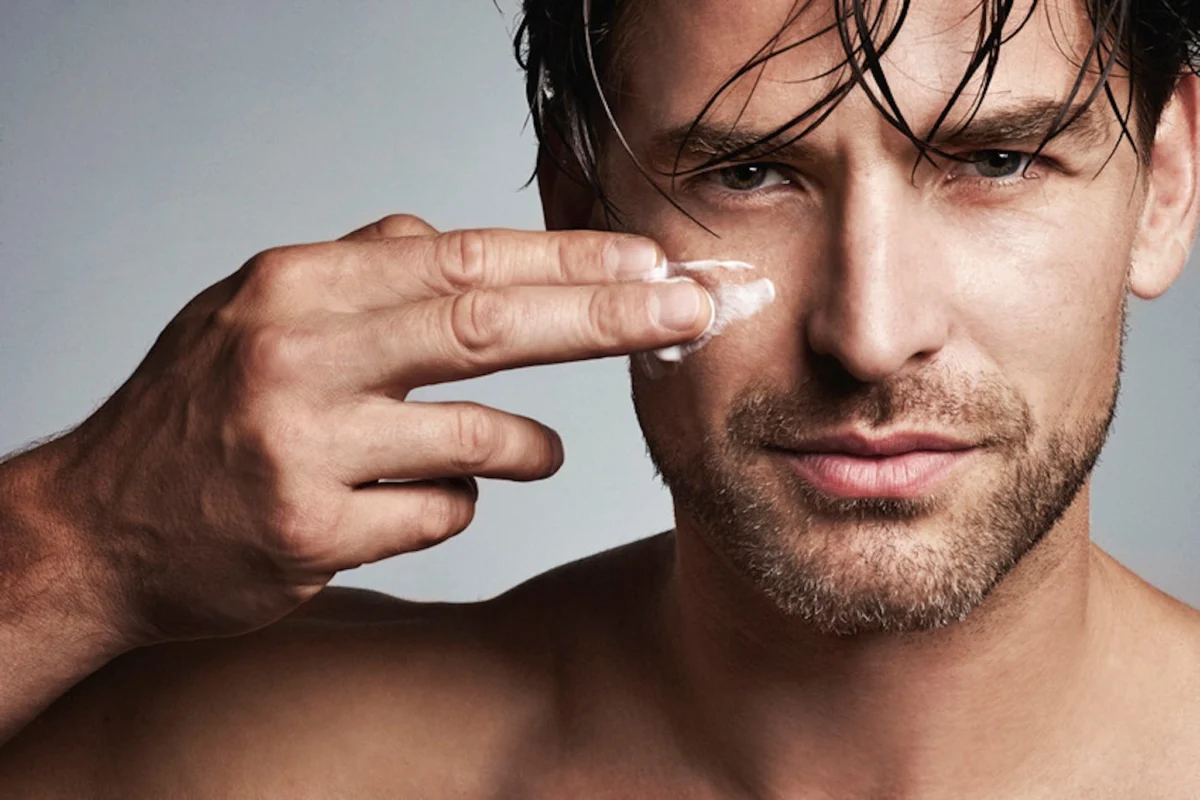
"Modern skincare has evolved from simple hydration into a high-tech biological intervention, utilizing neuroactive ingredients and cellular energy boosters to address the complex relationship between mental stress and dermal health."
The landscape of men’s grooming has undergone a radical transformation over the last decade, moving away from utilitarian bars of soap toward sophisticated, multi-functional formulas. As we enter 2026, the traditional face cream has been reimagined as a high-performance tool that mirrors the rapid advancement of consumer technology, such as smartphones and autonomous vehicles. Today’s moisturizers do not merely sit on the surface of the skin; they interact with cellular pathways, modulate the skin’s response to environmental stressors, and even attempt to influence the user’s emotional well-being through neurocosmetic innovation.

The New Standard of Dermal Performance
For more than 15 years, the standard for a "good" moisturizer was relatively low: it needed to hydrate without being overly greasy. However, the current generation of products, dubbed the "Class of 2026," represents a significant leap in dermatological science. According to Dr. Ted Lain, Chief Medical Officer at Sanova Dermatology, the fundamental role of a moisturizer is to act as a sealant. By locking in existing water within the skin, these products prevent trans-epidermal water loss (TEWL). But the modern man demands more than a simple barrier. Today’s formulas are engineered to tackle oiliness, deep-set wrinkles, and the visible effects of chronic fatigue, all while providing a sensory experience that was non-existent in the heavy, medicinal creams of the past.
The Science of the Ingredients
To understand why 2026 is a landmark year for skincare, one must look at the specific compounds now found in premium formulations. These are no longer just "moisturizers"; they are delivery systems for advanced biochemistry.
Emollients: The Barrier Builders
While humectants (like hyaluronic acid) pull moisture into the skin and occlusives (like petrolatum) seal it in, emollients serve as the "architects" of the skin’s surface. Dr. Lain explains that emollients are essential for repairing the microscopic cracks in the skin’s barrier. By filling these gaps with lipids and oils, emollients create a smooth, soft texture and ensure that the skin remains resilient against environmental irritants. The latest iterations of these ingredients, such as spherical emollients, allow for an effortless glide that provides relief for sensitive conditions like eczema and rosacea without the traditional "heavy" feel.

Peptides: The Cellular Communicators
Peptides are short chains of amino acids that serve as the building blocks of proteins like collagen and elastin. Dr. Corey Hartman, a dermatology advisor, notes that peptides function as signaling molecules. They "tell" the skin cells to perform specific functions, such as producing more collagen or repairing damaged tissue. While research into topical peptides is still an emerging field, the science suggests a promising future for their use in scar repair and long-term anti-aging strategies. By mimicking the natural signals the body uses to heal itself, peptide-infused moisturizers help maintain skin density and elasticity.
Adenosine: The Energy Booster
Originally known in the medical world for its role in treating irregular heart rhythms, adenosine has found a second life in dermatology. It is a key player in the production of Adenosine Triphosphate (ATP), the primary energy currency of the cell. In skincare, adenosine is utilized to "recharge" skin cells, promoting smoother skin and reducing the appearance of fine lines. Preliminary research indicates that by supporting cellular energy, adenosine can effectively counteract the visible signs of chronological aging.
Neuroactive Ingredients: The Brain-Skin Connection
Perhaps the most "futuristic" development in the Class of 2026 is the rise of neurocosmetics. The skin and the brain are deeply interconnected; the skin is the body’s largest sensory organ, and it sends constant signals to the nervous system. Neuroactive ingredients are designed to interact with these sensory pathways to limit negative signals—such as those caused by cortisol and stress—which can lead to inflammation and dullness. By targeting the "stressed" look of the skin at a neurological level, these products aim to enhance both the complexion and the user’s emotional state.

Leading Innovations for 2026
The market now offers specialized solutions tailored to specific skin types and lifestyle needs. Four products stand out as the vanguard of this new era:
1. Kiehl’s Since 1851 Ultra Facial Meltdown Recovery Cream
Designed for those requiring deep hydration, this formula utilizes advanced spherical emollients. It is particularly effective for men dealing with harsh environmental conditions or chronic dryness. Beyond standard moisturization, it is formulated to soothe inflammatory skin conditions like psoriasis and rosacea, offering a therapeutic level of care in a consumer-grade product.
2. Caldera + Lab The Hydro Layer Anti-Aging Lightweight Moisturizer
This product represents the peak of anti-aging technology, incorporating exosomes and peptide growth factors. Exosomes are tiny vesicles that facilitate communication between cells, making them incredibly efficient at delivering regenerative signals. This weightless cream is specifically calibrated to target enlarged pores and the dullness that often accompanies aging, providing a high-tech solution for the modern professional.

3. Sisley Paris Sisleÿum Anti-Aging Mattifying Gel-Crème
For men with oily or combination skin, Sisley Paris has developed a "transformer" texture. The product dispenses as a cream but turns into a matte gel upon contact with the skin. Infused with adenosine, B vitamins, and a potent blend of antioxidants, it manages sebum production while simultaneously providing the cellular energy needed to fight wrinkles.
4. Neuraé Sérénité The Balm
This is a flagship product in the neurocosmetic space. It features proprietary neuroactive ingredients that work to block the "stress signals" sent from the brain to the skin. Aimed at the "tired guy" who balances a high-stress career with a busy personal life, it uses a lavender-sage scent to provide a calming sensory experience while it works to de-stress the facial muscles and skin barrier.
The Rise of Psychodermatology
As the technology within the bottles advances, so too does the medical approach to skin health. The next frontier is not just a better cream, but a better understanding of the mind-skin axis. This has led to the rise of "psychodermatology," a field that bridges the gap between mental health and skin conditions.

Dr. Mohammad Jafferany, a professor of psychodermatology at Central Michigan University College of Medicine, explains that this holistic approach explores how stress, anxiety, and depression manifest physically on the face. Research has consistently shown that psychological distress can impair the skin’s barrier function, leading to breakouts, premature aging, and slow healing.
Psychodermatologists use screening tools for mental health to help patients understand why their skin might be "reacting" to their lifestyle. By treating the emotional root cause alongside the physical symptoms, these experts offer a more sustainable path to skin health. This integrated approach suggests that the future of grooming is not just about what we apply to our faces, but how we manage our internal well-being.
Conclusion
The "Class of 2026" marks a turning point where skincare has officially entered the realm of bio-technology. With the integration of peptides, adenosine, and neuroactive compounds, the modern moisturizer has become a sophisticated tool for maintaining both physical appearance and biological resilience. As we move forward, the distinction between "beauty products" and "health products" will continue to blur, driven by a deeper understanding of the complex relationship between our cells, our environment, and our minds. For the modern man, this means that looking good is no longer just about vanity—it is about the precise application of science to ensure long-term vitality.
