
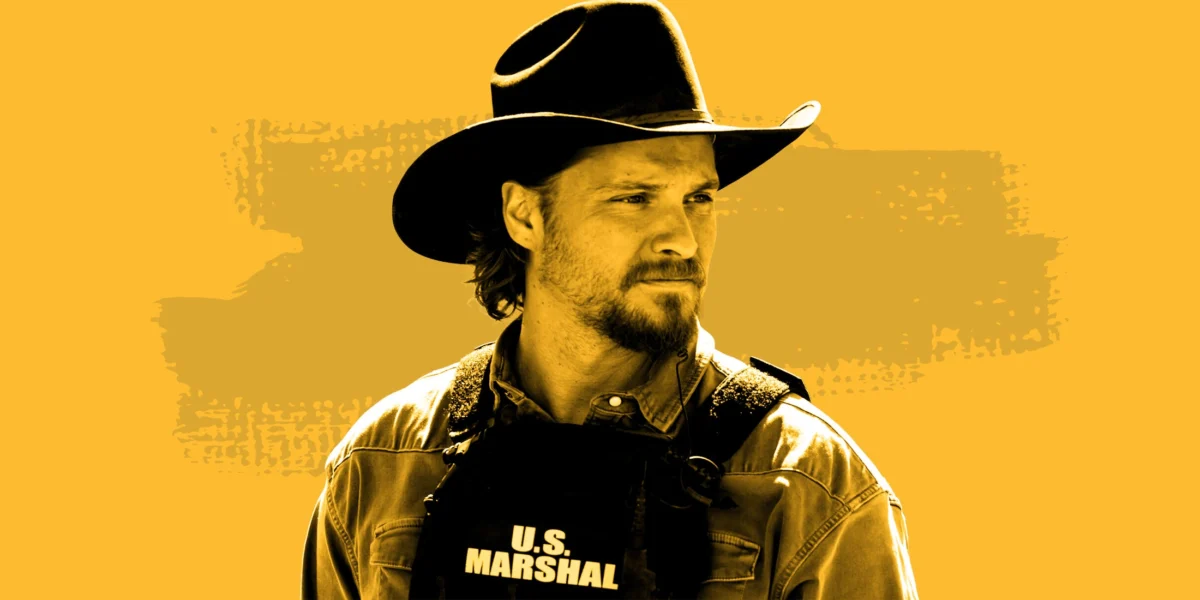
"As the Yellowstone saga transitions from the ranch to the badge, Marshals offers a gritty, character-driven exploration of Kayce Dutton’s redemption through the lens of federal law enforcement, marking a tactical shift for the neo-Western genre."
The debut of Marshals represents a pivotal moment in the expansion of the Taylor Sheridan-created universe, moving beyond the centralized drama of the Yellowstone Ranch to explore the broader sociological and legal frontiers of the American West. By centering the narrative on Kayce Dutton, the series bridges the gap between the internal family politics of the original series and the external pressures of justice and order, all while introducing a new creative direction under showrunner Spencer Hudnut. This transition not only preserves the "Dutton Dynasty" but also evolves it, offering a more procedural and action-oriented perspective on the challenges facing modern Montana and its surrounding territories.
The conclusion of Yellowstone left a significant vacuum in the landscape of prestige television. For five seasons, the series captivated audiences with its blend of Shakespearean family dynamics and the rugged aesthetics of the neo-Western. However, the departure of Kevin Costner and the subsequent finale of the flagship series necessitated a new direction. Enter Marshals, a sequel series set approximately one year after the events of the Yellowstone finale. This new chapter focuses on Kayce Dutton, played by Luke Grimes, who has long been regarded as the moral, albeit volatile, compass of the Dutton family.
Kayce’s journey has always been defined by a struggle between his identity as a warrior and his desire for a peaceful domestic life. A former Navy SEAL with a history of trauma and a penchant for lethal efficiency, Kayce was often the "enforcer" for his father, John Dutton. In Marshals, the narrative finds him untethered from the immediate responsibilities of the ranch. The series introduces a significant shift in his personal life: he is no longer accompanied by his wife, Monica, or their son, Tate. This absence creates a profound sense of mystery and emotional stakes, as viewers are left to wonder whether the couple has separated or if a more tragic event occurred during the off-screen year. This isolation forces Kayce to lean back into his military roots, leading him to join a team of deputy U.S. Marshals.

The catalyst for this new career path is the arrival of Kayce’s former SEAL team leader, portrayed by Logan Marshall-Green. This recruitment brings a "tactical Western" feel to the show, blending the tracking skills of a woodsman with the high-stakes precision of special operations. The premiere episode, "Piya Wiconi," immediately establishes this tone as Kayce aids a marshal unit in hunting down a bomber targeting the Broken Rock Reservation. This plotline serves a dual purpose: it maintains the series’ connection to the indigenous struggles of the region while showcasing Kayce’s evolution into a primary protagonist who operates within the framework of the law—or at least a version of it.
Behind the scenes, the creative DNA of the show has undergone a notable transformation. While Taylor Sheridan remains a foundational producer, the day-to-day creative engine is now helmed by Spencer Hudnut. Best known for his work on the CBS series SEAL Team, Hudnut brings a level of procedural expertise and military authenticity that distinguishes Marshals from its predecessor. Where Yellowstone often leaned into the melodrama of land ownership and political maneuvering, Marshals appears more focused on the immediate, visceral reality of law enforcement in the wilderness. This change in leadership allows the universe to expand its stylistic range, appealing to fans of action-heavy procedurals while retaining the core audience that follows the Dutton family.
The broader "Yellowstone" universe is also expanding concurrently with Marshals. Fans of the franchise are aware that the story of Beth Dutton and Rip Wheeler will continue in a separate series titled Dutton Ranch, expected later this year. By splitting the cast into different shows, the producers are creating a multi-front narrative that can explore different themes simultaneously. While Dutton Ranch will likely focus on the preservation of the family legacy and the harsh realities of agricultural life, Marshals explores the concept of the "Frontier Justice" in the 21st century.
The primary conflict in the first season of Marshals involves an armed anti-government militia, a storyline that feels particularly resonant in the current cultural climate of the American West. This antagonist provides a formidable challenge for Kayce and his team, as these groups often operate in the "Zone of Death"—remote areas where legal jurisdiction is murky and the terrain is unforgiving. This allows the show to lean into the "Clint Eastwood" archetype mentioned by critics, positioning Kayce as the stoic, hat-wearing hero who must navigate a world where the lines between right and wrong are frequently blurred by violence.
The structure of the first season consists of 13 episodes, providing ample space for character development and a slow-burn investigation into the militia’s activities. The series airs on CBS and streams on Paramount+, following a hybrid release model that has become standard for high-profile network sequels. As the season progresses, the narrative is expected to delve deeper into Kayce’s psychological state. Without the grounding influence of the ranch or his immediate family, Kayce is a man at risk of losing himself to the violence he is tasked with stopping. This internal struggle has always been the most compelling aspect of Luke Grimes’ performance, and Marshals places it front and center.

For viewers looking to keep track of the Dutton family’s next moves, the release schedule for the remainder of the season is critical. Following the high-stakes events of the first seven episodes, which included the hunt for the reservation bomber and the introduction of the militia threat, the series is moving into its final act.
Season 1 Release Schedule:
The series follows a Sunday night release pattern, with episodes debuting on CBS and Paramount+ Premium simultaneously at 8:00 PM EST/PST.
- Episode 1, "Piya Wiconi": Premiered March 2. Established the new status quo for Kayce and his recruitment into the U.S. Marshals.
- Episode 2, "Zone of Death": Premiered March 9. Explored the jurisdictional challenges of the Montana wilderness.
- Episode 3, "Road to Nowhere": Premiered March 16. Focused on the tactical pursuit of a high-value target.
- Episode 4, "The Gathering Storm": Premiered March 23. Introduced the broader scope of the militia’s plans.
- Episode 5, "Lost Girls": Premiered March 30. A standalone-style investigation that highlighted the plight of missing and murdered indigenous women.
- Episode 6, "Out of the Shadows": Premiered April 6. Revealed a traitor within the local law enforcement structure.
- Episode 7, "Family Business": Premiered April 13. Dealt with the lingering fallout of the Dutton name in federal circles.
- Episode 8, "Blowback": Airing April 19. Expected to deal with the immediate consequences of the militia’s first major strike.
- Episode 9: Airing April 26.
- Episode 10: Airing May 3.
- Episode 11: Airing May 10.
- Episode 12: Airing May 17.
- Episode 13 (Season Finale): Airing May 24.
As Marshals moves toward its season finale, the implications for the future of the franchise are clear. The show is a litmus test for whether the Yellowstone brand can thrive without its central patriarch and its central location. By focusing on the "toughest" Dutton and placing him in a high-octane, procedural environment, the series suggests that the spirit of the Western is not tied to a single ranch, but to the characters who inhabit its rugged landscapes. Whether Kayce Dutton can find peace as a lawman remains to be seen, but for now, his journey as a U.S. Marshal is providing a fresh and necessary perspective on a modern American mythos.
