
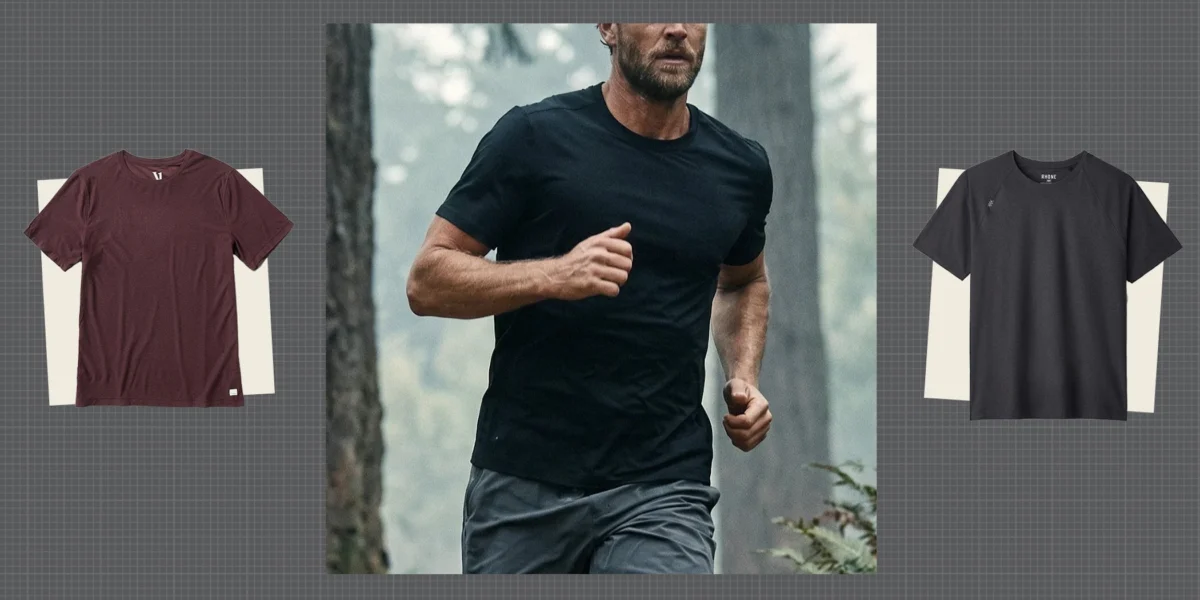
"The modern workout shirt has transcended its humble origins as a basic gym staple, evolving into a highly engineered piece of equipment that balances moisture management, odor control, and aesthetic versatility."
As fitness culture shifts toward a more holistic, all-day lifestyle, the apparel industry has responded by developing "performance-to-street" gear that works as hard as the athlete wearing it. No longer satisfied with heavy, sweat-soaked cotton, today’s runners and lifters demand fabrics that regulate temperature, prevent skin irritation, and maintain their shape through hundreds of wash cycles. This evolution is driven by sophisticated textile blends—utilizing polyester, elastane, and lyocell—that offer specific mechanical advantages, from four-way stretch to silver-ion odor suppression.

The Foundation of Performance: The Ten Thousand Interval Shirt
For many athletes, the search for the perfect shirt begins and ends with versatility. The Ten Thousand Interval Shirt represents the "flagship" approach to athletic wear, designed specifically to minimize the mental friction that comes with ill-fitting gear. When an athlete is five miles into a run or halfway through a high-volume leg day, the last thing they should be conscious of is the weight or texture of their clothing.
The Interval Shirt utilizes a blend of 84% polyester and 16% elastane, a ratio that prioritizes durability and structure without sacrificing the elasticity required for dynamic movements. A standout feature of this garment is the implementation of flatlock seams. Unlike traditional overlock seams, which can create a raised ridge of fabric that rubs against the skin, flatlock seams lay flush. This is critical for preventing "runner’s chafe," particularly in high-friction zones like the armpits and chest. Furthermore, the inclusion of an odor-control treatment allows for multiple uses between washes, a sustainable and practical benefit for the frequent trainee.
The Science of Softness: Vuori Strato Tech Tee
While durability is a cornerstone of performance gear, the "hand-feel" of a fabric often dictates whether a shirt remains in a runner’s weekly rotation. The Vuori Strato Tech Tee has gained a reputation among fitness editors for being perhaps the softest performance shirt on the market. Composed of 96% polyester and 4% elastane, it leans heavily into a lightweight, "second-skin" sensation.

However, softness in technical apparel often comes with a trade-off in moisture saturation. Because the fabric is so fine and lightweight, it can become "clingy" when fully saturated during long-duration endurance efforts in humid conditions. Despite this, the Strato Tech Tee remains a favorite for its versatility. Its aesthetic is refined enough for casual social settings, yet its technical properties—moisture-wicking and quick-drying—make it a formidable choice for hot-weather trail runs. The ability to easily remove and tie the shirt around a running belt without adding bulk is a testament to its ultralight construction.
Democratizing Quality: The Quince Flowknit Breeze Tee
The high-end performance market is often criticized for its steep entry prices, with many premium shirts exceeding the $70 mark. Quince has sought to disrupt this landscape with the Flowknit Breeze Tee, a garment that emphasizes the "essentials" of performance without the luxury markup. By utilizing a blend of 88% recycled polyester and 12% spandex, Quince provides a sustainable option that mirrors the technical capabilities of its more expensive competitors.
The Flowknit Breeze offers four-way stretch and a polished, "modern athletic" fit. While it may lack some of the ultra-technical ventilation features found in specialized racing singlets, it excels in the "daily driver" category. It provides UPF 40+ protection, making it a safe choice for midday runs where sun exposure is a concern. For the athlete who balances gym sessions with coffee runs and errands, the Breeze Tee offers a clean silhouette that belies its budget-friendly price point.

The Specialist: REI Co-op Swiftland Running T-Shirt
While many shirts "moonlight" as running gear, the REI Swiftland is built with a singular focus on the trail. This 100% polyester garment is a masterclass in utility. Trail running introduces variables that road running often avoids: varying elevations, fluctuating temperatures, and the need for high-visibility safety in remote areas.
The Swiftland addresses these needs through its "SwiftTex" fabric, which is engineered to move sweat away from the skin at an accelerated rate. The inclusion of raglan sleeves is a deliberate design choice; by extending the sleeve to the collar, the designers have removed the traditional shoulder seam. This is vital for runners who wear hydration vests or backpacks, as it eliminates the pressure point where a strap would typically grind a seam into the skin. Additionally, reflective patches on the back provide a necessary safety element for those who start their treks before dawn or finish after sunset.
Engineering Excellence: The Rhone Reign Tee
Rhone has long been a fixture in fitness awards, and the Reign Tee is the embodiment of their "no-compromise" philosophy. This shirt is designed for the athlete who views their gear as an investment. It features a complex blend of nylon, polyester, and elastane, resulting in a fabric that is both exceptionally tough and highly breathable.

The Reign Tee is particularly notable for its UPF 50+ rating, the highest level of sun protection available in apparel. This makes it an essential piece for outdoor athletes training in high-altitude or coastal environments. Beyond sun protection, Rhone utilizes "straddle stitching" to reinforce the seams. This technique not only adds to the garment’s longevity but also provides a "cleaner" visual finish. Side vents at the hem allow for a greater range of motion through the hips during sprints or deep squats, proving that even the smallest design details can impact athletic performance.
Material Innovation: Pacterra Draper Performance Tee
Pacterra Athletics, though a smaller player in the market, has made significant waves with the Draper Performance Tee. This shirt deviates from the standard polyester-heavy formula by incorporating 29% lyocell, a semi-synthetic fiber made from wood pulp. Lyocell is celebrated for its natural breathability and moisture-wicking properties, and when blended with polyester and elastane, it creates a fabric that feels substantial yet remains cool.
The Draper Tee is heavier than a traditional racing shirt, providing a structured drape that many athletes prefer for its aesthetic appeal. However, it does not sacrifice performance. It features "COOLCORE" technology, a chemical-free cooling solution that uses the fabric’s construction to manage moisture and regulate temperature. With UPF 50+ protection and a fit that bridges the gap between a compression shirt and a standard tee, the Draper is a multi-seasonal tool that performs as well in the weight room as it does on an eight-mile tempo run.

Conclusion: Selecting the Right Tool for the Task
The diversity of the current performance shirt market allows athletes to select gear based on their specific environmental and physiological needs. Those prioritizing sun safety and durability may gravitate toward the Rhone Reign or Pacterra Draper, while those seeking maximum value without sacrificing a professional look will find the Quince Flowknit Breeze indispensable.
Ultimately, the "best" shirt is the one that disappears during the workout. Whether it is through the seamless construction of the Ten Thousand Interval or the featherweight feel of the REI Swiftland, the goal of modern athletic apparel is to remove the barriers between the athlete and their performance. As fabric technology continues to advance, the line between casual clothing and technical equipment will only continue to blur, resulting in gear that is more comfortable, more durable, and more capable than ever before.
