
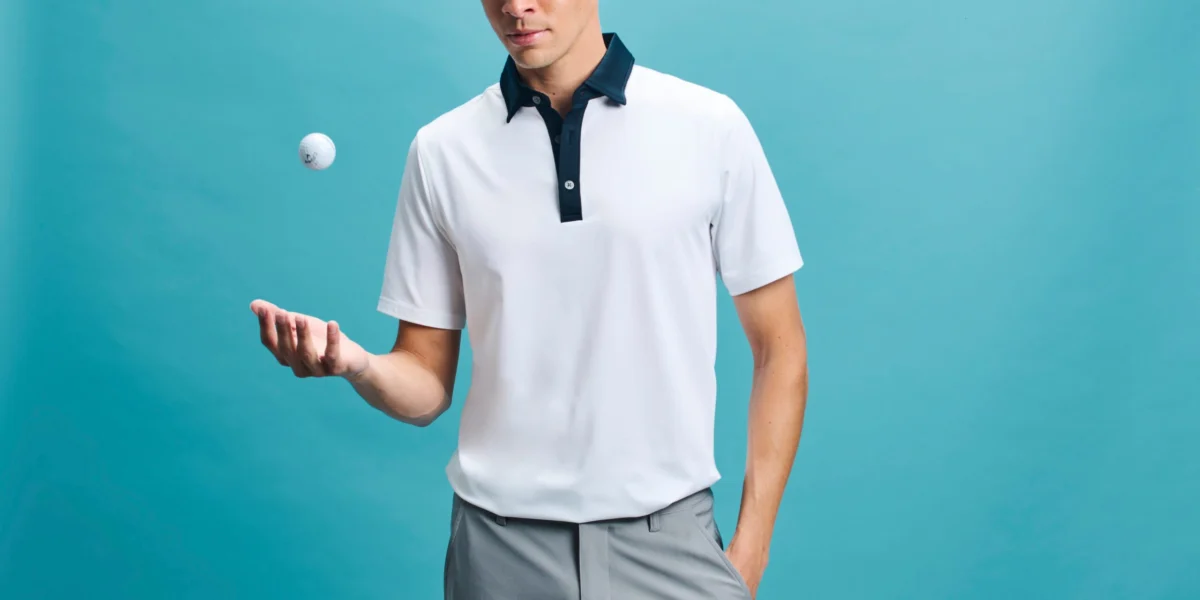
“The contemporary golf polo has evolved from a simple cotton staple into a sophisticated piece of technical equipment, blending high-stretch fabrics and moisture-wicking technology with a tailored aesthetic that transitions seamlessly from the links to the boardroom.”

The intersection of tradition and technology has redefined the modern golfer’s wardrobe, moving away from the heavy, sweat-absorbent cotton pique of previous decades toward high-performance synthetics and refined blends. Golf is a sport defined by endurance, precision, and a strict adherence to dress codes, making the polo shirt the most critical component of a player’s kit. Today’s market offers a diverse spectrum of options, from budget-friendly essentials to luxury garments that utilize advanced textile engineering to manage body temperature, provide ultraviolet protection, and ensure an unhindered range of motion throughout the swing.

The Evolution of Performance Fabrics
The primary driver of the revolution in golf apparel is the shift in material composition. While cotton was once the standard, the modern "performance" polo relies heavily on polyester-elastane blends. Polyester provides the structural integrity and moisture-wicking capabilities necessary to pull sweat away from the skin, while elastane (or spandex) offers the "four-way stretch" required for a dynamic golf swing.

Leading this charge is TravisMathew, whose "Heater Golf Polo" has become a benchmark for the industry. By utilizing a blend of 70% recycled polyester, 23% cotton, and 7% spandex, the brand achieves a "heathered" look that mimics traditional fabric while providing the technical benefits of an athletic garment. Crucially, the inclusion of built-in collar stays addresses a common grievance among golfers: the "wilting" collar. This attention to detail ensures that the garment maintains a sharp, professional silhouette even after multiple rounds and wash cycles, making it as viable for a post-round dinner as it is for the first tee.

The Rise of Athleisure and Crossover Style
As the lines between work, travel, and sport continue to blur, brands like Vuori and Lululemon have capitalized on the "athleisure" movement. The Vuori Ace Polo, for instance, is engineered for extreme lightness, catering to the golfer who prioritizes comfort during warm-weather vacations. Its modern tailored fit and UPF 30+ protection make it a versatile travel companion. Similarly, Lululemon’s ShowZero Polo addresses the aesthetic anxiety of sweat marks. By utilizing "ZeroShow" technology and a minimal-seam construction, the shirt allows the wearer to focus on their game rather than their appearance, regardless of the humidity.

The crossover appeal extends to specialized brands like Rhone. Their Drive Time Polo incorporates "Goldfusion" anti-odor technology and "Glacier" cooling tech. These features are not merely marketing jargon; they represent a significant investment in textile chemistry designed to neutralize the bacterial growth that causes odors in synthetic fabrics. For the golfer who "runs hot," such innovations are transformative, allowing for a full day of activity without the degradation of the garment’s freshness.

The Professional Standard: From the GOAT to the Tour
No discussion of golf apparel is complete without acknowledging the influence of Tiger Woods. His brand, Sun Day Red, represents a culmination of decades of on-course experience. The Core Polo is a testament to functional design, featuring body-mapped gussets that provide a full range of motion. While the garment is optimized for performance, its longer cut is specifically designed to stay tucked in—a requirement at most private clubs—though this may be a drawback for those seeking a more casual, untucked look.

Nike, a long-term partner of Woods and a titan in the industry, continues to push boundaries with its Dri-FIT technology. The Velocity Dri-FIT polo, particularly in its band collar iteration, reflects a move toward more progressive, "streetwear-inspired" golf fashion. Despite the bold styling, the performance remains grounded in UVA and UVB protection and superior ventilation, proving that fashion-forward designs do not have to sacrifice utility.

Similarly, Adidas has solidified its position as a reliable "off-the-rack" choice for golfers globally. The Ultimate365 Solid Polo is ubiquitous in sporting goods stores for a reason: its 88% polyester and 12% elastane composition offers a balanced weight that is durable yet breathable. While some lighter colors may be slightly translucent due to the thinness of the fabric, this characteristic is an intentional choice to maximize airflow during peak summer months.

Luxury, Craftsmanship, and the Boutique Movement
For the discerning golfer, the "luxury" segment of the market offers a blend of traditional tailoring and modern performance. Peter Millar’s Solid Performance Jersey Polo is a prime example. While the brand is often associated with a more conservative, "country club" aesthetic, the technical specs—UPF 50+, four-way stretch, and antimicrobial properties—rival any pure athletic brand. The "Sean Self-Collar" provides a dressy finish that makes it one of the few performance polos that truly pairs well with a tailored blazer.

In the boutique space, Greyson Clothiers has emerged as a powerhouse. Founded by former Ralph Lauren design executive Charlie Schaefer, Greyson blends high-fashion sensibilities with the needs of professional athletes. Their Wolf Icon Polo utilizes a sophisticated mix of nylon, Pima cotton, and spandex. This combination provides a unique hand-feel—the softness of cotton with the resilience of nylon—resulting in a garment that feels significantly more "premium" than a standard 100% polyester shirt. However, this luxury comes with a maintenance caveat: the high cotton content makes the garment susceptible to shrinking if not laundered with care.

At the more avant-garde end of the spectrum is Malbon. Founded in 2017, Malbon has challenged the stodgy image of golf by introducing progressive designs and textured fabrics. Their Performance Mesh Paneled Polo uses strategic ventilation under the arms to boost breathability. By focusing on the "culture" of golf as much as the sport itself, Malbon has attracted a younger demographic that views the golf course as an extension of their personal style.

Democratizing Performance: Value and Accessibility
The advancement of fabric technology has also led to a democratization of high-quality golf gear. Brands like Amazon Essentials and Quince are proving that performance does not always require a triple-digit price tag. The Amazon Essentials Slim-Fit Quick-Dry Polo, retailing at approximately $20, offers a basic but effective solution for beginners or those who view golf apparel as purely utilitarian.

Quince has taken this a step further with its Flowknit Breeze Performance Polo. By utilizing a direct-to-consumer model, Quince offers a garment with 40 UPF protection and four-way stretch for under $40. Their "Flowknit" material is specifically designed for high-heat environments, such as the triple-digit temperatures of the American South. The longer hem ensures the shirt remains tucked in during the torque of a swing, addressing a common fit issue found in other budget-friendly options.
Conclusion: Choosing the Right Kit
Selecting the ideal golf polo requires an assessment of one’s specific needs: climate, club dress code, and personal style. The "perfect" shirt is one that the golfer forgets they are wearing. Whether it is the sustainable recycled polyester of TravisMathew, the odor-neutralizing tech of Rhone, or the tailored luxury of Greyson, the modern market ensures that no player has to choose between looking professional and playing at their peak. As fabric technology continues to advance, the golf polo will remain the ultimate symbol of the sport’s unique balance between rigorous tradition and athletic innovation.
