
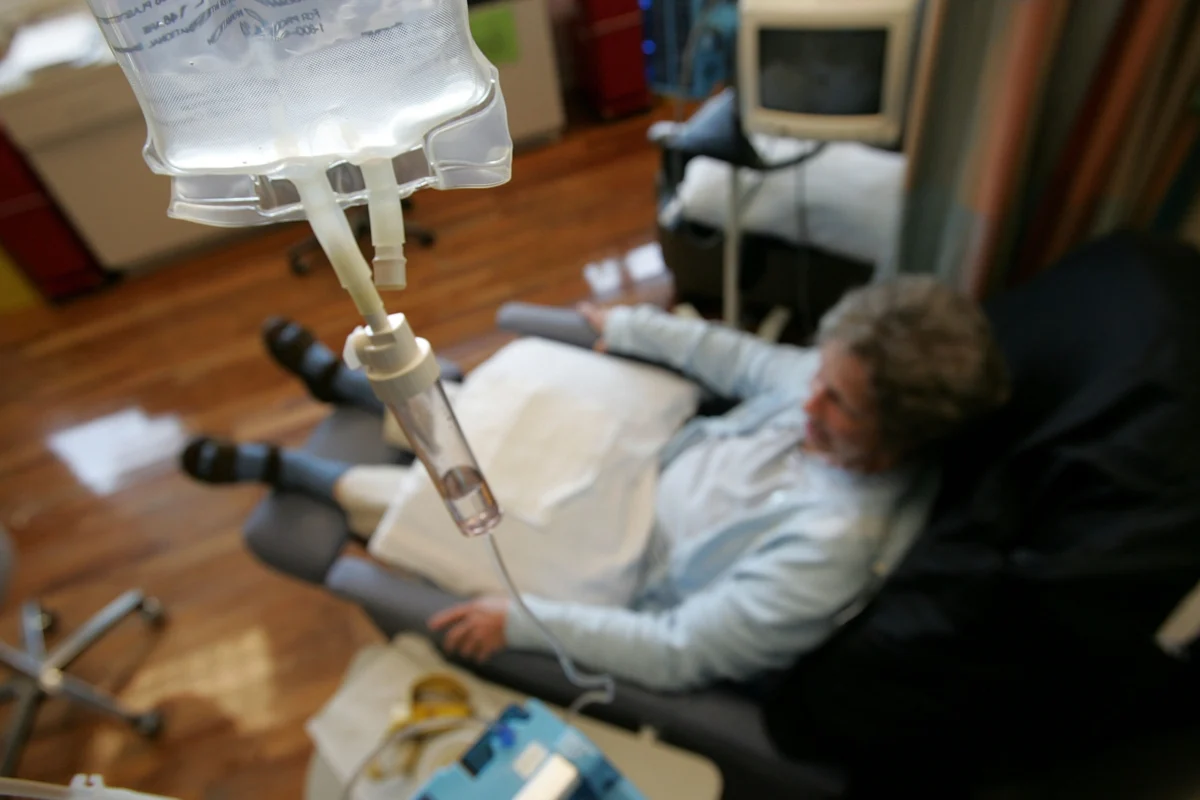
"The established practice of approving and prescribing cancer drugs at the maximum tolerated dose, rather than the lowest effective dose, may be inadvertently prioritizing toxicity over genuine patient benefit, leading to significant financial waste and preventable harm."
A critical examination of current oncology practices is revealing a contentious debate: are many cancer drugs being administered at unnecessarily high doses? This question, explored in a recent investigation by KFF Health News and amplified by CNN, suggests that the standard approach of determining drug dosages – often based on maximum tolerated levels – might be leading to increased side effects without a corresponding enhancement in therapeutic outcomes. This has profound implications for patient well-being, the sustainability of healthcare systems, and the very definition of effective cancer treatment. The core of the argument posits that a shift towards optimizing dosages based on efficacy and tolerability, rather than simply maximum tolerance, could unlock substantial savings and, more importantly, improve the quality of life for patients undergoing treatment.
The growing chorus of oncologists, researchers, and patients raising these concerns is not a theoretical exercise but is rooted in lived experiences and evolving scientific understanding. Chuck Manski, an economist at Northwestern University, became a reluctant participant in this discussion after receiving nivolumab infusions for advanced melanoma. His experience, detailed in the KFF Health News report, highlights the tangible consequences of potentially supra-therapeutic dosing. Manski recounted how the prescribed regimen, intended to last a full year, severely impacted his thyroid gland, necessitating lifelong medication, and caused debilitating dry eye and mouth conditions. He ultimately discontinued treatment after six months, having concluded from his own research that the drug had likely achieved its maximum benefit for him, with further infusions contributing primarily to toxicity.
The significance of Manski’s story transcends individual suffering; it illuminates a systemic issue. When questioned about the rationale for the one-year treatment duration, his oncologist could offer no clinical justification beyond adherence to the drug’s label. This reliance on established protocols, irrespective of individual patient response or emerging evidence, underscores a critical inflexibility within the current treatment paradigm. The label, often dictated by early-stage clinical trial data focused on maximum tolerated dose (MTD), may not reflect the optimal dose for every patient or for the long-term management of cancer.
The economic and clinical dimensions of this issue are inextricably linked, presenting a dual-pronged challenge. From a patient’s perspective, the immediate repercussions of high-dose therapy are physical. Permanent damage to organs like the thyroid, as experienced by Manski, necessitates lifelong medical management. Chronic and severe side effects, such as debilitating dryness affecting basic functions like eating, speaking, and sleeping, can significantly degrade a patient’s quality of life. In some instances, these toxicities become so severe that they force patients to discontinue treatments that might otherwise be effective, creating a paradoxical situation where the cure becomes as debilitating as the disease.
The widespread nature of treatment-related adverse events is starkly illustrated by a patient advocate survey involving over 1,200 individuals with metastatic breast cancer. The findings were sobering: 86 percent reported at least one significant treatment-related side effect. Of these, a substantial 20 percent required hospitalization or emergency room visits, and approximately 43 percent missed at least one scheduled treatment. Crucially, the survey also indicated that dose reductions often provided significant relief, suggesting that current dosing regimens may be exceeding patient tolerance without a commensurate increase in clinical benefit.
The financial implications are equally staggering. An analysis cited in the KFF Health News report estimated that if minimum necessary dosages were employed across 29 expensive cancer drugs in 2024, the U.S. healthcare system could potentially save around $31 billion. This figure is particularly striking when juxtaposed with the revenue generated by pharmaceutical giants; Merck, for example, reported nearly $32 billion in sales for its immunotherapy drug pembrolizumab last year. The economic incentives extend beyond drug manufacturers; hospitals and physician practices also stand to gain financially from the administration of higher drug volumes, creating a complex web of financial interests that may inadvertently perpetuate the status quo.
Within this intricate system, physicians are already attempting to navigate these challenges through clinical improvisation. A survey conducted by the American Society of Clinical Oncology (ASCO) revealed that more than half of the 367 medical oncologists surveyed reported reducing initial doses of cancer drugs to mitigate toxicity. Furthermore, approximately 65 percent agreed that initiating treatment at a lower dose is an acceptable strategy to minimize side effects, even if it entails a potential, albeit often minor, compromise in efficacy. The majority of these physicians also indicated that they discuss these trade-offs with their patients, signaling a growing awareness of the dose-toxicity-efficacy balance.
The historical roots of current dosing practices can be traced back to the era of cytotoxic chemotherapy. In those regimens, the relationship between drug effect and toxicity was often linear – higher doses generally led to greater efficacy but also increased toxicity. Consequently, early clinical trials were designed to identify the Maximum Tolerated Dose (MTD), a dose that could be administered without causing unacceptable harm. This "one-size-fits-all" approach, while pragmatic for chemotherapy, is increasingly being recognized as ill-suited for newer classes of cancer drugs, such as targeted therapies, immunotherapies, and antibody-drug conjugates.
These novel agents often exhibit a different dose-response curve. Their biologically effective dose can be significantly lower than the toxicity threshold, meaning that increasing the dose beyond a certain point primarily amplifies side effects without offering additional therapeutic advantage. The trial designs, however, have been slow to adapt. Friends of Cancer Research has highlighted that for many novel anticancer therapies, dose-finding practices have largely remained unchanged, with the MTD still being the primary endpoint identified through traditional escalation designs, such as the 3+3 method. Donald Harvey of Emory University School of Medicine, a prominent figure in FDA and ASCO workshops addressing this issue, has plainly stated that for many of today’s complex cancer therapies, "a higher dose often does not mean a better cancer outcome."
Evidence supporting lower dosing strategies, while not universally accepted or comprehensive, is emerging from various international settings. Oncologists in countries like Canada, Israel, and Sweden have reported successful outcomes using lower doses of nivolumab and pembrolizumab, shorter treatment durations, or extended dosing intervals compared to U.S. label recommendations. Physicians in India have even documented significant survival improvements with nivolumab administered at doses as low as one-sixth or one-twelfth of the labeled amount.
It is important to acknowledge the limitations of some of this evidence. The Indian studies, for instance, compared ultralow-dose immunotherapy with older chemotherapy regimens, not with standard-dose immunotherapy. Therefore, they cannot definitively prove that the lower dose performs as well as the labeled dose. Pharmaceutical companies like Bristol Myers Squibb and Merck have voiced concerns, suggesting that lower doses or shorter durations of nivolumab could potentially harm patients. They emphasize that dosing must be rigorously established through well-designed clinical trials and that unstudied alterations could compromise therapeutic efficacy.
A significant impediment to advancing dose optimization lies in the post-approval landscape. Once a drug receives regulatory approval, there are limited commercial incentives for pharmaceutical companies to conduct studies that would deliberately lower the established dose. The data that guided the initial approval, often derived from small, early-phase studies focused on MTD, can therefore dictate clinical practice for years, even when newer evidence suggests a different optimal dose.
Despite these systemic barriers, some crucial research initiatives are underway. Researchers at Utrecht University are conducting a trial comparing the standard nivolumab dose for lung cancer against a dose reduced by up to 50 percent. A group led by Dana-Farber is investigating whether patients who respond well to 27 weeks of pembrolizumab can safely discontinue treatment thereafter, rather than continuing for longer durations. At three Veterans Affairs hospitals, implementing less frequent dosing schedules for certain medications resulted in an estimated saving of approximately $1.5 million over two years. Recognizing the urgency of this issue, ASCO is spearheading an $11 million trial focused on lower starting doses for two widely utilized breast cancer drugs.
The U.S. Food and Drug Administration (FDA) has also begun to address this challenge proactively. Project Optimus, launched by the agency’s Oncology Center of Excellence in 2021, aims to encourage sponsors to select doses based on a comprehensive evaluation of efficacy, safety, and tolerability, rather than solely on maximum tolerance. In 2024, the FDA issued updated guidance on optimizing dosage for oncologic therapies. A spokesperson for the Department of Health and Human Services indicated that these principles are now integrated into the review process for new cancer drugs, citing recent lung cancer approvals where two dosing regimens were evaluated, and the lower, less toxic option was ultimately approved. However, the agency generally lacks the authority to compel drugmakers to conduct post-approval dose-ranging studies, and by law, the FDA does not influence drug pricing.
Physicians who opt to prescribe lower doses than indicated on a drug’s label navigate a complex regulatory and legal landscape. Deviating from the approved regimen can carry legal exposure. Kathy Miller, an oncology professor at Indiana University who routinely initiates metastatic breast cancer patients on doses below the labeled recommendation, notes that some patients, when informed of the lower dose, express concern. Her consistent response is a reassuring, "I don’t want to kill you," underscoring the inherent tension between adhering to established protocols and prioritizing patient safety and well-being.
For individual patients, this ongoing debate should not prompt immediate self-directed changes to their treatment plans. Dose modification is a complex clinical decision that must be individualized, taking into account the specific drug, the type and stage of cancer, prior treatment history, and the patient’s overall tolerance. Abruptly stopping or altering a prescribed cancer treatment without consulting an oncologist can jeopardize a patient’s response and negatively impact their prognosis.
Patients experiencing challenging side effects during cancer treatment are encouraged to engage in open dialogue with their oncologists. Key questions to raise include the evidence supporting the prescribed dose and duration, whether dose reductions have been studied for that particular drug, and if their current symptoms warrant such an adjustment. Bringing a detailed, written record of side effects, including their timing and severity, can facilitate a more productive and informative conversation.
Furthermore, for patients concerned about the financial burden of treatment, discussions about patient assistance programs, foundation copay support, and the availability of generic or biosimilar alternatives are crucial. A recent KFF survey revealed that a significant 43 percent of U.S. adults have skipped medications due to cost in the past year, highlighting the pervasive impact of financial constraints on healthcare access.
It is imperative for patients to recognize and report severe or rapidly worsening symptoms during cancer treatment, such as difficulty breathing, chest pain, high fever, confusion, or signs of a severe allergic reaction. These symptoms require immediate medical evaluation, rather than waiting for a scheduled appointment.
The broader systemic questions of whether regulators will retroactively apply dose optimization principles to already approved drugs, and whether payers will scrutinize their coverage of potentially excessive drug quantities, remain largely unsettled. For the present, the most impactful forum for addressing these critical issues is within the doctor’s office, fostering informed discussions between patients and their oncologists.
