
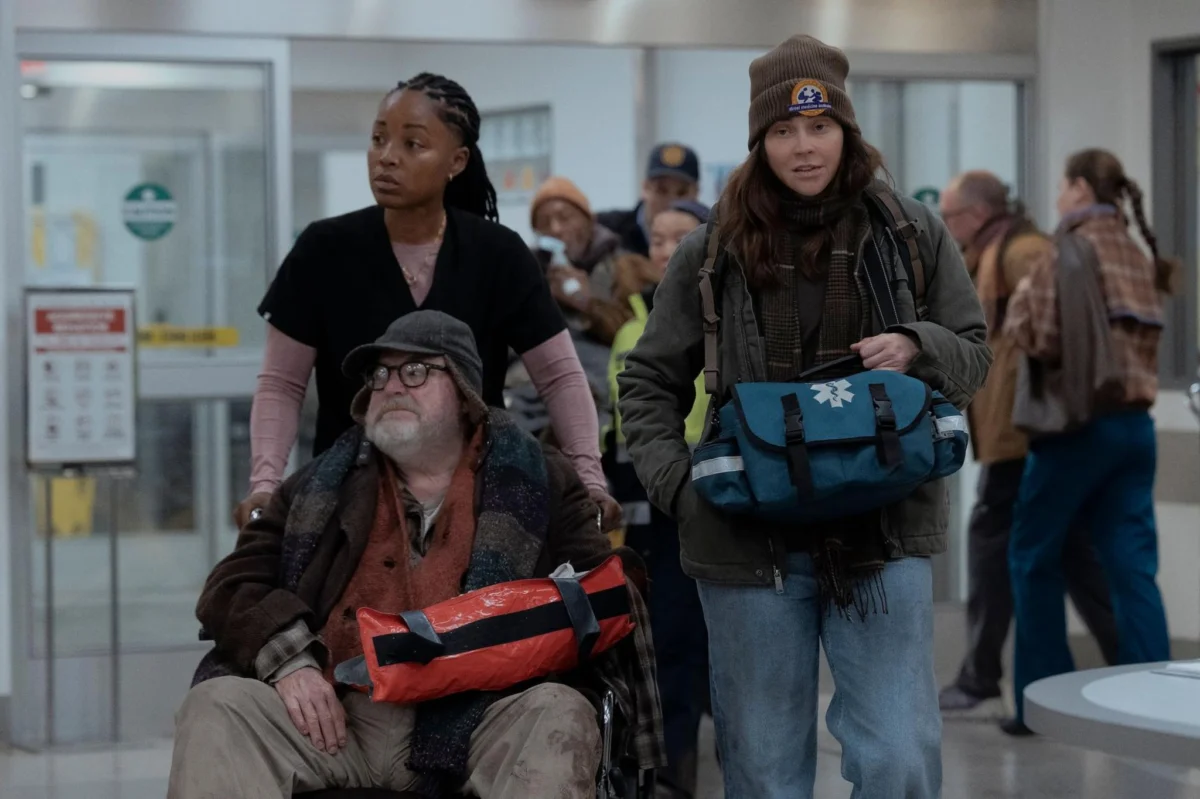
"For real-life emergency physicians, ‘The Pitt’ isn’t just entertainment; it’s a powerful validation of their daily struggles and triumphs, lauded as the most authentic depiction of emergency medicine to date, offering an unflinching look into the relentless world of trauma care."
In an era saturated with medical dramas, a new series titled "The Pitt" has emerged, distinguishing itself not merely through dramatic storytelling but by earning unprecedented acclaim from the very professionals it portrays: emergency doctors and nurses. Far from a typical Hollywood interpretation, this HBO MAX production has struck a profound chord within the medical community, resonating with the daily realities, ethical dilemmas, and intense emotional landscape of emergency departments. As "The Pitt" gears up for the Emmys with an impressive 25 nominations, its success marks a significant moment, highlighting a rare convergence of popular entertainment and professional endorsement that underscores its commitment to authenticity.

The familiar tableau of an overcrowded waiting room, trolleys lining corridors, and an omnipresent sense of urgency, typically associated with real-world healthcare facilities like the NHS, is meticulously recreated on the set of "The Pitt." However, this isn’t a documentary but a scripted series that has managed to capture the essence of emergency medicine with such fidelity that it has left real-life practitioners feeling profoundly "validated." Dr. Tony Cirillo, President of the American College of Emergency Physicians, articulates this sentiment, stating, "We finally feel validated for everything we go through every day." This endorsement from a leading professional body underscores the series’ profound impact, elevating it beyond mere entertainment to a poignant reflection of a demanding profession.
Set within the high-stakes environment of Pittsburgh’s Trauma Medical Centre, "The Pitt" unfolds with a unique narrative structure, dedicating each of its 15 episodes per series to an hour of a single day. This real-time pacing amplifies the show’s intensity, immersing viewers in the relentless, often chaotic, flow of an emergency department. A constant, palpable thread woven through every episode is the cacophony of alarms, the hurried footsteps, the urgent conversations, and the ceaseless demands on staff who rarely find a moment’s respite. Complex medical procedures and life-saving interventions are depicted with graphic and often visceral detail, eschewing sanitized portrayals for a more raw and honest representation of medical practice.
At the heart of the series is Dr. Michael "Robby" Robinavitch, portrayed by Noah Wyle. Wyle, no stranger to the medical drama genre, having famously starred in the mid-90s hit "ER," brings a wealth of experience and a deep understanding of the genre’s potential and pitfalls. As a hardened and highly experienced emergency medicine consultant (or senior emergency attending physician in US hospitals), Dr. Robby embodies the resilience and often weary determination of those on the front lines. Wyle’s involvement extends beyond acting; he serves as an executive producer and is an integral part of the writing team, which crucially includes qualified doctors. This direct input from medical professionals is arguably the cornerstone of the show’s celebrated realism, ensuring that medical protocols, jargon, and the emotional toll of the job are portrayed with an accuracy rarely seen on television.

The impact of this authenticity was strikingly evident when Noah Wyle was invited to participate in a platform discussion at a prestigious conference attended by over 6,000 emergency medicine experts. Dr. Cirillo recounts the overwhelming response: "People came up to him and, as opposed to actors and athletes where they say they are amazing or love their work, people just said thank you to him." This profound "thank you" was not for his acting prowess alone but for giving a voice and a face to the often-unseen struggles of medical professionals. "The Pitt is more than just a good TV show – the term I use is validation," Cirillo reiterates, highlighting the show’s success in making healthcare workers feel seen, understood, and respected for their tireless efforts.
Beyond the medical procedures, "The Pitt" bravely tackles the complex social and ethical issues that frequently intersect with emergency care. The series explores heart-wrenching scenarios such as a stressed daughter, overwhelmed by the burden of care, leaving her sick mother in the emergency department with no means of contact. It delves into the anguished conversations between doctors and parents desperately clinging to hope for a child deemed beyond saving, forcing difficult discussions about end-of-life care. Furthermore, the show unflinchingly highlights health inequalities, particularly relevant in the US health system, where patients often grapple with exorbitant payment requirements. The pervasive issues of long waiting times and escalating patient frustration, while rooted in the US context, resonate strongly with similar challenges faced by public health systems globally, including the NHS.
Indeed, the series has garnered a significant following among UK medics, who find its portrayal deeply relatable despite the geographical and systemic differences. Dr. Fiona Hunter, vice president of the Royal College of Emergency Medicine in Scotland, admits to watching the show, though carefully timing it "in between shifts, when I have got downtime." She emphasizes the need to "decompress and debrief what we have experienced" after a punishing shift, yet finds "The Pitt" "watchable, relatable. It makes me feel other people might get it." This sentiment is echoed by North Wales consultant Dr. Rob Perry, who finds it "reassuring when you see people portraying doctors and nurses in a similar job to your own and, though it’s not in the UK, they are doing their level best to give the best care they can." These testimonials underscore the universal appeal of the show’s authentic depiction of dedication and compassion under pressure.

While doctors acknowledge that each episode of "The Pitt" typically compresses several urgent trauma cases that might, in reality, unfold over 24 hours or more, this narrative compression serves to illustrate broader, systemic health challenges. Professor Damian Roland, a practicing emergency medicine consultant, points out how the drama sheds light on global healthcare issues. "Virtually every emergency department in the world at the moment has not enough space to see patients," he observes. "It’s a very common theme in The Pitt about the central character arguing with hospital management saying ‘I need more flow, you can’t just leave these patients here’ – that’s a very common problem." This highlights the show’s ability to transcend its fictional setting and comment on universal operational struggles within healthcare.
The commitment to authenticity extends to every layer of production, notably through the involvement of Sarah Tosh, a senior NHS nurse who serves as the series’ medical adviser. Her role is critical in ensuring that every medical detail, from procedure to bedside manner, rings true. Tosh highlights a key difference between "The Pitt" and other medical dramas: "In my work in the NHS, it’s very much we all work for one another and I like that we represent that on the show. In The Pitt they’ve got a bit about the characters’ day-to-day life, but it’s more about their medicine, which patient they are doing and what they are going on to next." This focus on the professional rather than purely personal drama further cements its credibility.
To prepare for their roles, the cast, including British actor Gerran Howell from South Wales, underwent an intensive "medical boot camp." This immersive training involved rapid learning of medical techniques and jargon, hands-on practice with dummies, and CPR drills. Howell, who is nominated for an outstanding supporting actor award at the Emmys, reflected on the experience in a BBC Wales interview: "I have such a newfound respect for the medical profession. It’s maybe made me realise that I don’t know how I would do this. I will stick to acting." His comments encapsulate the awe and profound respect the show instills for the demanding and often heroic work of medical professionals.

As the entertainment world awaits the Emmy announcements on 14 September in Los Angeles, "The Pitt" stands as a testament to the power of authentic storytelling. Its unprecedented resonance with the medical community, coupled with its critical acclaim, cements its place as a landmark series. By vividly portraying the relentless pace, ethical quandaries, and human spirit within emergency medicine, "The Pitt" not only entertains but also offers a vital, validating mirror to the dedicated individuals who navigate these challenging realities every single day. The series is currently available for streaming on HBO Max in both the UK and US.
