
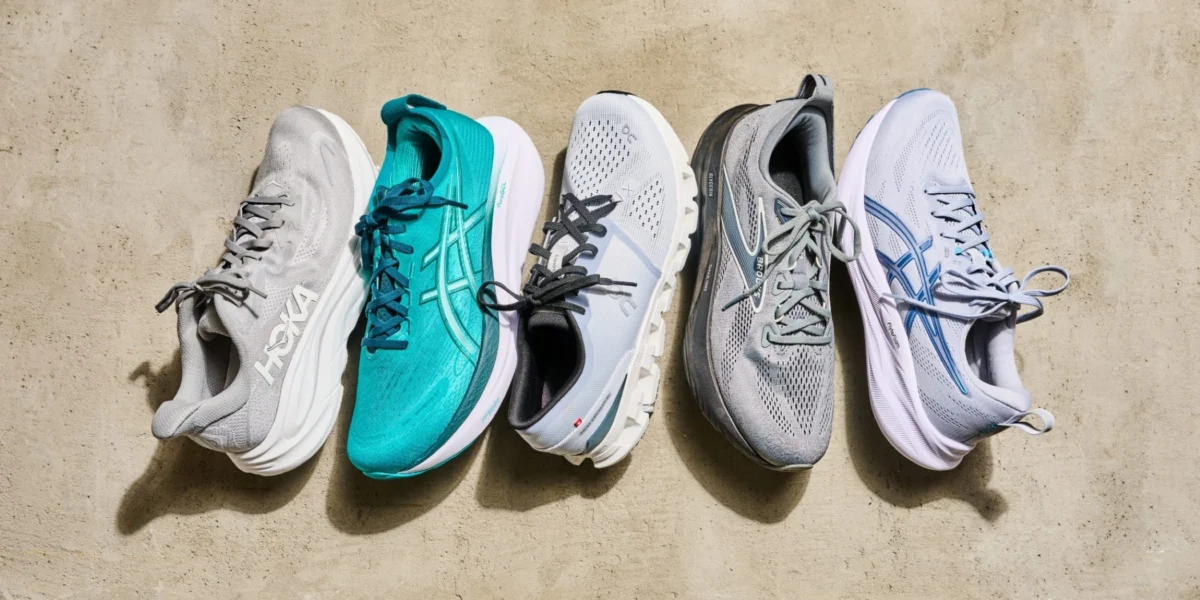
"The convergence of nitrogen-infused foams and biomechanically-informed geometries has transformed walking shoes from simple utility items into precision-engineered tools for orthopedic health and physical longevity."

As the fitness landscape evolves, the distinction between high-performance running shoes and dedicated walking footwear has blurred, leading to a new era of "crossover" technology. Modern walking shoes now incorporate the same advanced materials once reserved for elite marathoners, such as nitrogen-infused midsoles and carbon-fiber-adjacent plates, to mitigate the repetitive impact of the human gait. This shift reflects a growing understanding among podiatrists and fitness experts that walking, while lower in impact than running, requires specialized support to prevent chronic issues like plantar fasciitis, metatarsalgia, and joint fatigue. By examining the latest offerings from industry leaders, we can see how engineering is being leveraged to support everything from urban commuting to rugged trail exploration.
The Rise of Maximalist Cushioning: Hoka and the Clifton Legacy
The Hoka Clifton 10 stands as a testament to the "maximalist" revolution that has redefined the footwear industry over the last decade. Originally a niche favorite among ultramarathoners, the Clifton series has become a staple for walkers, healthcare professionals, and retail workers who spend upwards of twelve hours on their feet. The Clifton 10 continues this lineage by utilizing high-stack CMEVA (Compression Molded Ethyl Vinyl Acetate) foam, which provides a plush, cloud-like sensation without the weight typically associated with thick soles.

A critical component of the Hoka design is the signature Meta-Rocker geometry. This "rocker" shape is engineered to complement the natural gait cycle, reducing the energy required to transition from heel-strike to toe-off. For walkers, this means less strain on the forefoot and ankles. The Clifton 10 has notably earned the Seal of Acceptance from the American Podiatric Medical Association (APMA), a distinction that validates its design for promoting foot health. The update to a refined jacquard knit upper further enhances the experience, offering an adaptive fit that accommodates foot swelling—a common occurrence during long periods of standing or walking.
Nitrogen Infusion and the Brooks Reliability
Brooks, a company with roots stretching back to 1914, has maintained its market dominance by balancing traditional reliability with cutting-edge chemistry. The Brooks Glycerin 22 and the Ghost 17 represent two ends of the neutral-cushioning spectrum, both now benefiting from nitrogen-infusion technology. By infusing liquid nitrogen into the proprietary DNA Loft foam, Brooks creates a midsole that is lighter, more responsive, and more durable than standard EVA foams.

The Glycerin 22 is the brand’s premier "plush" offering. It utilizes a wider platform and balanced midfoot geometry to provide stability without the need for rigid medial posts, which can sometimes feel intrusive to neutral walkers. Conversely, the Ghost 17 remains the "one-shoe-fits-most" workhorse. The latest iteration features the DNA Loft v3 foam, providing a softer landing than its predecessors. As noted by industry experts, the release of newer models like the Ghost 18 and Glycerin 23 has made these previous versions exceptional values, as the performance gap between generations is often marginal compared to the significant price reductions.
Urban Versatility and the Hybrid Approach: On and Asics
For the city dweller, footwear must bridge the gap between gym performance and aesthetic versatility. The On Cloud X4 is designed for this specific crossover. Unlike the pillowy softness of a Hoka, On utilizes Helion superfoam and "CloudTec" pods to deliver a firmer, more responsive ride. The X-shaped Speedboard—a rigid plate within the midsole—adds forefoot flex and energy return, making it ideal for those who incorporate lateral movements or "power walking" into their routines.

Asics, another titan of the industry, continues to refine its "Gel" technology, which has been a cornerstone of impact absorption for decades. The Gel-Nimbus 28 represents the pinnacle of Asics’ luxury cushioning, featuring FF Blast Plus ECO foam. This model is particularly noted for its spacious toe box, a vital feature for walkers to prevent friction and allow for natural toe splay. For those on a budget, the Asics Gel-Pulse 17 offers a more accessible entry point into high-quality footwear, utilizing a jacquard mesh upper for superior breathability during summer months while maintaining the core GEL cushioning in the heel.
Orthopedic Innovation: The Kuru and Altra Philosophy
While many brands focus on general comfort, Kuru and Altra have built their reputations on specific biomechanical philosophies. Kuru’s "Atom" line is specifically engineered for those suffering from foot pain. Their proprietary KURUSOLE technology is a dynamic system that flexes with each step to cup and cradle the heel. This is a departure from traditional flat midsoles, which can allow the heel’s natural fat pad to flatten over time, leading to pain. The Kuru Atom 2, while heavier than a standard running shoe at 13.1 oz, provides a level of stability and orthopedic support that is often necessary for those recovering from injury or dealing with chronic conditions like plantar fasciitis.

Altra, on the other hand, is defined by its "Zero Drop" platform and "FootShape" toe box. The Altra Via Olympus 2 maintains an equal distance from the ground at both the heel and the forefoot, mimicking the natural position of a bare foot. This encourages a more upright posture and a midfoot strike, which many biomechanics experts believe reduces long-term stress on the lower back and knees. The extra-wide toe box is a hallmark of the brand, allowing the toes to relax and spread naturally, which is essential for stability and comfort during extended treks.
Specialized Terrain: Keen and the Outdoor Walker
Walking is not limited to paved sidewalks, and the engineering requirements for nature paths are significantly different. The Keen WK450 Waterproof introduces a "constant curve" construction, a patented design intended to create a rolling momentum similar to a rocking chair. This is particularly effective on uphill treks where the foot’s leverage is tested. Keen’s focus on durability and waterproofing makes the WK450 a specialized tool for the "all-weather" walker. The shoe’s construction protects against the elements while the aggressive outsole ensures traction on rain-soaked paths or loose gravel.

Similarly, the Kuru Atom Trail adapts orthopedic heel-cupping technology for the wilderness. By combining a rugged TPU overlay for protection against rocks and debris with a gusseted tongue to keep out dirt, the Atom Trail serves as a bridge between a traditional hiking boot and a lightweight walking shoe. It is a "true traditional trail shoe," as described by podiatrist Dr. Mark Mendeszoon, emphasizing protection and stability over raw speed.
Expert Insights and the Path Forward
The selection of a walking shoe is ultimately a highly personal decision that should be informed by gait analysis and specific physical needs. Experts like Eric Sung, CSCS, and Dr. Mark Mendeszoon emphasize that the "best" shoe is one that aligns with an individual’s unique biomechanics. Whether it is the maximalist cushioning of the Asics Gel-Nimbus 28 or the natural alignment of the Altra Via Olympus 2, the goal remains the same: to minimize the metabolic cost of walking while maximizing the protection of the musculoskeletal system.

As we look toward the future of footwear, we can expect to see further integration of sustainable materials—such as the bio-based foams found in the Asics ECO line—and even more personalized midsole geometries. For the consumer, the current market offers an unprecedented variety of choices, ensuring that whether one is working a double shift in a hospital, navigating a city commute, or hiking a mountain trail, there is a precision-engineered solution available to support every step. The investment in high-quality walking footwear is not merely a purchase of apparel, but a proactive step toward long-term orthopedic health and mobility.
