
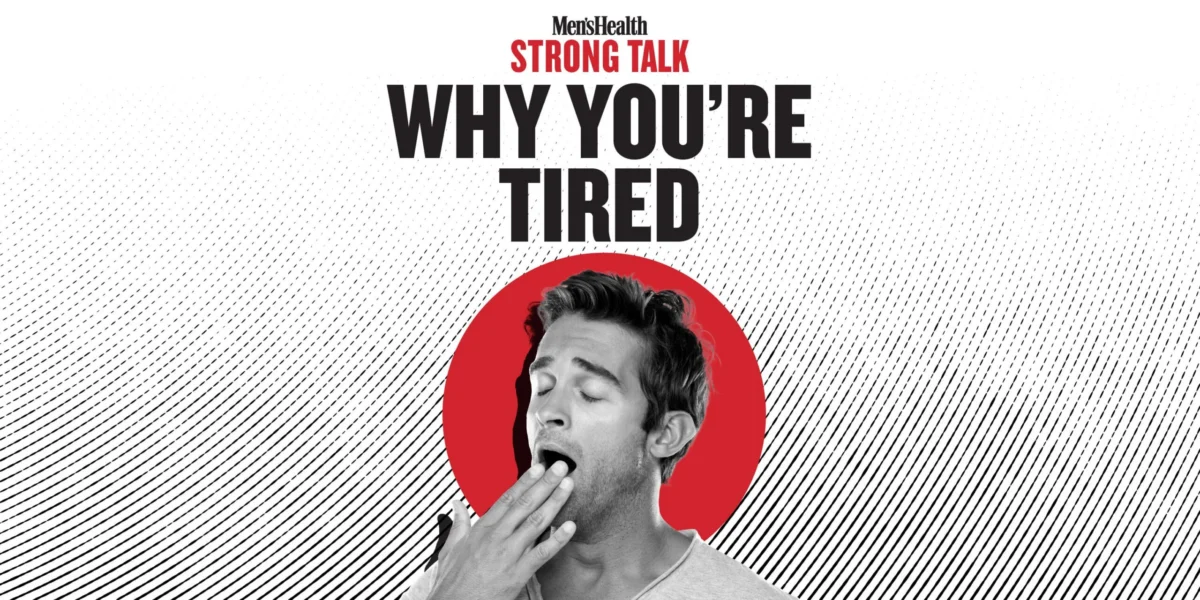
"True elite performance is not merely a product of grit and training, but of biological synchrony; aligning the body’s internal 24-hour clock with external demands can unlock physiological potential that hard work alone cannot reach."

While traditional sports science has long focused on the mechanics of the musculoskeletal system and the chemistry of nutrition, a new frontier in human optimization focuses on the "when" rather than the "how." Every human being operates on a circadian rhythm—a complex internal timing system that regulates everything from hormone secretion to core body temperature. When an individual’s schedule is misaligned with this biological clock, they experience a significant "circadian tax" that manifests as reduced cognitive function, slower reaction times, and diminished physical power. Conversely, those who master their chronobiology can ensure they are competing at the exact moment their body is primed for maximum output.
The Internal Architecture of Performance
At the heart of human biology lies the circadian rhythm, a 24-hour cycle managed by the suprachiasmatic nucleus (SCN) in the brain’s hypothalamus. This "master clock" responds to environmental cues, primarily light, to coordinate a symphony of physiological processes. According to Mickey Beyer-Clausen, CEO of Timeshifter, and Dr. Stephen Lockley, a leading neuroscientist and circadian expert, this system is the hidden engine behind world-class performance.

The circadian rhythm is not a singular switch but a rolling wave of optimization. Throughout the day, our bodies fluctuate in alertness, metabolism, and physical capability. For most people, the "golden window" for physical performance occurs in the late afternoon, typically between 4:00 p.m. and 6:00 p.m. This is not a coincidence; it is the point in the 24-hour cycle where core body temperature reaches its peak. As body temperature rises, muscles become more flexible, nerve conduction velocity increases, and the body’s ability to utilize oxygen becomes more efficient. It is during this window that a disproportionate number of world records are broken, as athletes find themselves in a natural biological "sweet spot."
The Chronotype Advantage
A critical component of understanding the circadian rhythm is the concept of chronotypes. While the general afternoon peak applies to the majority of the population, individuals fall into different categories: "morning larks," "night owls," and those who sit in between. These chronotypes determine when an individual’s cognitive and physical peaks occur.

In a recent discussion on the Strong Talk podcast, fitness director Ebenezer Samuel and exercise physiologist Dr. Pat Davidson highlighted that fighting one’s chronotype is often a losing battle. For a professional athlete, knowing whether they are a morning or evening type allows coaching staffs to schedule high-intensity training sessions during periods of peak alertness. When an athlete is forced to perform during their biological "trough," their risk of injury increases, and their recovery time slows. By identifying these individual windows, trainers can tailor routines that respect the body’s natural fluctuations, ensuring that the highest levels of exertion are met with the highest levels of biological readiness.
Space-Age Science Applied to the Field
The expertise required to manage these rhythms is so specialized that it has roots in space exploration. Dr. Stephen Lockley, the chief scientist at Timeshifter, has spent years working with NASA to help astronauts maintain alertness in the extreme environments of orbit and during high-stakes spacewalks. In space, the absence of a traditional 24-hour day-night cycle can wreak havoc on the human body, leading to profound fatigue and errors in judgment.

These same principles are now being applied to the world’s most elite athletes. Beyer-Clausen has worked with players preparing for the 2026 World Cup—a tournament that will involve massive travel across multiple time zones. For a soccer player, the challenge is twofold: they must not only perform at an elite level but also mitigate the effects of "jet lag," which is essentially a state of circadian desynchrony.
Jet lag occurs when the internal clock is out of step with the local time of the destination. This mismatch affects sleep-wake cycles, but more importantly for the athlete, it affects the timing of their physical peak. If a player’s body thinks it is 3:00 a.m. (a physiological low) while they are competing in a 3:00 p.m. match, their reaction time and power output will be significantly compromised. Using data-driven strategies, athletes can now "shift" their internal clocks days before they even board a plane, using strategic light exposure and avoidance to arrive at their destination already synchronized.

The Role of Light and Environmental Cues
Light is the most powerful "zeitgeber," or time-giver, in the human environment. It is the primary signal that tells the SCN to reset the clock for the day. When light hits the retina, it suppresses the production of melatonin—the hormone responsible for sleep—and triggers the release of cortisol and other hormones that promote alertness.
However, in the modern world, light is often a double-edged sword. Blue light from screens and overhead LEDs can trick the brain into thinking it is midday when it is actually late at night. This "light pollution" shifts the circadian rhythm later, making it harder to wake up and perform the next morning. For the average person looking to optimize their fitness, managing light exposure is the most practical way to influence their internal clock. Viewing bright, natural light early in the morning can "anchor" the circadian rhythm, ensuring a more predictable peak in energy later in the day. Conversely, dimming lights in the evening prepares the body for the deep, restorative sleep necessary for muscle repair and cognitive consolidation.

Three Practical Strategies for Optimization
While elite athletes have access to specialized apps and scientists, the fundamental principles of circadian optimization are accessible to everyone. During the Strong Talk episode, experts outlined three actionable strategies to align one’s routine with their biological clock:
- Strategic Light Exposure: Seek out bright sunlight within 30 minutes of waking to signal the start of the biological day. In the evening, minimize blue light exposure to allow melatonin to rise naturally.
- Consistency in Timing: The body thrives on predictability. Eating, exercising, and sleeping at the same time every day reinforces the circadian rhythm, making the transitions between alertness and rest more seamless.
- Temperature Manipulation: Since the afternoon performance peak is tied to body temperature, using heat (such as a warm-up or sauna) or cold (such as a morning cold plunge) can help signal the body’s state of readiness or recovery.
The Broader Implications of Circadian Health
The implications of circadian science extend far beyond the sports arena. Chronic circadian disruption—often seen in shift workers or those with irregular sleep habits—has been linked to a host of long-term health issues, including metabolic syndrome, cardiovascular disease, and weakened immune function. By viewing the 24-hour clock as a foundational pillar of health, individuals can improve not just their gym performance, but their overall longevity.

In the context of high-performance sports, the margin between winning and losing is often measured in milliseconds or inches. As training and nutrition become increasingly standardized across the professional landscape, chronobiology represents one of the few remaining "unfair advantages." The 2026 World Cup will serve as a massive laboratory for these theories, as teams utilize circadian protocols to navigate the vast distances of North America.
Ultimately, the lesson of the circadian rhythm is one of humility: we are biological organisms governed by ancient cycles of light and dark. Whether you are an astronaut, a World Cup striker, or a weekend warrior, your performance is bound to the ticking of an internal clock. Success, therefore, is not just about working harder—it is about working in harmony with the time.
