
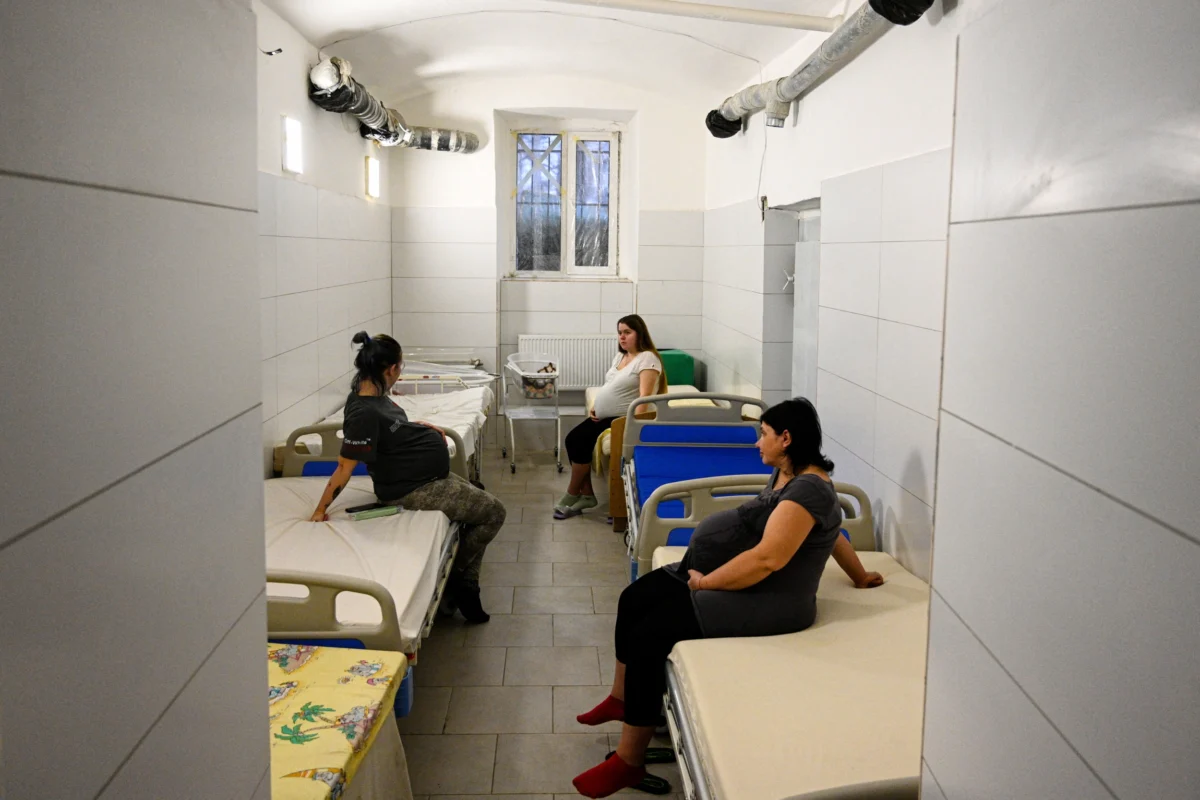
"A stark financial crisis looms over Watsonville Community Hospital, forcing a heart-wrenching decision for expectant families: the potential closure of its labor and delivery unit, which could leave the Pajaro Valley without a local birthing center by spring 2027."
Watsonville Community Hospital, a vital healthcare provider for the Pajaro Valley region of California, is grappling with an escalating financial crisis that could necessitate the closure of its labor and delivery services, and potentially lead to the hospital’s complete shutdown by April 2027. This dire warning, issued by hospital leadership, casts a long shadow over an estimated 31% of all babies born in Santa Cruz County who currently rely on the facility. The potential loss of these critical services raises profound questions about access to maternal care, the logistical challenges for expecting families, and the broader implications for community health in a region already experiencing the impact of a closed neonatal intensive care unit.
The precarious financial situation at Watsonville Community Hospital was brought to light during a special board meeting of the Pajaro Valley Health Care District on September 22nd. Hospital leaders revealed that the facility is currently operating with an alarming deficit, having incurred losses exceeding $23 million in 2025 and bleeding approximately $85,000 per day. While a $10.6 million state grant provided temporary relief, this funding has since been exhausted. Interim CEO Tim Moran articulated the dire state of affairs in an email to Santa Cruz Local, stating, "The hospital is running with approximately eight days of cash on hand. Growth initiatives and partnership are being actively pursued, but the results of those efforts will not benefit the hospital for months to come." This critical liquidity issue underscores the urgency of the situation and the limited time available to secure sustainable solutions.
A significant contributing factor to the hospital’s financial strain is its payer mix. Approximately 85% of patients at Watsonville Community Hospital rely on Medi-Cal or Medicare. This reliance, coupled with federal changes under H.R. 1, is projected to cost the hospital an estimated $4 million to $6 million over the next year, according to reporting by the Pajaronian. Chief Financial Officer Julie Peterson highlighted that the hospital’s neonatal intensive care unit (NICU), which closed in July due to staffing shortages, was losing nearly $2 million annually. Furthermore, patient volumes in both the NICU and labor and delivery have experienced a decline in 2026, exacerbating the financial pressures. Peterson acknowledged the significant community impact of any potential closure, stating, "We have been evaluating and hearing all the comments on patient and community impact. We do acknowledge that it will be a challenge to maintain any kind of positive community relations with a decision such as this." Despite these stark warnings and extensive discussions at the board meeting, no formal proposal to permanently close both the NICU and the labor and delivery unit has been presented, and no definitive decisions have been made.
The closure of the Level II NICU in July has already created significant anxiety and logistical burdens for families in the Pajaro Valley. This unit was designed to care for infants born at 32 weeks gestation or later. Its closure, attributed to a nursing shortage in labor and delivery, has left the community without a local facility for specialized newborn care. Consequently, infants requiring intensive care are now transferred to Level III units at Dominican Hospital in Santa Cruz or Natividad Medical Center in Salinas. This necessitates a considerable daily burden for parents, who must travel for up to three hours round trip to visit their newborns while also managing family responsibilities. A pediatrician from Stanford’s Lucile Packard Children’s Hospital is currently assessing newborns to determine the appropriate level of care and transfer location, with helicopter transfers for critically ill infants being a rare but necessary option. The impact of the NICU closure is deeply felt, with ICU nurse Roseann Farris warning at the board meeting that it could "accelerate the closure of the OB department through severe clinical risks."
The potential closure of the labor and delivery unit would represent a far more significant disruption for the Pajaro Valley. Watsonville Community Hospital averages approximately 60 births per month, a service that is deeply integrated into the fabric of the community. For pregnant individuals in Watsonville and Pajaro, the prospect of a lengthy commute during labor presents a daunting scenario. Nora Yerena, founder of the Watsonville family resource center Raíces y Cariño, poignantly described the potential implications: "If I had to go through the hour-long drive of traffic, at that time, the chances of me not making it there conscious, better yet alive." This highlights the critical role the local hospital plays in ensuring timely and safe access to obstetric care.
Watsonville’s situation is not an isolated incident; it reflects a broader statewide trend of diminishing maternity care access. Between 2012 and February 2025, 56 hospitals across California shuttered their maternity units. Concurrently, from 2019 to 2024, the distance to the nearest birthing hospital increased for over one million California women of reproductive age, according to the California Health Care Foundation. This trend is particularly concerning given that Medi-Cal covered 41% of California births in 2023. Recent national reports also indicate that obstetric closures are increasingly impacting urban hospitals, challenging the long-held perception that this is solely a rural issue.
Any potential closure of maternity services at Watsonville Community Hospital would be subject to California’s Senate Bill 1300, enacted in 2024 following a CalMatters investigation. This legislation mandates a minimum of 120 days’ notice prior to the closure of a maternity unit, coupled with a public hearing within the first 60 days of that notice period. This provides a structured framework for community engagement and offers a window for exploring alternative solutions.
The Pajaro Valley Health Care District board is scheduled to hold its next public meeting on October 28th, from 5 to 6 p.m. in the hospital’s Community Room, with virtual participation via Zoom also available. This meeting presents a crucial opportunity for residents to voice their concerns, ask questions, and explore potential partnerships that could safeguard local birthing services. Discussions have reportedly included potential collaborations with major healthcare systems such as Sutter Health, Kaiser Permanente, UC San Francisco, Salud Para La Gente, and CommonSpirit Health. However, previous talks with one potential partner reportedly fell through in May, and no recent updates have been publicly shared.
For pregnant individuals whose due dates fall in early to mid-2027, there is still time to plan, but proactive engagement is essential. It is strongly advised to initiate conversations with obstetricians or midwives about delivery plans, potential transfer hospitals, and the coverage provided by Medi-Cal or private insurance for facilities like Dominican Hospital or Natividad Medical Center. Understanding backup plans for rapid labor and the protocols for NICU transfers is also critical. Families are encouraged to map out rush-hour travel times to alternative hospitals and to keep their prenatal records readily accessible. In cases of severe warning signs such as heavy bleeding, severe headache, vision changes, fluid leakage, or reduced fetal movement, immediate emergency care should be sought at the nearest emergency room, irrespective of the originally planned birthing location.
The future of Watsonville’s maternity ward remains uncertain, contingent upon the decisions of the hospital board, adherence to state notice requirements, and the success of ongoing partnership discussions. For expecting families, the most impactful step is to engage in direct dialogue with their prenatal care providers to establish clear delivery plans and robust backup strategies.
Key Questions Answered
Is Watsonville Community Hospital closing its maternity ward?
Not yet. Hospital leaders have presented closing labor and delivery as a potential measure to avert a complete hospital shutdown. However, no formal proposal has been submitted to the board, and no vote has occurred.
When could the hospital close?
Hospital leadership has warned of a potential shutdown by April 2027 if financial conditions do not improve. The interim CEO indicated the hospital currently has approximately eight days of cash on hand.
Is the NICU open?
No. The Level II NICU closed in July due to staffing shortages and currently has no projected reopening date. Infants requiring intensive care are transferred to Dominican Hospital or Natividad Medical Center.
Where would Pajaro Valley families give birth if labor and delivery closes?
The nearest alternative facilities identified in local reporting are Dominican Hospital in Santa Cruz and Natividad Medical Center in Salinas. Families should consult with their clinicians and insurance providers to confirm which hospital best meets their care and coverage needs.
How much notice is required before a closure?
Under California’s SB 1300, hospitals are required to provide 120 days’ notice before closing a maternity unit and must conduct a public hearing within the initial 60 days of that notice period.
How can residents weigh in?
The Pajaro Valley Health Care District board will convene on October 28th from 5 to 6 p.m. at the hospital. Zoom access will also be available. Public comment is a designated part of the meeting proceedings.
What should pregnant people do now?
Pregnant individuals are advised to discuss their delivery plans, backup hospital options, and insurance coverage with their obstetrician or midwife. In the event of warning signs such as heavy bleeding, severe headache, or reduced fetal movement, immediate emergency care should be sought.
