
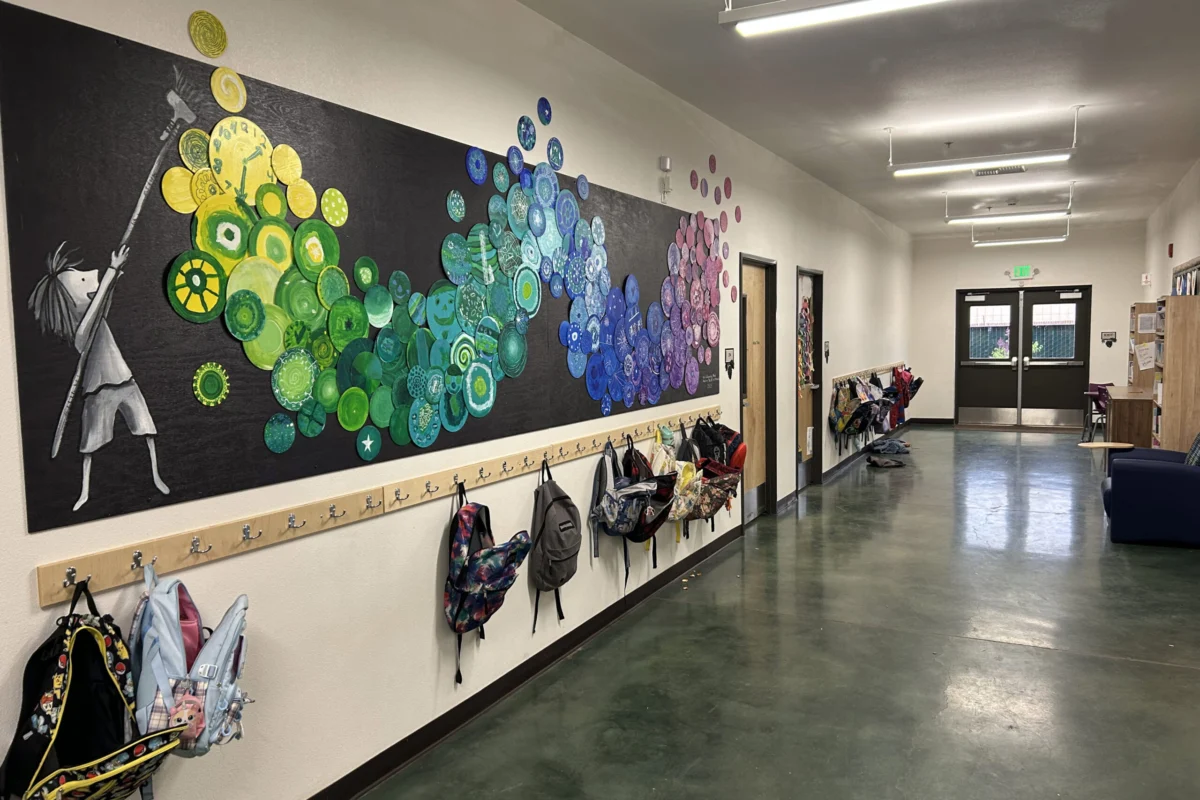
"California’s groundbreaking plan to fund on-campus mental health services for students, while conceptually sound and desperately needed, is facing significant hurdles in execution, leaving schools struggling to access promised reimbursements and jeopardizing the very support systems it aimed to create."
California launched an ambitious, first-in-the-nation initiative designed to address the escalating youth mental health crisis by enabling schools to bill health insurance companies for behavioral healthcare services provided on campus. The program, a cornerstone of Governor Gavin Newsom’s "Master Plan for Kids’ Mental Health," aims to integrate mental health support into the daily lives of students, making care more accessible, especially in underserved communities. However, five years after its inception, many participating schools report a labyrinthine administrative process, significant delays in reimbursement, and a lack of clear guidance from the state, leading to frustration and threatening the sustainability of vital mental health resources.
The initiative, announced in 2021 amid a backdrop of alarming statistics—including 1 in 10 high school students nationwide reporting suicide attempts—promised to transform the landscape of youth behavioral health. California allocated substantial funding, with a significant portion directed towards the Children and Youth Behavioral Health Initiative (CYBHI). This funding was intended for workforce development, partnerships between local governments and schools, grants for facilities and services, and the development of digital health platforms. A key component of CYBHI is the fee-for-service program, allowing schools to bill insurers for services like therapy and counseling, thereby generating revenue to sustain these on-campus programs.
However, the reality on the ground has proven far more complex. Plumas Charter School in Quincy, California, a rural community grappling with limited access to mental health care, exemplifies the challenges. Taletha Washburn, the school’s executive director, described the initial enthusiasm for the program as a "well-timed remedy." Yet, the path to realizing this remedy has been fraught with obstacles. For two years, school staff dedicated countless hours to state-led webinars, form completion, and researching electronic health record systems. Despite these efforts, Washburn reported months of waiting for state responses to inquiries, a common refrain among school officials navigating the program.
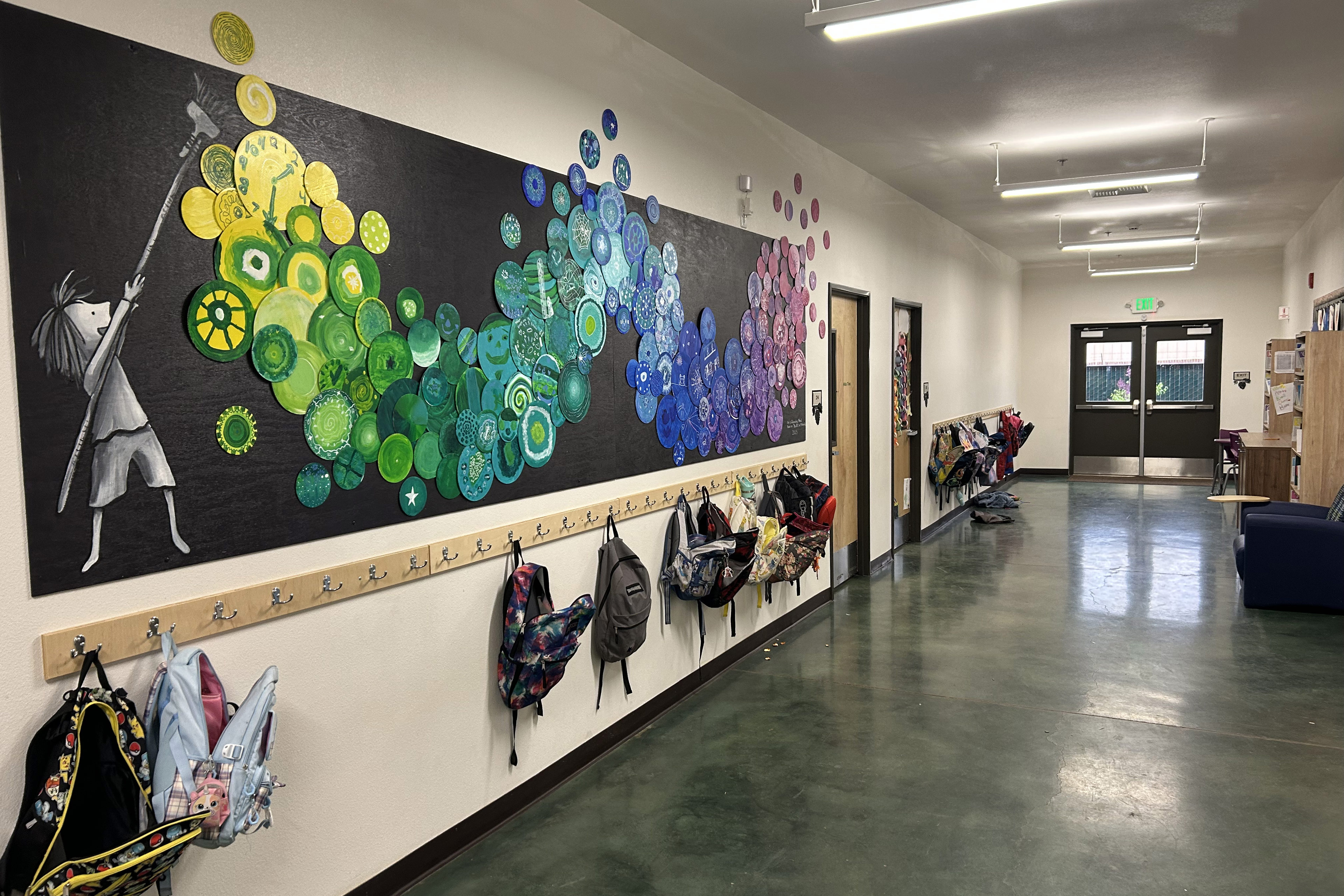
The financial repercussions of these implementation delays are significant. Plumas Charter School, for instance, only received its first reimbursement check in April, totaling a modest $8,000, with at least $12,000 in outstanding claims. For a program envisioned as a "game-changer," this slow financial return has been deeply disappointing. This situation is not unique. According to state data, fewer than one-fifth of the roughly 1,000 public schools, community colleges, and universities participating in the billing program had filed claims as of June 1. This low participation rate, coupled with delayed payments, means the program has fallen far short of its projected half-billion dollars in annual revenue.
The disparity between the program’s promise and its current delivery is a source of concern for policymakers and advocates alike. State lawmaker Dawn Addis, a former special education teacher, has voiced criticism, stating, "One of the things that makes people hate government is when we make a promise and then we struggle to keep that promise because we can’t get the administrative part of it up and running." Governor Newsom’s office, while highlighting the initiative as "unprecedented," has not directly addressed specific criticisms regarding its slow implementation. In a press conference, Newsom emphasized the state’s commitment to youth wellness, calling investments in mental health a "good investment," but did not label the program a success when questioned.
Experts acknowledge the groundbreaking nature of California’s undertaking but also express disappointment with the tangible outcomes. Tom Insel, former head of the National Institute of Mental Health and an advisor to Newsom, noted, "What we struggle with in California is: We spend the money, but we don’t always see the outcomes. It’s sobering to realize, especially as an advocate, that you could actually get the programs, get the money, get everything that you want from the policy side, but the execution just isn’t there."
The sheer scale of the initiative, with its multi-faceted approach encompassing workforce recruitment, loan repayment programs, inter-agency partnerships, and direct grants, has contributed to the complexity. The state has invested heavily in digital applications and state operations, alongside efforts to increase the number of school counselors. However, the target of adding 10,000 school counselors by the end of this year, as pledged by Newsom, remains unmet, with the American School Counselor Association reporting a gain of 1,855 counselors since 2021.
A significant bottleneck appears to be the billing infrastructure. Schools, often lacking in-house expertise in medical billing, have found the process of filing claims with health insurers to be an "administrative nightmare." The Fresno County Office of Education, upon launching its medical billing in February 2025, described the experience as "like building the plane while flying it." The delays were so acute that lawmakers authorized $20 million in grants to 170 school systems to prevent layoffs of newly hired mental health staff.
Even schools considered "champions" of the program, like Anaheim Elementary School District, have encountered challenges. While they have recouped over $1.1 million since February 2025, this represents less than 30% of the behavioral health services provided. Shirley Diaz, a program specialist, cited parental reluctance to share insurance information, particularly in the largely Latino district, due to lingering fears stemming from past immigration enforcement actions.
To manage the claims process across the state, California contracted with Carelon Behavioral Health, a service operated by Elevance Health, for $65 million. Despite this, schools continue to report difficulties in getting claims approved, with many resorting to hiring external vendors at considerable expense to troubleshoot and manage billing. As of June 1, Carelon had approved approximately 232,100 claims totaling over $11.3 million for 186 school districts and educational agencies. This figure, while increasing, remains a fraction of the anticipated revenue and the thousands of entities the state hoped would participate.
The state Department of Health Care Services (DHCS) acknowledges the challenges, with spokesperson Tony Cava noting that many charter schools are small and not expected to participate, though they serve a significant portion of students. Autumn Boylan, deputy director of the Office of Strategic Partnerships at DHCS, stated that the state has incorporated feedback, extended deadlines, and eased onboarding requirements. She emphasized that the issue is less about claims being denied and more about "claims not yet being submitted for payment," attributing the slow progress to the inherent complexity of implementing such a large-scale program. DHCS reported an exponential increase in reimbursements since the first claims were filed in November 2024.
Meanwhile, the need for these services remains acute. Data from the California Health Interview Survey indicates that in 2024, nearly 14% of individuals aged 12-17 reported delaying or skipping mental healthcare due to an inability to get an appointment, and one in four teens cited cost as a barrier, an increase from the previous year. While the overall suicide rate among young Californians has seen a decrease from its 2021 peak, mirroring national trends, rates for female and Black youths have unfortunately risen between 2023 and 2024. Assembly member David Alvarez expressed the sentiment of many: "We have to have high expectations that when we invest in the magnitude of billions as this program did, we would have results to show."
California’s experience has not gone unnoticed by other states. Some are adopting a more phased approach, focusing on specific elements rather than the broad rollout California attempted. Sharon Hoover, formerly co-director of the National Center for School Mental Health, observed that initiating the reimbursement program before the billing infrastructure was fully established, while generating momentum, also created significant difficulties. Nevertheless, she recognized Newsom’s emphasis on prevention and early intervention as a crucial national policy shift, potentially marking "one of the most progressive actions in the history of public systems." Alex Briscoe of the Public Works Alliance agreed, suggesting that while the intention was commendable, the execution lacked strategic planning.
The challenges are particularly pronounced in rural areas like Quincy. Students at Plumas Charter School have faced significant trauma, including wildfires, COVID-19 disruptions, and the loss of a classmate. The school’s decision to hire a full-time therapist and wellness coach, funded initially by temporary federal grants, provided a critical lifeline. Will Coelho, a senior at the school, shared how weekly, free, on-campus therapy sessions significantly improved his ability to process emotions and his outlook on life. However, sustaining these services hinges on the success of the state’s reimbursement program, which Plumas Charter School has struggled to access.
Twice, their applications were rejected due to unmet requirements, such as lacking sufficient systems for billing private insurers and collecting student insurance data. When online claim filing proved problematic, school officials were advised to submit paper claims, a suggestion Washburn found impractical for their understaffed district. This experience has left Washburn disillusioned, feeling the program is ill-suited for small rural districts where staff often juggle multiple roles.
Despite these hurdles, the state continues to invest. Governor Newsom’s office has pointed to the initiative as a significant step forward in addressing the mental health crisis, emphasizing that California is doing "more than any other state in the nation" to tackle the issue. However, for schools like Plumas Charter, the slow pace of reimbursement and the administrative burden present an immediate threat to the continuation of essential mental health support, underscoring the critical need for improved implementation and targeted assistance to ensure that the promise of accessible mental healthcare for all students becomes a tangible reality.
