
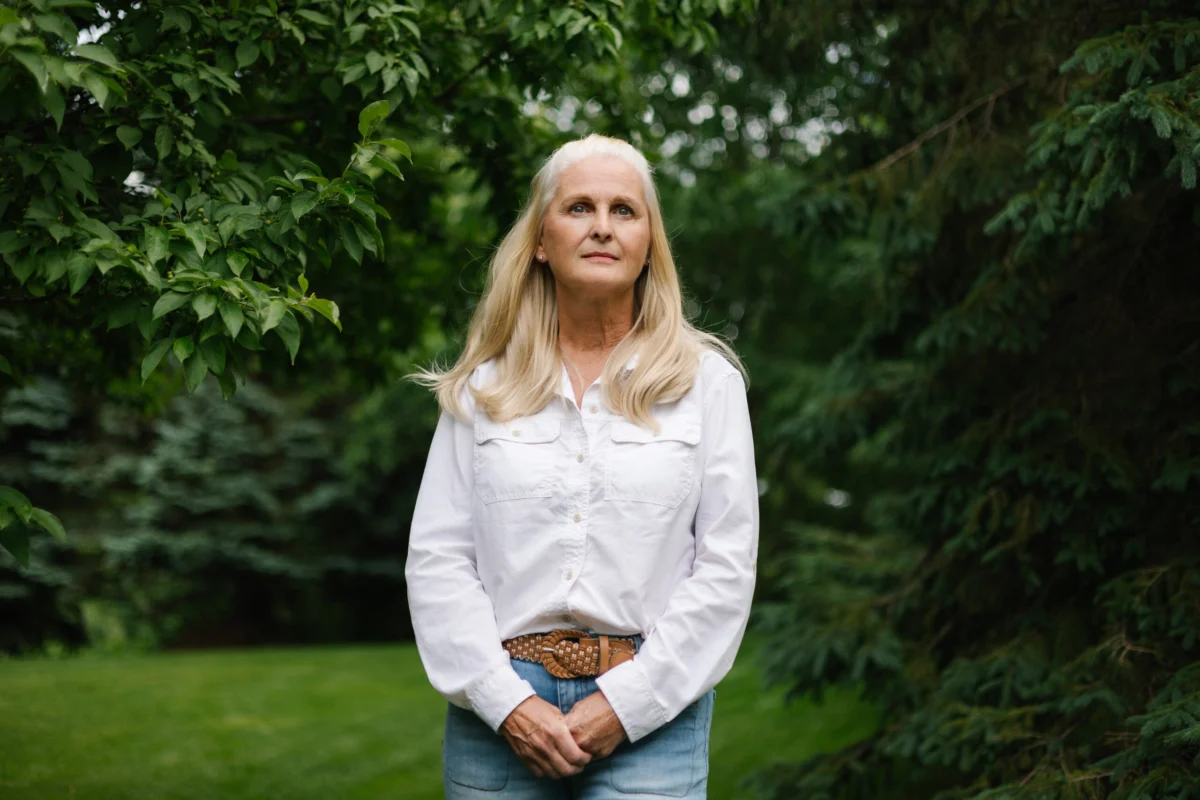
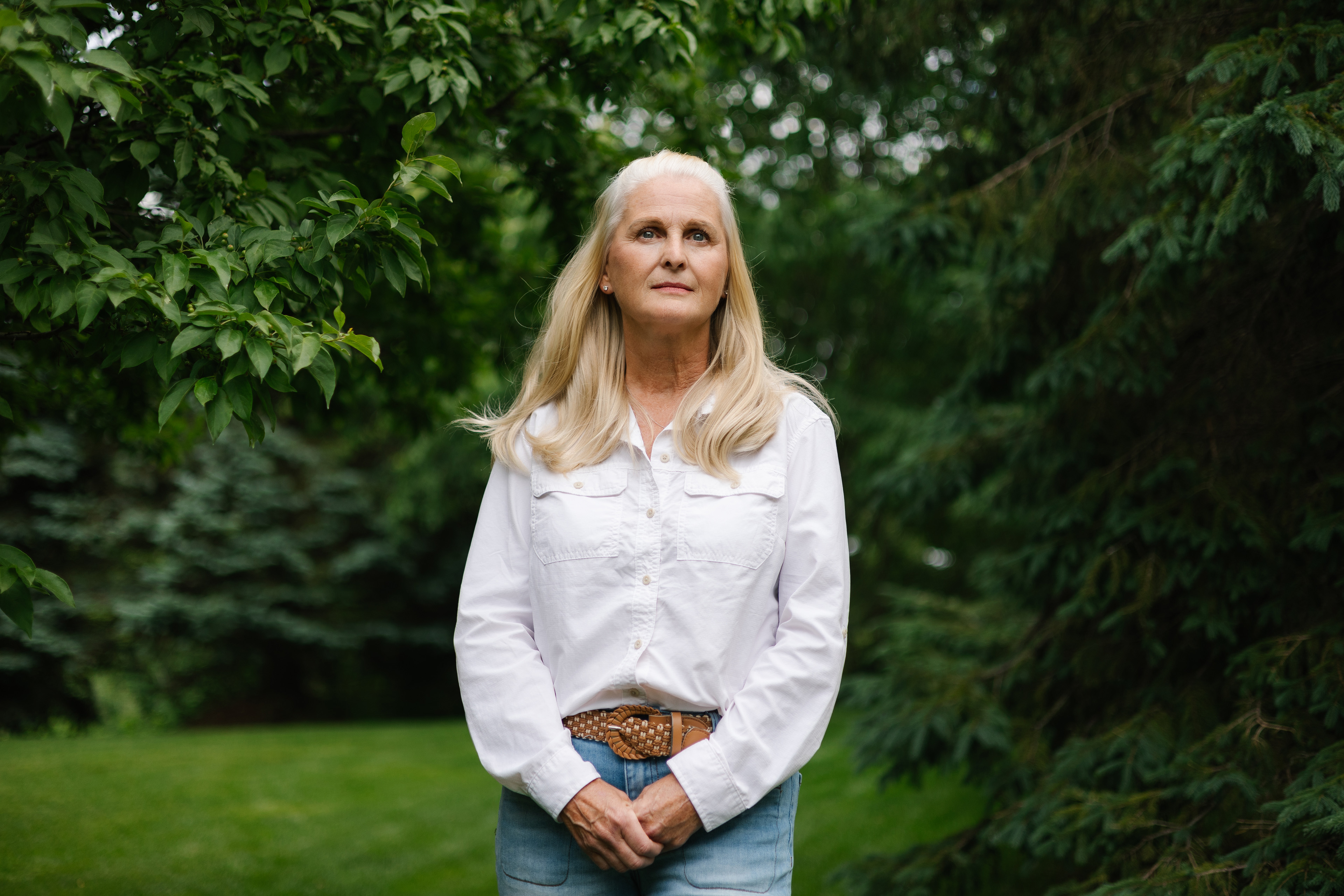
"In facilities meant for care, residents are dying, and preventable tragedies are unfolding due to systemic failures to protect vulnerable individuals with dementia."
This article exposes a disturbing pattern of violence and neglect within U.S. nursing homes and assisted living facilities, highlighting critical failings in resident safety, particularly for those with dementia. From fatal assaults stemming from inadequate roommate assignments to persistent harassment and physical harm, the evidence points to a system where profit often overshadows patient well-being, leaving residents vulnerable and families devastated by preventable loss.
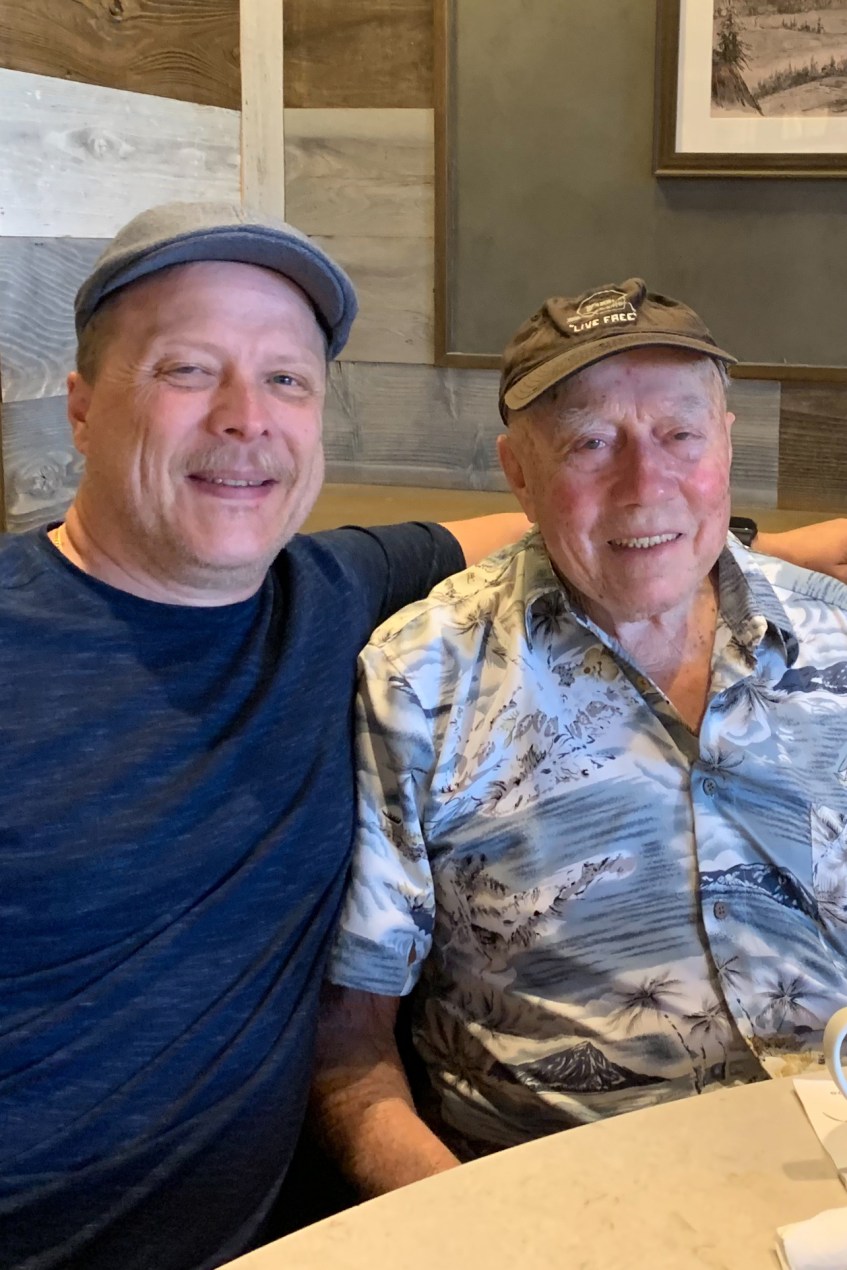
A state investigative report detailed a harrowing incident at Sunrise Post Acute, a nursing home in Banning, California, where Sam Ato Timaloa, a parolee with a history of attempted murder and sex offenses, was housed. Timaloa, who suffered from dementia and an acute sensitivity to noise, was moved eight times over four months in 2025. His final room assignment placed him with 92-year-old Attilio Cecchetto, a retired tile installer whose own dementia manifested in frequent moaning, mumbling, and yelling.
Overnight, a nurse aide discovered a scene of horrific violence: blood splattered across the room, walls, and ceiling. Cecchetto’s face was described as “twisted and smashed.” A Banning police officer testified that Timaloa, then 77, admitted to punching Cecchetto twice, stating, “Attilio was being too loud. He talks too much.” Cecchetto succumbed to his injuries two days later from blunt force facial trauma. His son, Gino Cecchetto, lamented, “You get placed in a facility like this to be taken care of, not to be murdered. This was completely preventable at many different points.” Timaloa pleaded not guilty to assault, with charges later upgraded to murder. A judge is awaiting a mental health evaluation to determine his competency to stand trial.
PACS Group, the owner of Sunrise, denied negligence, stating, “We strive to provide quality care to everyone we serve, and our hearts continue to go out to the Cecchetto family for their loss.”
The issue extends far beyond this single tragic event. KFF Health News’ examination of federal inspection reports reveals that agitated residents in both low-income and high-end assisted living facilities frequently engage in aggressive behaviors, including shoving, punching, biting, and kicking. They have utilized an array of objects as weapons, from canes and walkers to everyday items like plates and shoe buckles. The prevalence of these altercations nationwide remains largely unquantified, but a comprehensive study by Cornell University researchers in New York state estimated that approximately 1 in 7 residents in assisted living facilities experience aggression monthly, encompassing verbal, physical, and sexual acts. A separate study of nursing homes in the same state indicated that 1 in 5 residents experienced an altercation within a month. These studies also found that residents with dementia are disproportionately likely to be perpetrators of aggression.
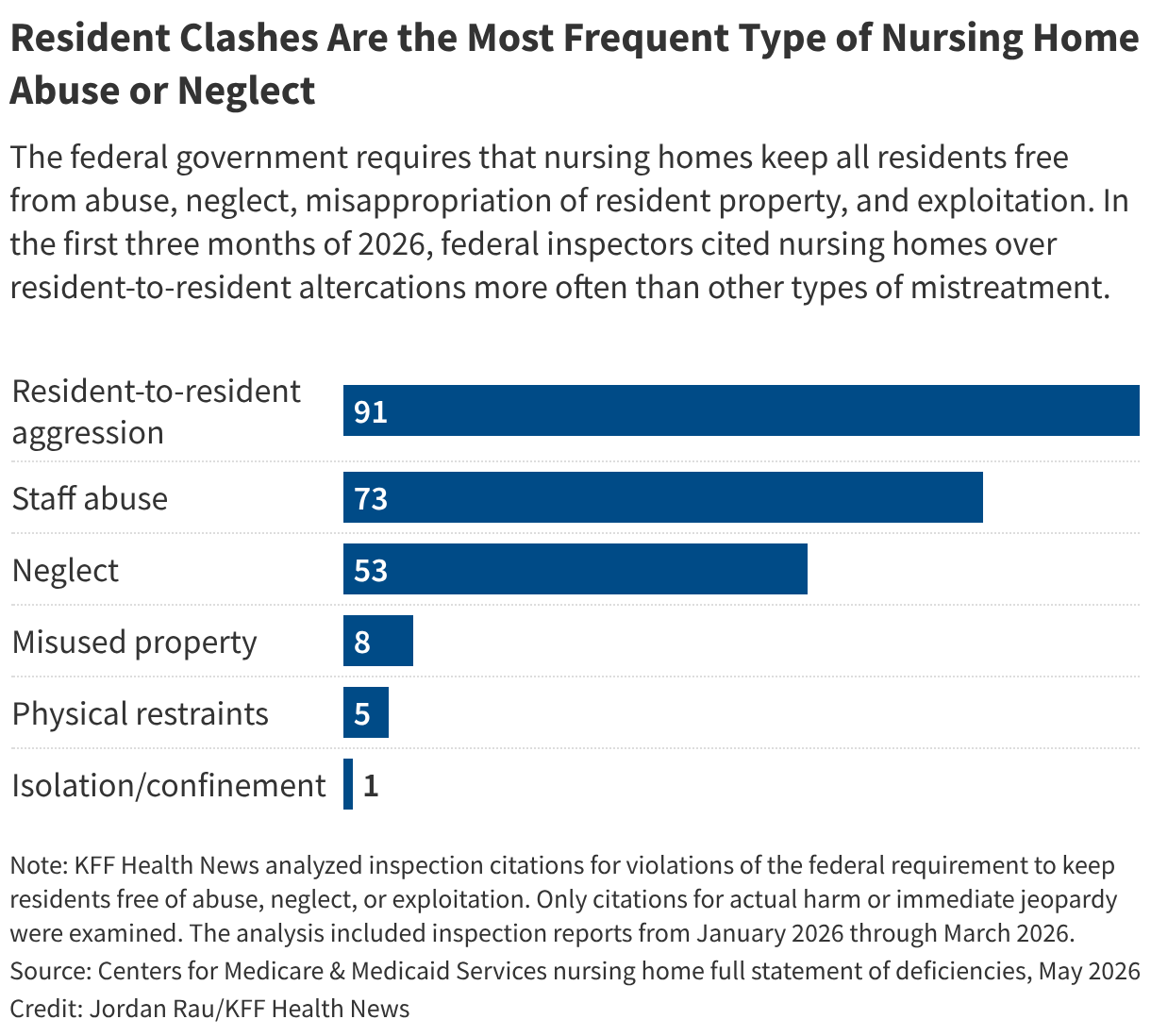
Dementia, including Alzheimer’s disease, significantly impairs brain circuits responsible for impulse control and threat perception, thereby increasing the likelihood of aggressive behavior. Residents with various forms of dementia constitute a substantial portion of the 2.2 million individuals residing in long-term care settings, many of which include specialized memory care units. These altercations often occur when warning signs of potential danger are missed or inadequately addressed. Federal data from the Centers for Medicare & Medicaid Services (CMS) shows that since the beginning of 2024, nursing homes have been cited at least 700 times for failing to protect residents from physical, sexual, or verbal abuse by other residents. Notably, in the first quarter of 2026, resident-to-resident abuse accounted for more citations than any other category of abuse or neglect, including staff-perpetrated abuse.
The long-term care industry acknowledges the complexity of managing residents with advanced dementia, noting that behaviors can be unpredictable. Presbyterian Homes & Services, a senior living provider, stated, "Caring for individuals living with advanced dementia is complex, and behaviors can change in ways that are difficult to fully predict or prevent, even with clinical interventions in place." However, Eilon Caspi, a dementia consultant and researcher, asserts that altercations are typically preceded by specific unmet needs and identifiable warning signs spanning months, weeks, days, and even hours or minutes before an incident.
A prevalent psychological theory regarding Alzheimer’s disease suggests that as the brain’s networks deteriorate, the balance between the prefrontal cortex (responsible for judgment and self-control) and limbic regions (involved in fear and threat processing) shifts. This cognitive decline can lead to a reduced ability to comprehend surroundings and articulate distress. Physical and emotional discomforts, such as pain, infections, or medication side effects, may be expressed through aggressive behaviors. Environments within long-term care facilities, characterized by close quarters, frequent staff changes, and rigid routines, can exacerbate these issues, turning interactions into potential flashpoints. Dr. Al Power, a geriatrician and advocate for alternative care models, emphasizes the distress caused by unfamiliar caregivers performing intimate tasks, stating, "You don’t feel safe, because you don’t know these strangers who are coming in and taking off your clothes."
Research indicates that while verbal altercations are the most common form of aggression, a significant percentage of residents experience physical assaults. Studies have shown that police are called to nursing homes for resident-to-resident conflicts more frequently than for allegations of staff abuse, theft, or elopement combined. National analyses suggest that nearly 8% of residents in assisted living facilities engage in physical aggression towards others. Many of these aggressive incidents are perpetrated by residents diagnosed with dementia, schizophrenia, or other cognitive disorders. In some cases, both residents involved are aggressors, while in others, the aggression is one-sided, sometimes occurring between roommates. Laura Mosqueda, a geriatrician at the University of Southern California, expresses concern that the focus often falls on individuals with cognitive impairments or mental health issues, overlooking the responsibility of facilities to ensure resident safety.
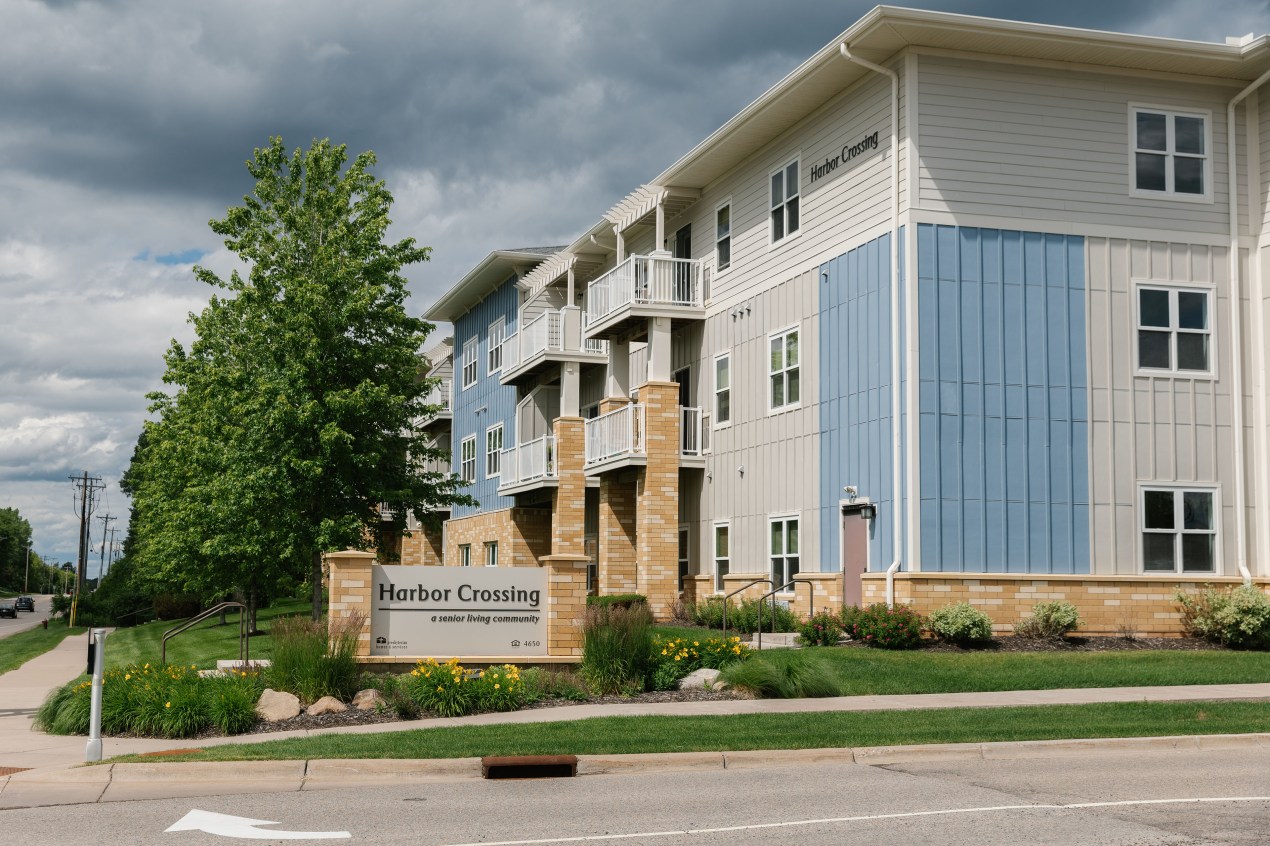
In another case, Gladys Lynch, a retired accountant, moved into the memory care unit at Harbor Crossing in White Bear Lake, Minnesota, in September 2025, incurring costs of over $10,000 per month. Her daughter, Rebecca Norton, installed web cameras in her mother’s room and repeatedly observed another resident entering, harassing Lynch, and using her bathroom. Despite informing facility administration, who promised to secure Lynch’s door, the intrusions continued. Unknown to Norton, Harbor Crossing staff had raised concerns about this resident, who was diagnosed with Alzheimer’s, severe dementia with agitation, depression, and anxiety. This resident exhibited confusion, difficulty communicating needs, and aggression towards staff. Aides reported her "ongoing aggression, invaded others’ personal space, and was difficult to redirect." They had urged her doctor to consider new medications, with one nurse warning it was "only a matter of time before she hurts another resident."

On September 30, 2025, the aggressive resident entered Lynch’s room and resisted leaving. The following morning, she returned, claiming it was her house, used Lynch’s bathroom, and re-entered her room. Lynch repeatedly pressed her alert pendant for assistance. Video footage showed the woman attempting to touch an object near Lynch’s door, prompting Lynch to block her. The woman then slapped Lynch’s hands, threatened to kill her, and pushed Lynch, causing her to fall and hit her head. Aides arrived 13 minutes after Lynch’s initial alert. Lynch suffered a brain hemorrhage and fractured ribs, ultimately dying five days later at age 96 from homicide. Norton stated, "My mom deserved better than what they gave her." Prosecutors declined to press charges, but a Minnesota Department of Health report concluded Harbor Crossing was negligent for failing to implement effective interventions despite being aware of the resident’s aggressive behaviors. Harbor Crossing has requested the state reconsider its findings. A wrongful death lawsuit has been filed against Presbyterian Homes, the owner of Harbor Crossing.
Experts advocate for proactive strategies to mitigate resident-on-resident violence. These include enhanced supervision of high-risk residents, relocating them closer to nursing stations, separating residents with a history of conflict, and carefully managing roommate assignments. Comprehensive care plans, staff training on resident triggers, and prompt intervention are crucial. While antipsychotic medications are sometimes prescribed, they carry significant risks. Insufficient staffing often prevents dedicated one-on-one supervision. Some facilities require families to hire private aides, adding substantial costs, or resort to discharging residents. Camille Russell, a former long-term care ombudsman, observed that staff are often "woefully undertrained" in dementia care, suggesting a shift towards profit-driven decisions at the expense of compassionate care.
In another instance, Linda Twiddy, a former church secretary with vascular dementia, experienced severe injuries at The Vero at Chesapeake, a memory care unit, in August 2024. Seven weeks after her admission, she was hospitalized after being kicked by another resident with dementia. The injury to her shin was extensive, requiring multiple surgeries and rehabilitation, and ultimately rendering her unable to walk again. An internal incident report indicated the male resident, who had a history of aggression, was attempting to strike Twiddy while she was on the floor in a pool of blood, screaming for him to stop. Legal documents reveal the resident had previously exhibited aggressive behavior, including grabbing and pushing another resident, and had been sent to an emergency room for agitation.

The male resident’s medical records indicated late-onset Alzheimer’s, agitation, and anxiety, along with chronic pain and sleep difficulties. His doctor testified that his behavioral changes often coincided with urinary tract infections and that he struggled to communicate his pain. Aides reported that calming him sometimes involved turning on the television, but others avoided him due to his aggressive tendencies, including wielding a cane. The Vero denied negligence, attributing Twiddy’s injuries to her own or others’ actions. Virginia regulators alleged The Vero failed to assume responsibility for resident well-being, though the facility pledged to ensure adequate staffing and regular rounds. Twiddy eventually moved to a different facility and passed away earlier this year. The lawsuit was settled under confidential terms.
The investigation into Attilio Cecchetto’s death revealed disturbing details about Sam Ato Timaloa’s past, including convictions for rape and attempted murder. PACS Group, the owner of Sunrise, a publicly traded company with over 300 facilities, earned $191 million on $5.3 billion in revenue in the previous year. A lawsuit filed by Cecchetto’s family accused PACS founders of draining nursing home resources for expansion and personal gain, citing their earnings from stock sales and the purchase of luxury jets. California regulators fined Sunrise $120,000 for failing to protect Cecchetto and for not considering Timaloa’s noise sensitivity in room assignments. Medicare also issued a $62,810 fine. PACS denied negligence in legal filings, claiming Cecchetto "failed to exercise ordinary care on his own behalf for his own safety," and is challenging the state fine. The Cecchettos’ lawsuit seeks robust procedures for admissions, training, room changes, and incident reporting, along with a court-appointed monitor. PACS stated that "important context" would emerge during the legal proceedings.
Attilio Cecchetto’s sons shared details of his life, from his childhood in Italy to his career as a skilled tile installer in California. "We don’t want this to happen to somebody again," Gino Cecchetto stated. "With the life he led, he deserved a quiet, dignified death. Instead, he ended his life in pain and fear."
KFF Health News’ analysis of federal nursing home inspection reports focused on citations for violations of Medicare and Medicaid regulations, specifically regarding residents’ rights to be free from abuse, neglect, and exploitation. The analysis prioritized the most serious citations, those where inspectors determined harm had occurred or where facility actions placed residents at immediate risk of serious injury or death. Reports from January 2024 onward were reviewed, with a focus on those explicitly describing resident-to-resident altercations. A more detailed analysis of a subset of reports from January through March 2026, involving harm or immediate jeopardy, involved categorizing the specific types of abuse, neglect, or exploitation identified.
