
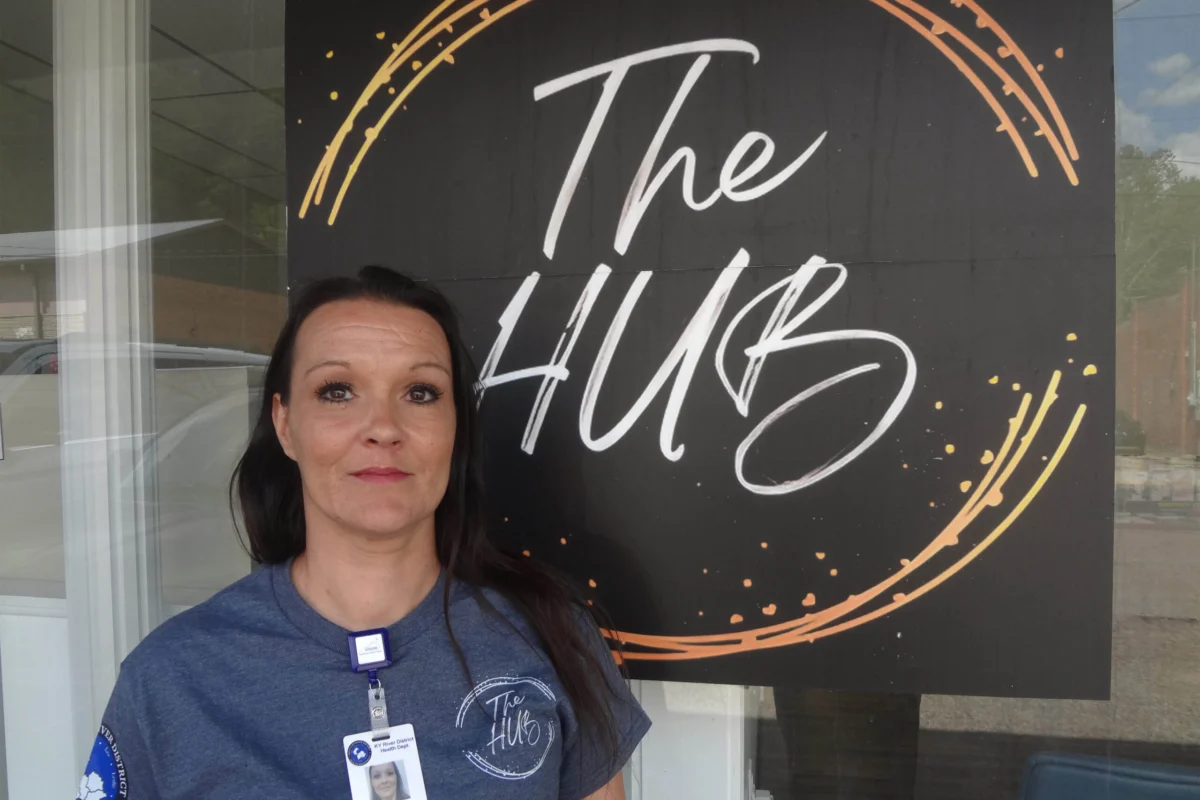
"Meeting people where they are, but not leaving them there" is the guiding principle behind The Hub, a vital program in rural Eastern Kentucky utilizing opioid settlement funds to provide comprehensive support for individuals struggling with substance use disorders and related challenges.
In the heart of Appalachia, a region grappling with the devastating and persistent effects of the opioid crisis, a beacon of hope has emerged in the form of "The Hub" initiative. This innovative program, funded by a portion of the national opioid settlement, is revolutionizing how communities in rural Eastern Kentucky address substance use disorders and the multifaceted challenges that accompany addiction. By embracing a philosophy of harm reduction and community-centered support, The Hub offers a lifeline to individuals and families, fostering recovery and rebuilding lives against a backdrop of deep-seated poverty and historical disinvestment.
The fabric of life in towns like Whitesburg, Kentucky, a community of just over 1,500 residents, has been profoundly shaped by the opioid epidemic. For individuals like Jamie Madden, the legacy of drug use and its consequences is a deeply ingrained part of her personal history. Her earliest memories are intertwined with her father’s involvement in drug trafficking, a reality that instilled in her a distorted perception of how to meet basic needs and provide for a family. "I grew up with the impression that that’s how you paid your bills," Madden recounted, her voice a testament to the generational impact of addiction. By age 16, she was dependent on pain pills, a struggle that escalated to methamphetamine by her thirties. The ensuing years were marked by immense personal loss: the loss of custody of her children, the difficult decision to place two others for adoption at birth, and periods of incarceration in both county jail and state prison.
It was at the age of 40, during a subsequent pregnancy, that Madden resolved to break the cycle of addiction. This turning point led her to discover The Hub in her hometown of Whitesburg. This program represents a critical component of Kentucky’s broader strategy to mitigate the widespread ramifications of drug misuse, leveraging hundreds of thousands of dollars from opioid settlement funds allocated to the state’s rural eastern region over the past two years.
The Hub, overseen by the Kentucky River District Health Department, functions as a network of community centers offering a spectrum of essential services. These range from peer support for those in recovery to the provision of basic necessities like canned food and sterile syringes, embodying a holistic approach to harm reduction. In April, Kentucky Attorney General Russell Coleman announced an award of $320,000 to The Hub initiative. This funding has facilitated the expansion of Hubs into four rural eastern Kentucky counties – Knott, Lee, Letcher, and Owsley. These counties are among the nation’s most impoverished, and The Hub is strategically designed to address the interconnected challenges of substance use disorders, housing insecurity, food scarcity, and unemployment. The program also extends its reach through "The Hub on Wheels," a mobile unit that delivers services directly to individuals across the district.
Further bolstering the initiative, The Hub received an additional $545,000 in 2025 from the same settlement funds, enabling its expansion from two to five counties, with a new Hub slated for Perry County. The recent $320,000 grant is specifically designated as a two-year award to develop a program focused on the reintegration of formerly incarcerated women into society. Both grants are derived from Kentucky’s substantial share, approximately $1 billion, of the $57.8 billion national settlement with pharmaceutical companies held accountable for their role in fueling the opioid overdose crisis.
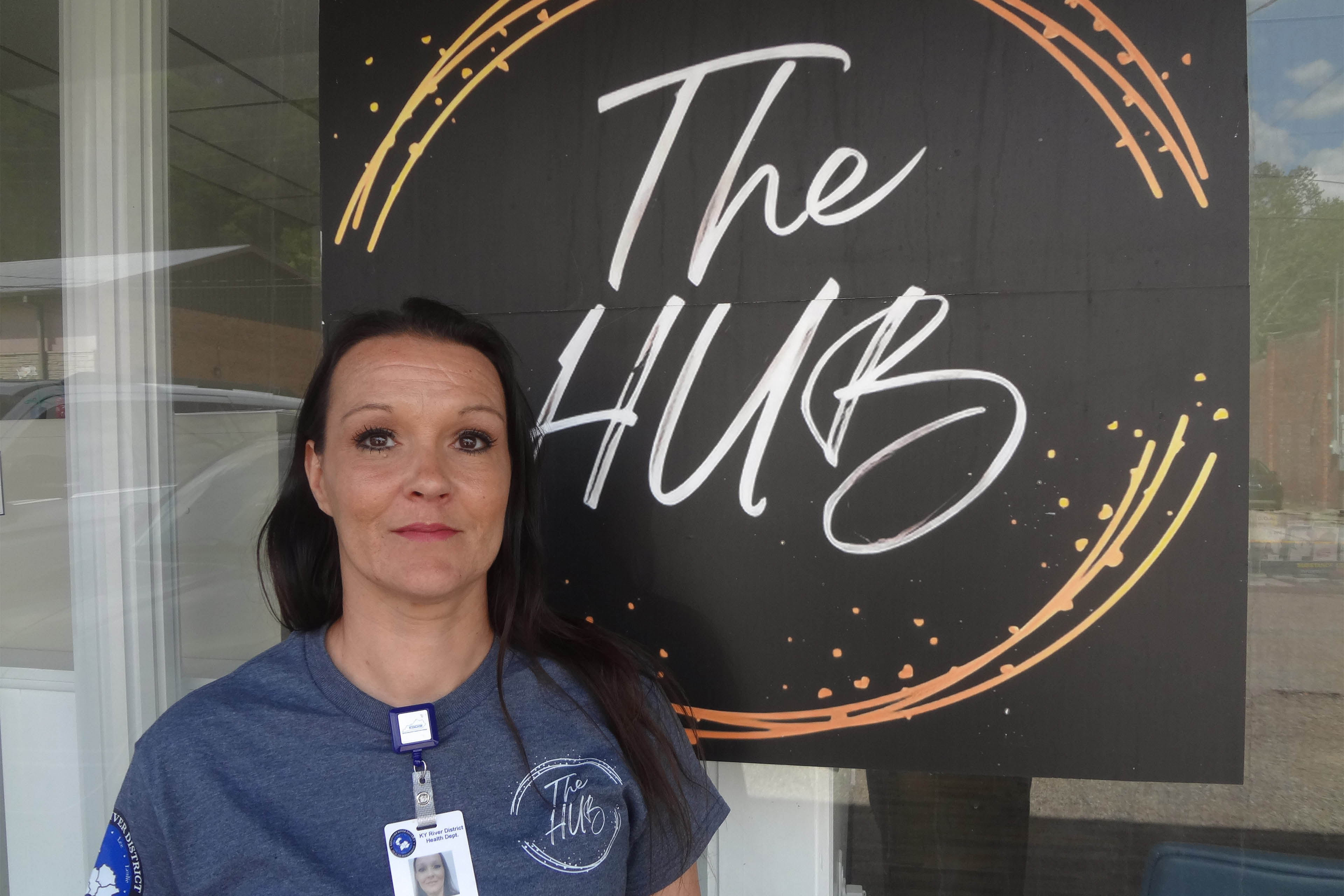
Madden strongly advocates for the efficacy of harm reduction services, citing her own life as evidence of their profound impact. The Hub has provided her with a stable foundation for her recovery journey. However, the future of such crucial initiatives faces an uncertain landscape. The Trump administration’s stance on harm reduction, outlined in a July 24 executive order, declared that federal funding would no longer be allocated to these efforts. The order asserted that discretionary grants from the Substance Abuse and Mental Health Services Administration should not be used for "so-called ‘harm reduction’" initiatives, controversially claiming they "only facilitate illegal drug use and its attendant harm." This directive has drawn sharp criticism from advocates in rural regions like Eastern Kentucky, many of which cast their ballots for President Donald Trump in recent elections. These advocates firmly believe that these services are not only beneficial but essential for community well-being.
Meeting Folks Where They Live
Whitesburg, a town known for its vibrant cultural scene, including the esteemed Appalshop media, arts, and education center, is a place its residents hold with deep pride. The Hub’s presence on Main Street, nestled among local businesses like City Hall, Hazard Coffee Company, Cut-Away Barber & Beauty Shop, and the fire station, signifies its integration into the community’s daily life. Like its counterparts, the Whitesburg Hub offers a diverse array of services tailored to the specific needs of the local population.
The inaugural Hub, established in 2022 in Beattyville, the seat of Lee County and located two hours northwest of Whitesburg, serves as a model for the program’s comprehensive approach. It provides daily meals, operates a food pantry, offers a clothing closet, and features a laundry room and computer lab. Crucially, it also dispenses life-saving medications like naloxone, which can reverse opioid overdoses, alongside drug test strips, hepatitis C treatment, sterile syringes, and wound care supplies.
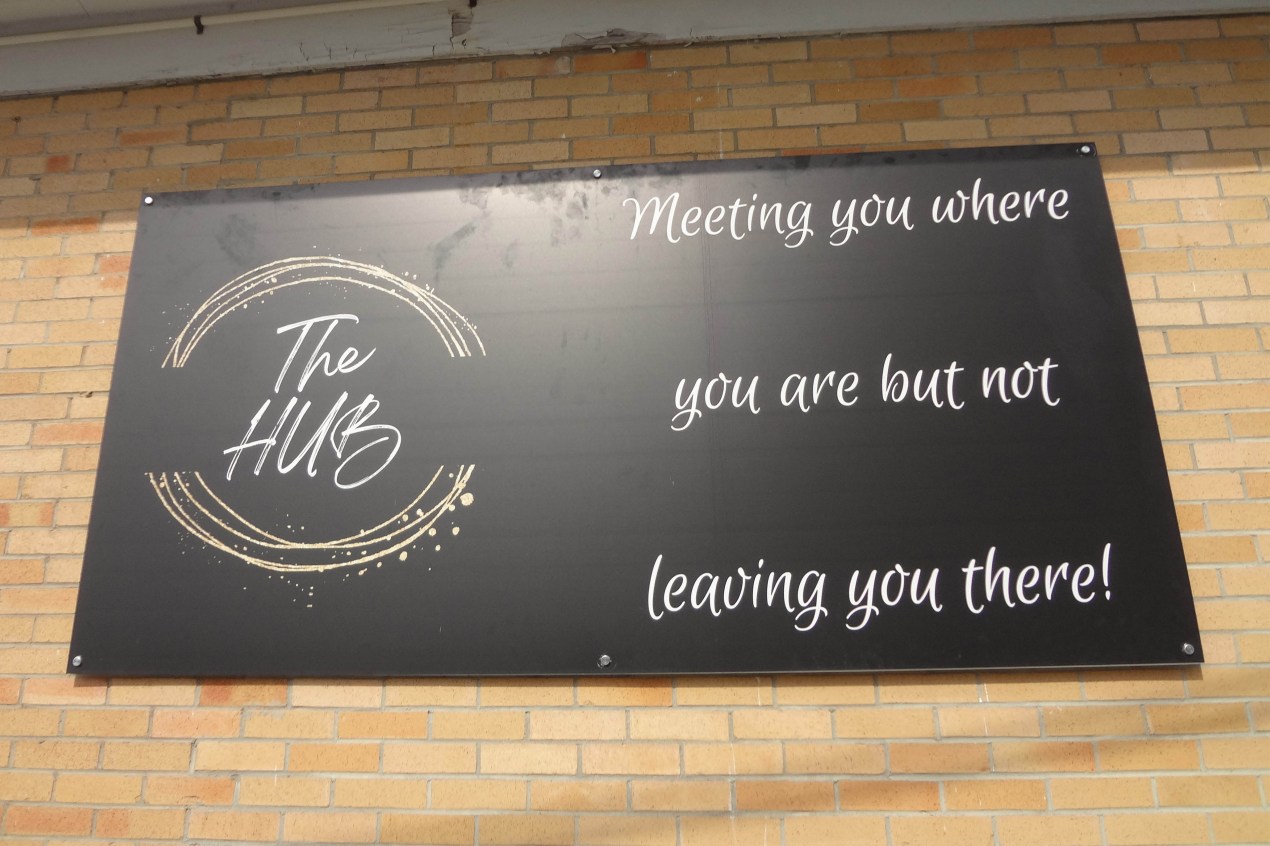
The program’s guiding motto, "Meeting you where you are but not leaving you there!", encapsulates its foundational principle of harm reduction. Harm reduction services are meticulously designed to minimize the negative consequences associated with drug use, prioritize safety, and treat individuals with dignity and respect, creating a pathway towards potential recovery. The support extends to fundamental needs such as housing, food, healthcare, and access to overdose prevention tools.
JoAnn Fraley, the harm reduction program coordinator and Hub initiative director for Kentucky River, emphasizes the interconnectedness of recovery and stability. "In order for anybody to sustain recovery, they have to have financial stability, they have to have transportation, and they have to have a home," Fraley stated. "We try to fill those gaps."
Despite criticism from some who argue that exchanging clean syringes for used ones facilitates drug use, a wealth of research contradicts this notion. Studies published in the Journal of Substance Use and Addiction Treatment indicate that participants in syringe services programs are significantly more likely to reduce their injection-drug use or achieve abstinence altogether, and are more inclined to enter and remain in treatment compared to non-participants. Furthermore, the Centers for Disease Control and Prevention reports that syringe services programs can reduce the transmission of HIV and hepatitis C by approximately 50 percent.
The effectiveness of The Hub model has been widely recognized. In 2025, the Kentucky River’s initiative was honored as one of 19 "Model of Promising Practice" award winners by the National Association of County and City Health Officials, a testament to its public health impact. Lauren Carr, who advises the Kentucky Association of Counties on the strategic allocation of opioid settlement funds, lauded The Hub’s approach. "What jazzes me about it is it’s a community approach to harm reduction," Carr remarked. "Whether that’s feeding a hungry stomach, or putting clothes on somebody’s back, or giving them clean [syringes], you’re meeting that person’s needs." She further underscored its significance, stating, "It can be that lifeline."
Paying Back for Good
The transformative power of The Hub is vividly illustrated by the personal stories of its participants and staff. Becky Todd, who leads the Beattyville Hub’s team, is a community health worker and peer support specialist. Having been released from jail in April 2024 after serving multiple sentences for drug-related charges, she found herself with nowhere else to turn and walked three miles to The Hub. Today, she is pursuing her bachelor’s degree in social work at Eastern Kentucky University, a journey she credits to the program’s unwavering support. "I could not have done it without this place," Todd shared. "It’s my saving grace."
Amber McDaniel’s experience echoes this sentiment. After more than a decade of addiction, which led to the loss of her home, children, and family support, she entered The Hub feeling utterly lost. "I didn’t know where to turn, didn’t know what to do," she recalled. "I mean, I was about to lose my mind." McDaniel is now a valued member of The Hub’s staff, employed through AmeriCorps.
Hannah Stamper, who entered foster care and began using methamphetamine at age 14, was drawn to dealing drugs by a desire to be needed. She now serves on staff as part of Recovery Corps, a program that trains AmeriCorps members for careers in the recovery field. "People today need me in a good way, and I love that," Stamper expressed, highlighting the positive shift in her sense of purpose.
JoAnn Fraley has observed a palpable shift in Lee County over the past six years. Previously, discussions about addiction and homelessness in public forums were fraught with tension, as the issues were often avoided or met with reluctance. Now, however, the community witnesses The Hub’s tangible impact. "And now they’re, like, ‘Whoa. We love you,’" Fraley reported, indicating a growing acceptance and appreciation for the program’s work.
Scott Lockard, the district’s public health director, attributes the initiative’s success to a combination of data-driven insights and anecdotal evidence, pointing to an increase in individuals entering treatment and a decline in reported communicable diseases. "I’ve been in public health for 36 years, and it’s one of the most effective interventions I’ve seen," Lockard stated, underscoring the program’s remarkable efficacy.
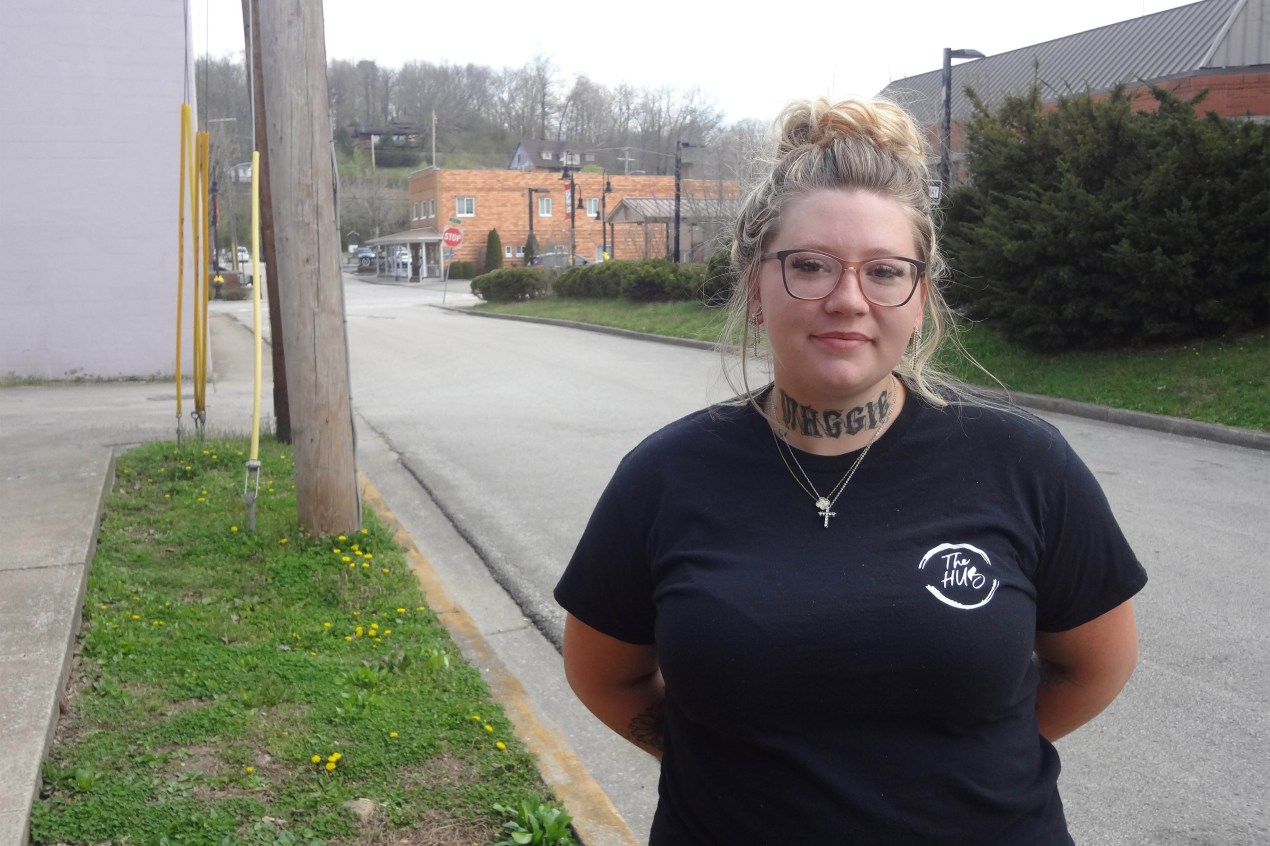
The Kentucky River team proactively engaged the community to educate them about The Hub model’s potential benefits. Fraley noted that resistance was minimal, with the primary concern being the responsible stewardship of funds. A cornerstone of their planning process has always been the inclusion of individuals with lived experience of addiction. "Their voice needs to be at every table," Fraley asserted, emphasizing the critical role of peer input in shaping effective interventions.
Lockard concurs, stressing the importance of community engagement in ensuring the wise allocation of resources. "We’ll talk to those people who are experiencing the problem, find out what they think would help them best, and then look for those evidence-based interventions," he explained.
Jannie Gatlin and Mandy Parker, both in recovery, recently participated in a crafting class at the Whitesburg Hub. Gatlin, who began using fentanyl in Colorado after the tragic death of her first son at two months old from a digestive disorder, now frequents The Hub almost daily with her toddler, Hunter. Parker, who was initially prescribed opioids for pain related to a kidney disorder, turned to street drugs when her prescription access became limited. "That’s just the nature of the beast," she observed.
Parker believes The Hub is instrumental in dismantling the stigma surrounding substance use disorder within her community. She notes that witnessing "real change happening" creates a ripple effect, demonstrating that "it makes a difference." The accessibility of The Hub on Main Street, she firmly believes, places it precisely where it needs to be to serve those most in need.
