
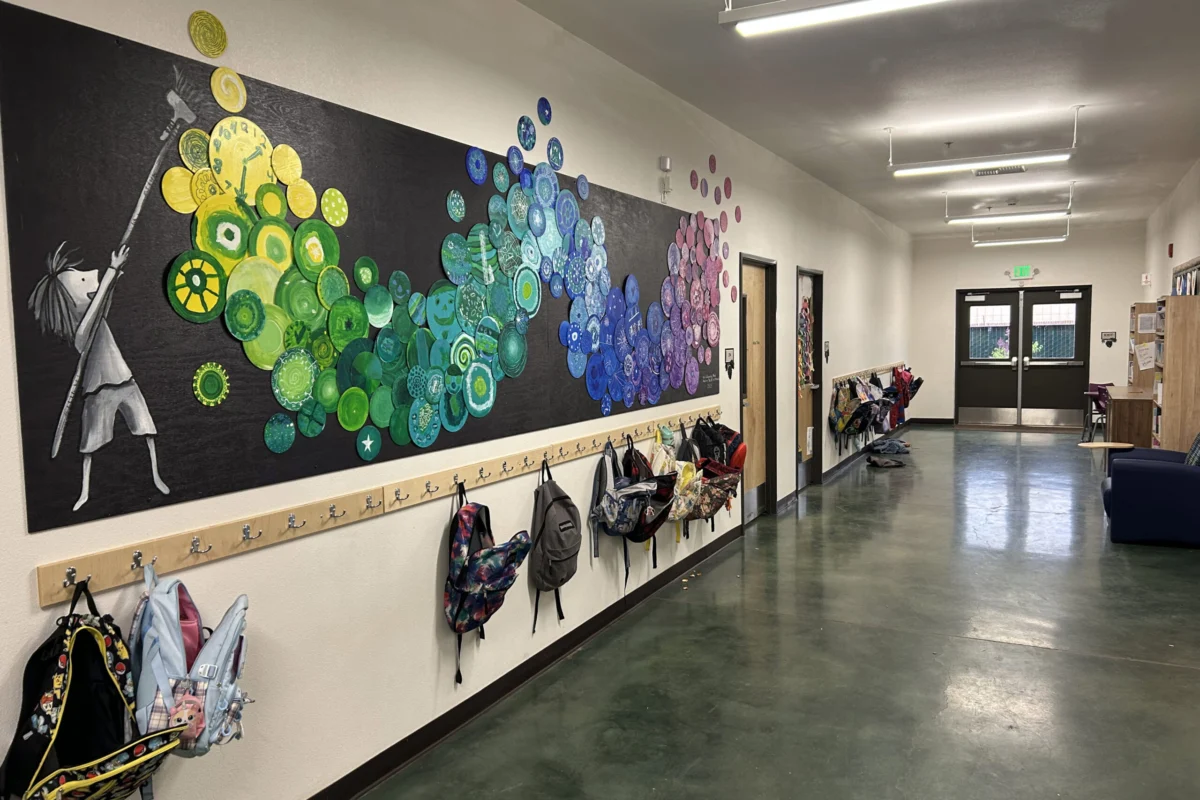
"California’s groundbreaking plan to integrate mental health services into schools is faltering in its execution, leaving many educational institutions struggling to access promised funding and provide critical care to students."
California’s ambitious initiative to bring mental health services directly into schools, a first-in-the-nation effort aimed at addressing a growing youth mental health crisis, is encountering significant obstacles in its implementation. While the state has invested substantial resources, many participating schools, particularly those in rural areas, are grappling with complex billing systems, inadequate state guidance, and prolonged delays in receiving reimbursement. This has led to frustration among educators and a concerning gap in accessible care for students who need it most. The initiative, designed to alleviate the burden on families and make mental health support more readily available, is now being scrutinized for its operational inefficiencies and its impact on the very students it was intended to serve.
The promise of Governor Gavin Newsom’s "Master Plan for Kids’ Mental Health," launched in 2021, was transformative: to embed behavioral health services within educational settings, making them accessible and destigmatized for young people. The initiative mandates that health insurance companies reimburse schools for on-campus mental health care, a policy intended to create a sustainable funding stream for services like counseling, therapy, and psychiatric support. This approach recognized that schools are a primary environment for children and adolescents, offering a unique opportunity to intervene early and provide consistent support. However, five years into the program’s rollout, a significant disconnect has emerged between the state’s vision and the on-the-ground reality for many of California’s approximately 1,000 participating public schools, community colleges, and universities.
Taletha Washburn, executive director of Plumas Charter School in Quincy, California, exemplifies the challenges faced by rural districts. Her school’s experience with the initiative, initially heralded as a potential "game changer" for their community, has been marked by a protracted and often frustrating bureaucratic process. For two years, school staff dedicated significant time to preparing for the program, attending state-led webinars, navigating complex forms, and researching electronic health record systems. Despite these efforts, Washburn reported months of waiting for state responses to their inquiries. The school finally received its first reimbursement check in April, totaling $8,000, with at least $12,000 in outstanding claims. This minimal financial return has left Washburn and her staff deeply disappointed.
Plumas Charter School’s struggle is not isolated. Data reveals that more than half of California’s school systems and colleges have not even enrolled in the billing program. Among those that have, a stark reality emerges: fewer than one-fifth had successfully filed claims as of June 1, according to the latest state data. This low participation rate and limited claim submission indicate a systemic issue in the program’s accessibility and operational effectiveness. The intended half-billion dollars in promised annual revenue to cover the salaries of thousands of mental health professionals has yet to materialize, exacerbating existing budget constraints in many school districts. This shortfall has contributed to widespread layoffs, with thousands of educators across California receiving pink slips amid local budget cuts.
State lawmaker Dawn Addis, a former special education teacher, has voiced her criticism of the program’s slow implementation, stating, "One of the things that makes people hate government is when we make a promise and then we struggle to keep that promise because we can’t get the administrative part of it up and running." Governor Newsom’s office, while declining an interview, has highlighted the initiative as "unprecedented" and asserted that "no other state in the nation has done more" to address the youth mental health crisis. He emphasized the importance of investing in mental wellness, calling it "a good investment." However, when questioned about the program’s success, the governor did not offer a direct affirmation.
Tom Insel, former head of the National Institute of Mental Health and an advisor to Governor Newsom, acknowledged the groundbreaking nature of California’s endeavor but expressed a degree of disappointment. He noted that despite the significant investment, clearer evidence of dramatic improvement has not yet materialized. "What we struggle with in California is: We spend the money, but we don’t always see the outcomes," Insel remarked. "It’s sobering to realize, especially as an advocate, that you could actually get the programs, get the money, get everything that you want from the policy side, but the execution just isn’t there."
The scale of the youth mental health crisis in California underscores the urgency of the initiative. In 2021, one in ten high school students nationwide reported attempting suicide, which had become the second-leading cause of death for young people aged 10 to 24. In response, Governor Newsom unveiled a $4.4 billion "Master Plan for Kids’ Mental Health," aiming for a comprehensive overhaul of the state’s behavioral health system. Mental health experts lauded this as the most ambitious state-level effort to combat a crisis exacerbated by the COVID-19 pandemic.
The state has channeled significant funding into various components of this plan. Approximately $730 million has been allocated to workforce development, including recruitment campaigns and student loan repayment programs for mental health professionals. An additional $220 million has been directed towards fostering partnerships between local governments and school officials. Grants totaling $381 million have been distributed to schools and community groups for facilities and services. Furthermore, the state has invested roughly $532 million in digital platforms designed to connect families with counseling and provide consultation services for primary care physicians. Another $232 million has been dedicated to state operations and program evaluations.
Despite these substantial investments, progress in expanding the school mental health workforce has fallen short of initial targets. The state has added 1,855 school counselors since 2021, according to the American School Counselor Association. This figure is considerably lower than the 10,000 counselors Governor Newsom pledged to have by the end of 2024.
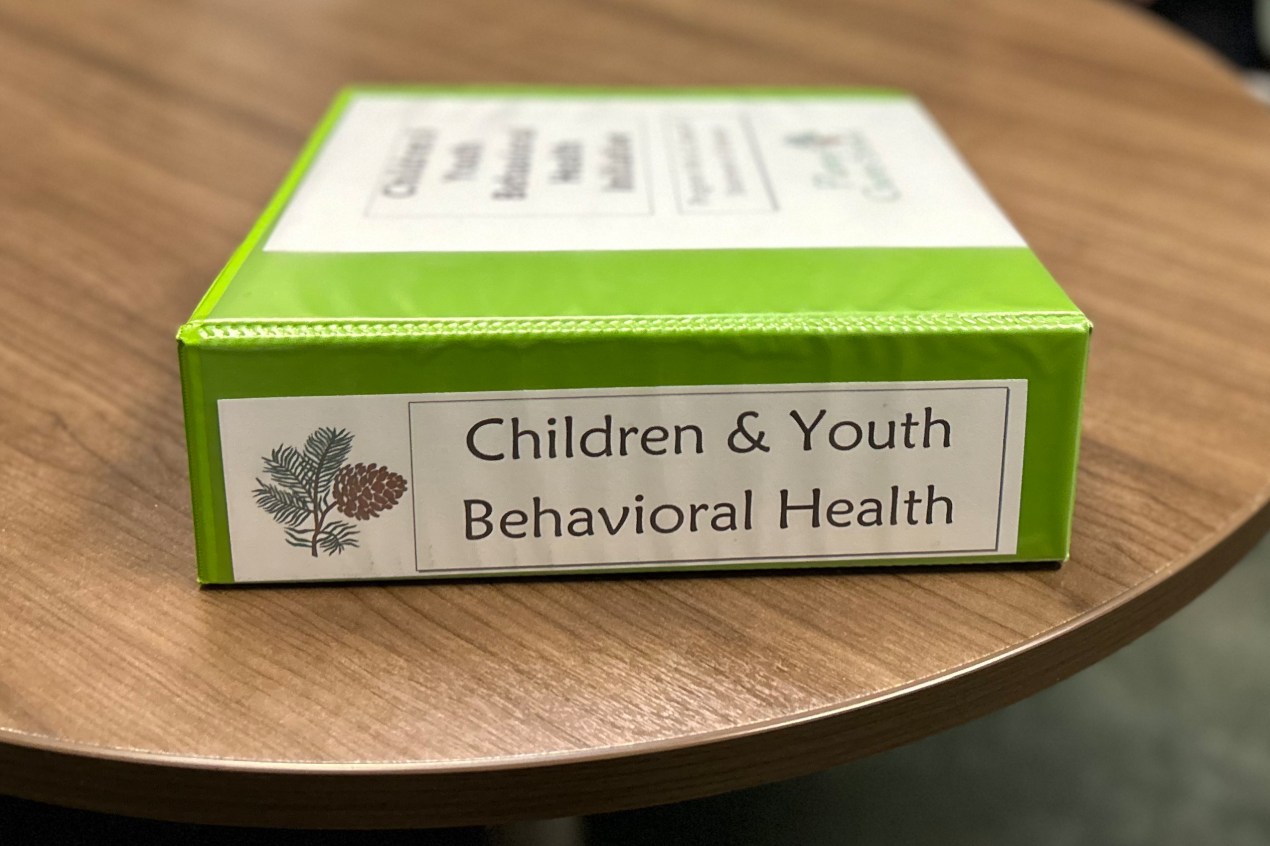
The cornerstone of Newsom’s Children and Youth Behavioral Health Initiative (CYBHI) is its flagship component focused on schools, designed to increase on-campus behavioral health services at no cost to families by enabling schools to bill health insurers. Nearly a third of the total investment, approximately $1.3 billion, has been earmarked for establishing campus wellness centers, developing new billing infrastructure, and enhancing other school-based mental health support systems.
However, the transition to medical billing has proven to be an administrative quagmire for many schools unfamiliar with its complexities. Trina Frazier, assistant superintendent of student services for the Fresno County Office of Education, described the launch of their medical billing in February 2025 as "like building the plane while flying it" during a legislative hearing. The delays were so severe that lawmakers authorized $20 million in grants to Fresno and 170 other school systems to prevent layoffs of newly hired mental health staff while they awaited reimbursements.
Some districts have achieved notable success, albeit with caveats. Anaheim Elementary School District in Orange County, lauded by state officials as a "champion" of the program, has recouped over $1.1 million since its 23 campuses began billing student insurance in February 2025. However, program specialist Shirley Diaz noted that this amount represents less than 30% of the behavioral health services the district has provided. The challenges extend beyond billing complexity. In this largely Latino district, parental reluctance to share health insurance information stems from fears of immigration raids, a concern amplified during the Trump administration.
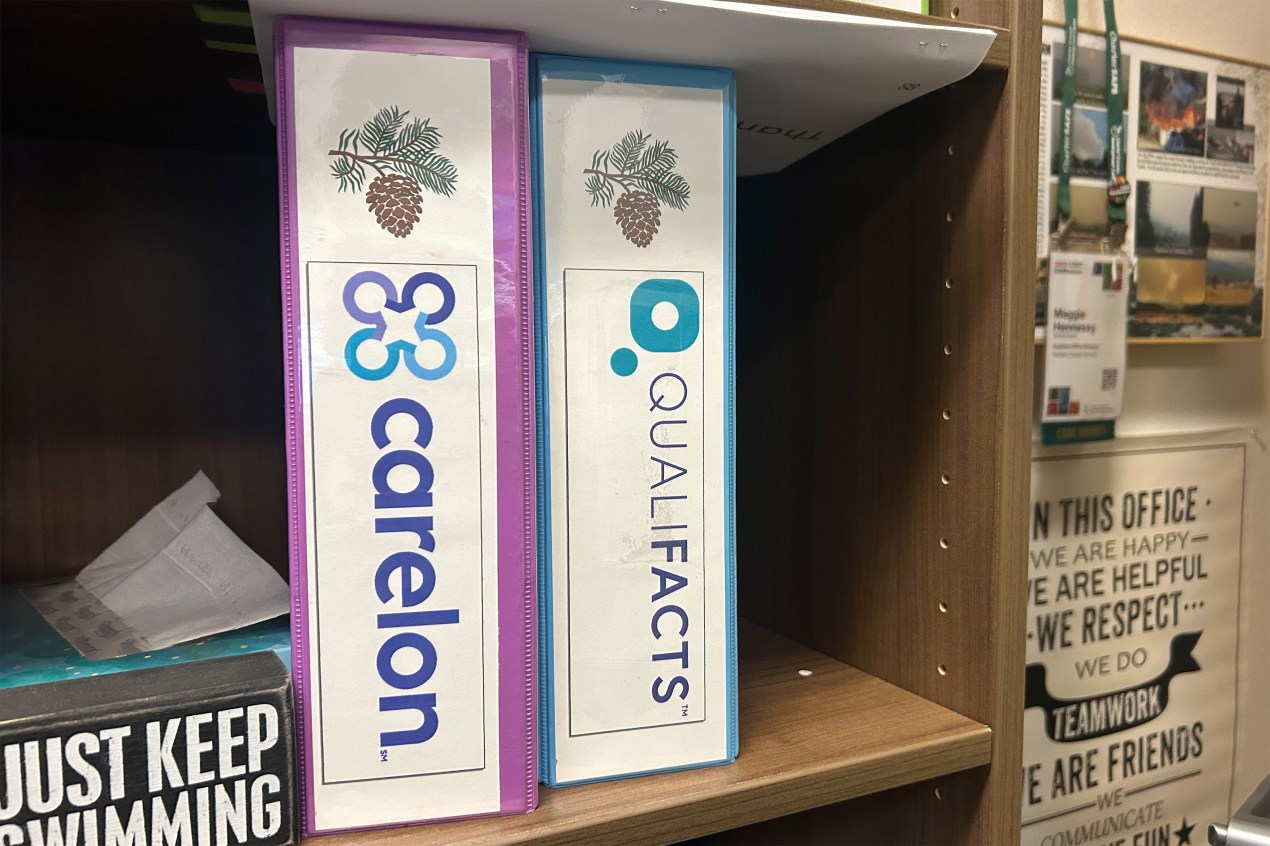
To streamline claims processing across California, the state contracted with Carelon Behavioral Health, a service operated by Elevance Health, for $65 million. Nevertheless, schools have continued to face difficulties in getting claims approved, with many expending hundreds of thousands of dollars on outside vendors to troubleshoot and manage billing. As of June 1, Carelon had approved approximately 232,100 claims totaling over $11.3 million for 186 school districts and educational agencies, according to the Department of Health Care Services (DHCS). This figure represents a fraction of the anticipated participating entities and falls far short of the $500 million per year state officials projected the program could eventually generate for school-based mental health services.
"We probably were given the impression that this was going to happen more quickly and now there’s this reality of a kind of slow growth," commented Amy Blackshaw, behavioral health project director for the California School-Based Health Alliance.
Carelon contract manager Christina Kim declined to comment, referring inquiries to the state. Autumn Boylan, deputy director of the Office of Strategic Partnerships at DHCS, stated that the department has incorporated feedback from school districts, extended claim deadlines, relaxed onboarding requirements, and conducted webinars and office hours. She emphasized that implementing changes of this magnitude requires time. "We’re trying to help the school districts increase their scale," Boylan informed lawmakers at a May 4 hearing. "It’s not a problem of claims being submitted and not paid. It’s a problem of claims not yet being submitted for payment." Boylan did note that the volume of reimbursements has increased significantly since the first claims were filed in November 2024.
Meanwhile, the need for mental health services among California’s youth remains acute. In 2024, nearly 14% of individuals aged 12-17 reported delaying or skipping mental healthcare due to an inability to secure an appointment. Furthermore, one in four teens cited cost as a barrier, an increase from approximately 6.5% the previous year, according to data from the California Health Interview Survey. While the rate of young adults aged 18-24 who have seriously considered suicide has stabilized, it remains higher than pre-pandemic levels. The annual survey also indicated that while the suicide rate among Californians aged 12-25 has declined from its 2021 peak, mirroring national trends, rates for female and Black youth actually increased from 2023 to 2024.
"We have to have high expectations that when we invest in the magnitude of billions as this program did, we would have results to show," stated Assembly member David Alvarez, a Democrat from San Diego.
Other states are observing California’s implementation challenges, with some adopting more targeted strategies rather than the comprehensive, multi-faceted approach California initially pursued. For instance, Illinois has focused on universal mental health screenings for schoolchildren, while Colorado has expanded coverage for certain behavioral health services for youth lacking a formal diagnosis. Sharon Hoover, formerly co-director of the National Center for School Mental Health at the University of Maryland, noted that "It’s always hard to be first, and someone has to be brave enough and hopeful enough to take that leap." Hoover suggested that launching the reimbursement program before a robust billing infrastructure was in place, while generating momentum, also created significant hurdles for school districts and providers. Nonetheless, she views Governor Newsom’s emphasis on prevention and early intervention as a pivotal national policy shift.
Alex Briscoe, a principal at the nonprofit Public Works Alliance who has advocated for systemic reform in children’s mental health, believes that the initiative will be viewed historically as a progressive action. "We spent a significant amount of money preparing for it. I just don’t think we did that very well or strategically," Briscoe commented.
The challenges are particularly pronounced for rural schools like Plumas Charter. In the fall of 2021, students at Plumas Charter faced a confluence of traumas: wildfires, COVID-19 lockdowns, and the tragic car accident that claimed a classmate’s life and severely injured two others. Teachers observed escalating signs of depression, anxiety, and frequent behavioral outbursts among their K-12 students, with nine reporting suicidal ideation that year. In response, the school hired a full-time therapist and a wellness coach using temporary federal funds.
For senior Will Coelho, who arrived in Quincy a year later, the impact of these events and his own personal losses were profound. He had grappled with grief following a friend’s death in a murder-suicide just before the pandemic lockdowns. His stepfather’s escalating violence and a contentious custody battle led him to move to Northern California. Finding solace and support, Coelho began seeing the school therapist weekly, on campus and free of charge. "It has had a large impact on the way I process emotions and my outlook on life," he shared.
However, securing the long-term funding for such essential services remains a significant concern for school officials. Plumas Charter’s application to the state’s reimbursement program was rejected twice, with officials citing insufficient systems for billing private insurers and collecting student insurance information. When school staff encountered difficulties filing claims online, Washburn reported that state officials suggested submitting paper claims instead. This experience has led Washburn to believe the program is not designed for small, rural districts where administrative roles are often consolidated.
Tony Cava, a spokesperson for DHCS, acknowledged that many charter schools are small and may not be expected to participate, noting that while charter schools constitute about half of eligible entities, they serve only 12% of California students. Lawmakers representing rural districts, however, argue that the program should be universally accessible. Assembly member Addis proposed legislation earlier this year to provide intensive technical assistance to school officials needing support. Despite these efforts, Washburn remains uncertain if Plumas Charter will generate enough revenue to sustain their therapist’s salary, stating, "In theory, this should be a good program. We’re too small, and our funds are too limited to just keep waiting."
