
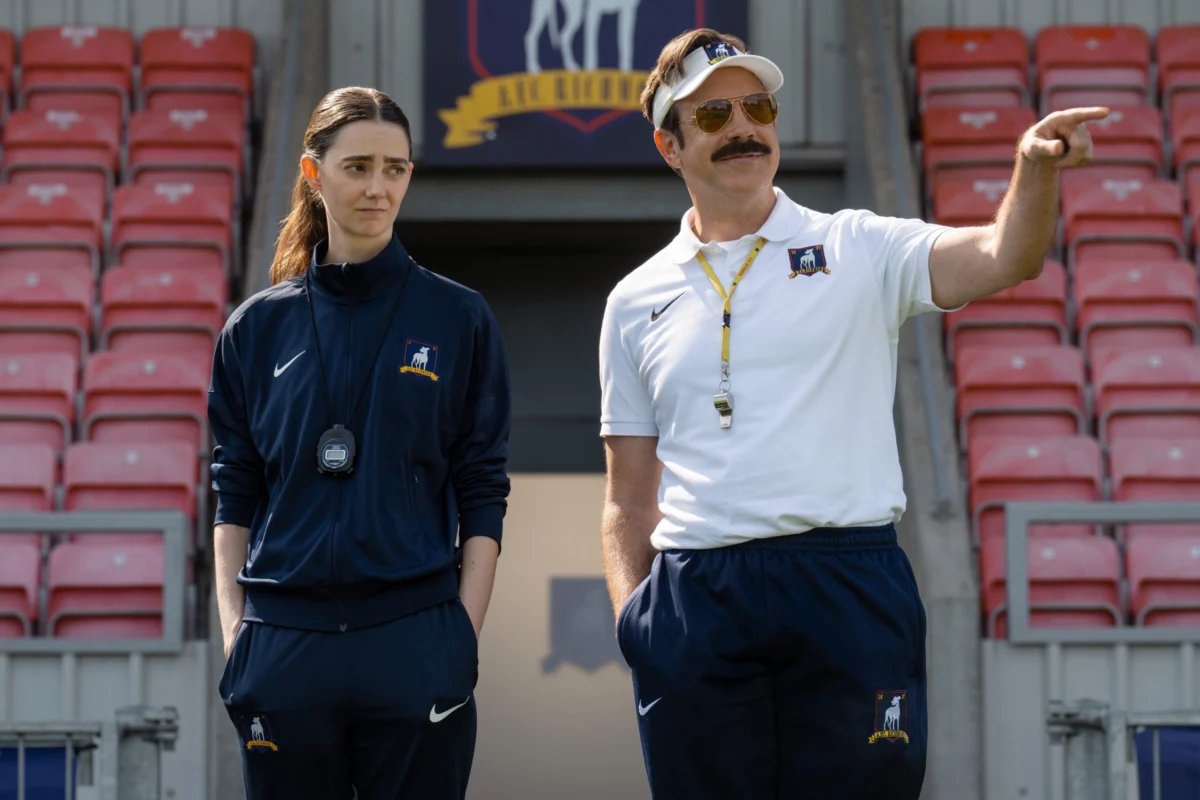
"The return of Ted Lasso signals a transformative shift in sports narratives, moving beyond the traditional underdog story to explore the untapped potential and unique dynamics of women’s professional athletics."
The revival of Apple TV+’s flagship comedy, Ted Lasso, marks a significant departure from its original conclusion, challenging the notion that a story’s end is ever truly final. By pivoting from the male-dominated Premier League to the burgeoning world of women’s football, the series seeks to apply its signature "Lasso Way"—a philosophy rooted in emotional intelligence, radical empathy, and mental health awareness—to a new frontier. This transition reflects both a creative evolution for the show’s creators and a response to the real-world surge in visibility and support for women’s sports globally.
The Philosophy of the "Second Half"
Yogi Berra, the legendary Hall of Fame catcher and manager, famously observed that "it ain’t over ’til it’s over." While Berra was speaking of the unpredictable nature of baseball, his words have become a governing principle for the trajectory of Ted Lasso. When the third season concluded in 2023, it appeared the narrative arc of Ted Lasso—the mustachioed, Kansas-born optimist played by Jason Sudeikis—had reached its logical terminus. Ted had successfully navigated the complexities of English football, dismantled the toxic hierarchies of AFC Richmond, and returned home to Kansas to be with his son.

However, the "end" of the series proved to be merely a halftime. The decision to return for a fourth season less than five years later suggests that the themes the show explores—vulnerability, leadership, and the power of the collective—are not bound to a single locker room or a specific gender. The return of the series acknowledges a fundamental truth in both sports and storytelling: just because a chapter feels closed does not mean the book is finished.
A New Mission: The AFC Richmond Women’s Team
Season 4 introduces a premise that is both a return to form and a bold new direction. Ted Lasso is lured back to his old stomping grounds at Nelson Road, but not to manage the men’s side. Instead, he is tasked with leading a newly formed AFC Richmond women’s team. This narrative shift allows the show to tackle the world of women’s sports with the same earnestness and humor that defined its first three seasons.
The choice to focus on a women’s team is not merely a plot device; it is a reflection of the current cultural zeitgeist. In recent years, women’s football (and women’s sports at large) has experienced a monumental rise in viewership, sponsorship, and professionalization. By placing Ted in this environment, the series explores the nuances of coaching a different demographic while maintaining the core values of the "Lasso magic." The fourth season examines what happens when a coach known for rejecting toxic masculinity is placed in a space where the challenges are often systemic rather than individual, ranging from pay equity to the historical lack of investment in women’s facilities.
Jason Sudeikis and the Advocacy of Women’s Athletics
Jason Sudeikis, the show’s star and co-creator, has long been a vocal proponent of women’s sports. His frequent appearances at WNBA games and his public support for female athletes underscore a genuine interest in the subject matter that Season 4 brings to the forefront. For Sudeikis, the transition to a women’s team provides a fresh canvas to explore the ensemble dynamics he finds so compelling.

"I think sports are great metaphors for family, for ensemble," Sudeikis noted in a 2021 interview with Men’s Health. "When you have different people with perhaps different goals, sometimes they’re in opposition, sometimes they’re in harmony, and trying to get a group of people all facing the same direction, and rowing at the same time, in the same way, is challenging. And in those challenges there’s a lot of opportunity for comedy and drama."
By applying this philosophy to the women’s team, Sudeikis and the writing team are able to highlight the specific hurdles faced by female athletes while reinforcing the universal truth that a team’s success is predicated on its emotional health.
The Lasso Effect: Mental Health and Emotional Intelligence
One of the most enduring legacies of Ted Lasso is its destigmatization of mental health struggles, particularly among men in high-pressure environments. In Season 4, this focus remains central but adapts to its new context. The show continues to prioritize the internal lives of its characters over their performance on the pitch.
The "Lasso Way" has always been about more than winning games; it is about the development of the individual. In the context of the women’s team, this means addressing the unique pressures that female athletes face, including the weight of being pioneers in a sport that is still fighting for the same level of institutional respect as its male counterpart. The series maintains its commitment to being a "feel-good" show, providing 30 to 50 minutes of weekly respite that emphasizes kindness and resilience.

Production and Visual Storytelling
The visual language of Season 4 continues the high standards set by previous iterations. Photographer Michael Becker’s work on set captures the vibrant, often chaotic energy of the Richmond locker room, translating the emotional stakes of the script into compelling imagery. The production values remain cinematic, a hallmark of Apple TV+’s investment in its most successful Emmy-winning property.
The series also maintains its clever use of sports metaphors to mirror real-life events. Just as the New York Knicks’ fictionalized comeback in the 2026 NBA Finals serves as a backdrop for the show’s themes of perseverance, the on-field action of the AFC Richmond women’s team serves as a stage for the characters to work through their personal and professional obstacles.
Release Schedule and How to Watch
Season 4 of Ted Lasso consists of 10 episodes, rolling out on a weekly basis. In keeping with Apple TV+’s standard release strategy, new episodes officially premiere on Wednesdays, though they typically become available to stream on the evening of the preceding Tuesday. This "early" release has become a ritual for the show’s dedicated fanbase, allowing for immediate social media discourse and community engagement.
The season began its run on August 5 with the episode titled "Home," which saw Ted’s return to London and the initial assembly of the women’s squad. Subsequent episodes have delved into the growing pains of the new team and the comedic friction of Ted adjusting to a different set of professional expectations.

Season 4 Release Calendar:
- Episode 1, “Home” – August 5
- Episode 2, “Curioser and Curioser!” – August 12
- Episode 3, “Richmond’s Got Talent” – August 19
- Episode 4, “Greyhound’s Day Off” – August 26
- Episode 5, “Riches of Embarrassment” – September 2
- Episode 6, “Don’t Jump Around Much Anymore” – September 9
- Episode 7 – September 16
- Episode 8 – September 23
- Episode 9 – September 30
- Episode 10 – October 7
The Enduring Legacy of the Mustachioed Mensch
As the fourth season progresses, it is clear that the "Lasso magic" remains intact. The show’s ability to balance humor with profound emotional honesty has allowed it to transcend the typical boundaries of a sports comedy. By focusing on a women’s team, the series not only expands its own universe but also contributes to a broader cultural conversation about representation and the importance of supportive leadership.
For viewers, Ted Lasso continues to serve as a reminder that empathy is a strength, not a weakness. Whether Ted is coaching a Premier League veteran or a rising star in the women’s game, his mission remains the same: to help those around him become the best versions of themselves. As the season continues through October, fans can expect more of the warmth, wit, and wisdom that have made Ted Lasso a modern television icon. In the end, the show proves that while a season may conclude, the impact of a good leader—and a good story—never truly ends.
