
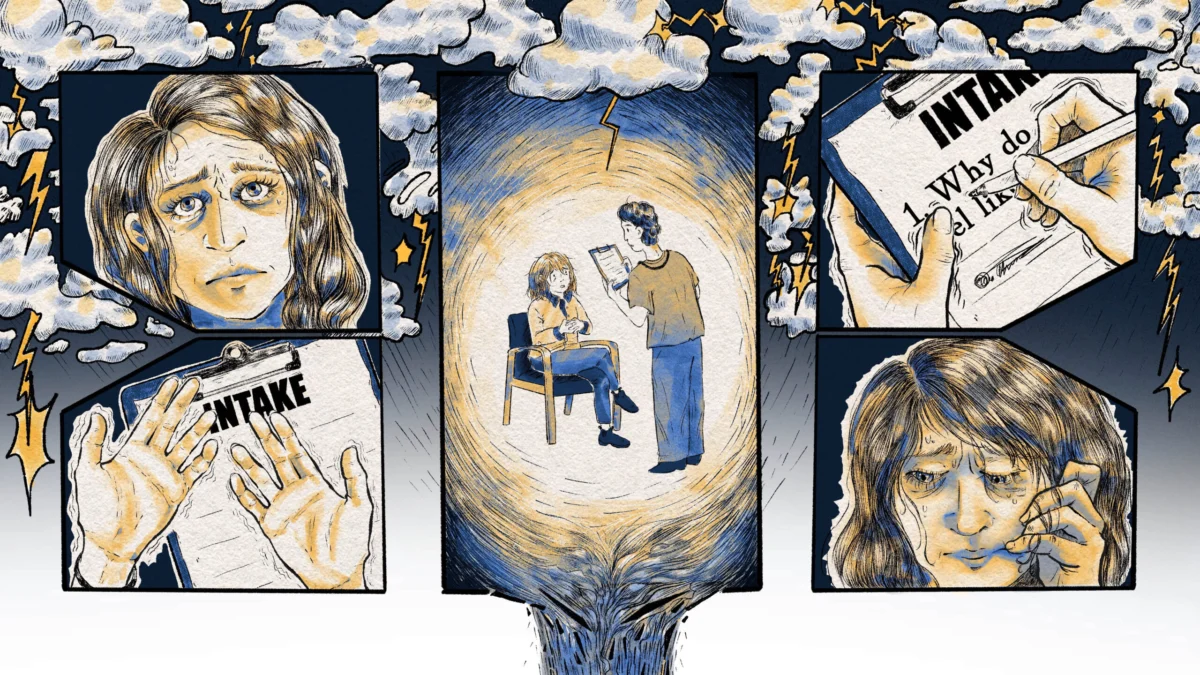
"The promise of mental healthcare has been shattered by a critical deficit in inpatient psychiatric beds, leaving individuals in acute distress without the immediate care they desperately need. This systemic failure, rooted in decades of policy shifts and underfunding, forces a tragic trade-off between suffering in silence or navigating an overwhelmed and often inaccessible system."
The United States is grappling with a profound crisis in mental healthcare, marked by a severe and persistent shortage of inpatient psychiatric beds. This deficiency leaves individuals experiencing mental health emergencies in a precarious position, often waiting for days or even weeks for access to essential care. The implications of this gap are far-reaching, impacting not only the individuals directly affected but also their families and society at large. As demonstrated by personal accounts, the journey to receiving psychiatric treatment has devolved into a desperate search for a bed, highlighting a systemic breakdown that demands urgent attention and comprehensive solutions.
Eight days before her 33rd birthday, the author found herself in a crisis clinic near Denver, involuntarily placed on a 72-hour mental health hold due to being deemed an imminent danger to herself. What followed was not immediate treatment, but a harrowing odyssey of searching for an available inpatient psychiatric bed. Clinic staff contacted numerous hospitals with psychiatric units, only to be met with the ubiquitous response: "no beds available." Consequently, the author was confined to a recliner in the 24/7 clinic, her mind adrift in a disassociated haze, sleep coming only in fragmented bursts. This personal experience serves as a stark illustration of a national crisis that has been building for decades.

The roots of this critical shortage can be traced back to the mid-20th century. Following the development of antipsychotic medications and a growing understanding of the ethical concerns surrounding large, often inhumane, state-run asylums, the United States embarked on a path of deinstitutionalization. The aim was to shift mental healthcare from large institutions to community-based settings. This movement, bolstered by President John F. Kennedy’s 1963 Community Mental Health Act, led to the closure of many state hospitals and a dramatic decline in the number of available psychiatric beds. While these policies were often well-intentioned, aiming to improve the lives of individuals with mental illness and integrate them into society, they inadvertently created a vacuum in inpatient psychiatric care.
Further exacerbating the situation, a policy enacted two years after the Community Mental Health Act prohibited federal Medicaid funds from covering inpatient psychiatric care in facilities with more than 16 beds. The stated goal was to encourage the development of smaller, community-based treatment centers. However, this effectively capped the size of facilities that could receive significant federal reimbursement, hindering the expansion of necessary inpatient capacity.
The consequences of these policy shifts have been profound and far-reaching. Research from 2025 indicates a significant drop in the number of hospitals offering inpatient psychiatric units between 2011 and 2023. According to a separate study from the same year, the United States now possesses only 28.4 inpatient psychiatric beds per 100,000 people, a ratio that falls far short of the 60-bed ratio frequently cited by researchers as an optimal level for adequate care. This stark deficiency has led to what the American Psychiatric Association terms a "crisis." Emergency rooms are overwhelmed with individuals suffering from severe mental health conditions, inpatient stays are often prematurely shortened to expedite bed turnover, and acutely ill individuals are left without the critical care they require.
The author’s personal narrative underscores the systemic fragmentation. Before her own involuntary commitment, she had witnessed the struggles of her wife navigating the fractured mental healthcare system, marked by lengthy waitlists, outpatient programs stretched beyond their limits, and a scarcity of inpatient psychiatric care so acute that access often hinged on surviving a crisis severe enough to warrant it. Tragically, her wife died by suicide after their separation, a loss that undoubtedly amplified the author’s own vulnerability to anxiety and grief, eventually pushing her from an observer to a patient.
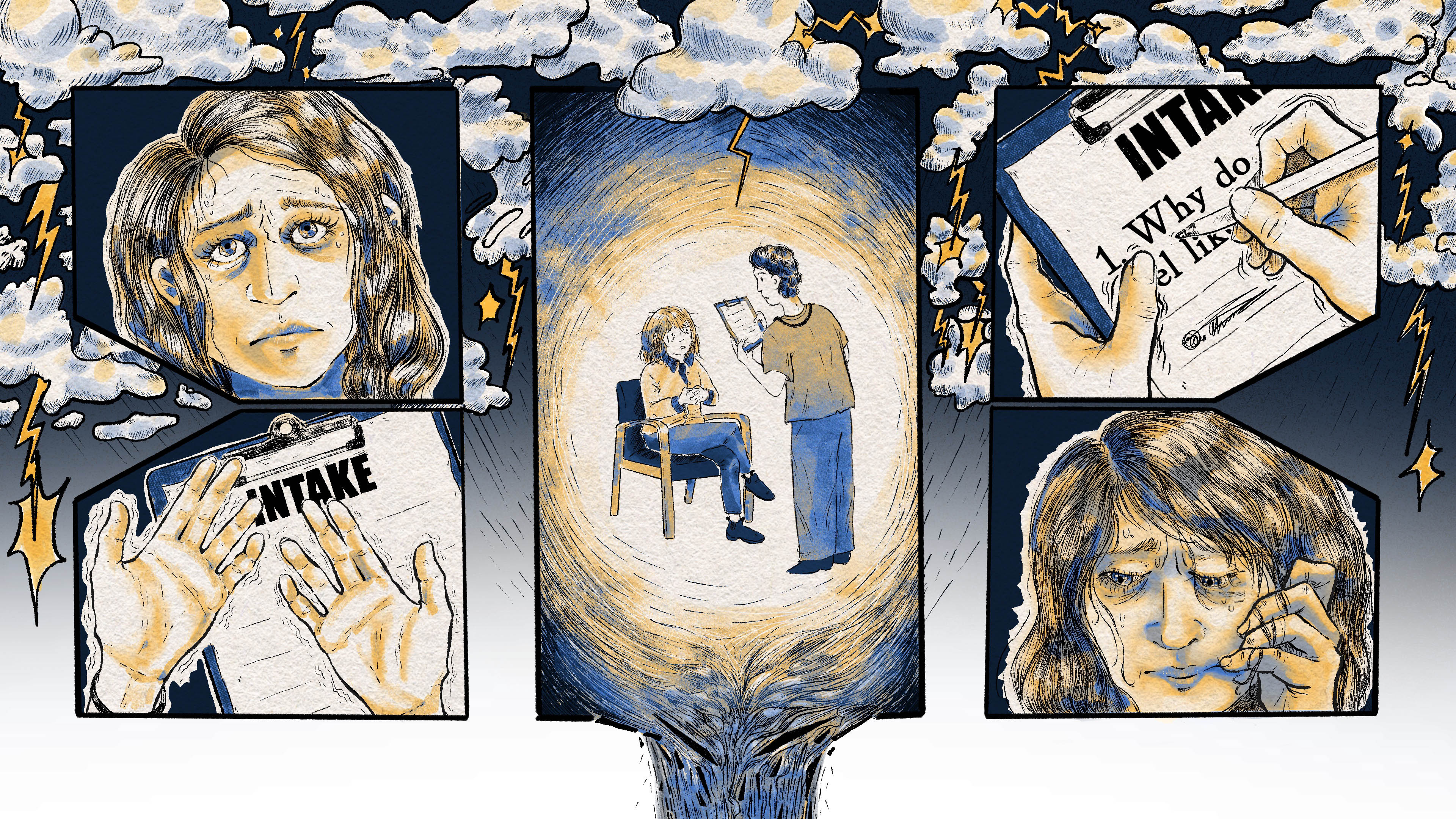
Upon waking at the crisis clinic, disoriented and groggy, the author found herself in a bathroom with a door that deliberately could not latch, allowing staff to enter in emergencies. Standing at the sink, the running faucet seemed to mirror her own struggle to process how she had arrived at this point. The clinic’s history is intertwined with America’s complex approach to mental illness. The 19th and 20th centuries saw a transition from jails and poorhouses to state asylums, initially promising "moral treatment" but often devolving into overcrowded institutions for the impoverished. The number of psychiatric hospitals and beds surged during this period, peaking in 1955 at over half a million. However, the subsequent deinstitutionalization movement, coupled with the advent of antipsychotics and the push for community-based care, led to a dramatic reduction in inpatient capacity. An estimated 61,000 inpatient psychiatric beds for adults and children remain in a country where over 14 million individuals experience severe mental illness annually.
The repercussions of this bed shortage are dire. People with severe mental illnesses are frequently compelled to "board" in emergency departments, waiting for an available inpatient bed. Research by the Treatment Advocacy Center, an organization dedicated to eliminating barriers to treating severe mental illness, reveals that the length of stay in state psychiatric hospitals is shrinking while readmission rates are simultaneously rising. Alarmingly, some individuals with mental illness languish for months, or even years, in jail, a stark indicator of the system’s failure to provide appropriate care.
During the intensification of the behavioral health crisis between 1986 and 2014, mental health expenditures in the U.S. escalated from $32 billion to $186 billion. However, the proportion of this spending allocated to inpatient care significantly declined, falling from 42% to 27%. This period also witnessed major policy shifts, including the 1999 U.S. Supreme Court decision in Olmstead v. L.C., which mandated that states provide home and community-based services to individuals with developmental and mental disabilities, further shifting care away from psychiatric facilities. Leslie Carpenter, legislative advocacy manager at the Treatment Advocacy Center, aptly summarized the paradox: "The road to hell is paved with good intentions." Many well-intentioned legislative efforts, like the Community Mental Health Act, have ultimately led to adverse consequences for those requiring inpatient psychiatric care.
The author’s experience at the crisis clinic continued to be defined by the search for a bed. The day after her hold began, a staff member informed her that hospitals across the region were still being contacted. The search persisted, a testament to the ongoing systemic challenge.
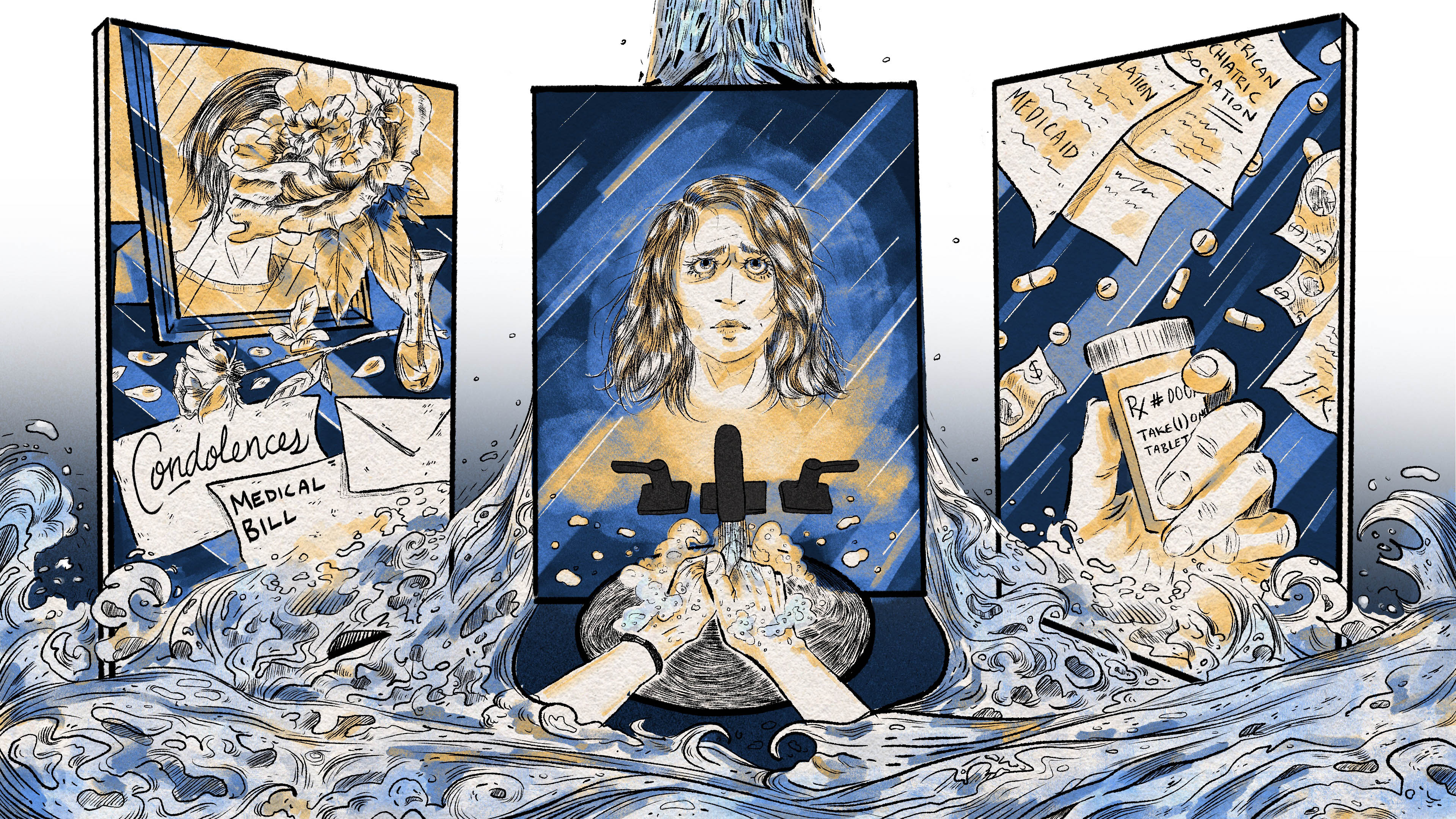
The economic implications of addressing this crisis are substantial. In the previous year, members of Congress introduced two bills, the "Repealing the Institution for Mental Diseases Exclusion Act" and the "Michelle Alyssa Go Act," aimed at raising the 16-bed Medicaid funding cap for inpatient psychiatric facilities to 36 beds. Both bills have stalled in the House. The Congressional Budget Office estimates that eliminating the 16-bed limit would increase Medicaid expenditures by $33.5 billion between 2024 and 2033. State Senator Judy Amabile of Colorado, whose son has schizoaffective disorder, observes, "No one wants to pay for any of this care that people need."
In the absence of comprehensive federal action, states are attempting to bridge the gaps. Colorado, along with 15 other states and Washington D.C., now operate under waivers that allow Medicaid to fund inpatient mental health facilities with more than 16 beds, according to KFF data. Seven additional states have pending waiver requests. A 2025 study suggests that these waivers may be associated with a reduction in hospitalizations, emergency department visits, and incarcerations among adults with serious mental illness.
However, even local efforts to expand mental healthcare infrastructure face significant opposition. In states like California, Colorado, Iowa, Missouri, Nebraska, and New York, community members have voiced concerns against proposed psychiatric facilities for minors, citing fears of decreased safety and property values. Behavioral health advocates counter these arguments, asserting they are rooted in pervasive stigma. While a proposed psychiatric facility in Colorado was ultimately approved, the state’s inpatient bed ratio of nearly 20 per 100,000 residents ranks 24th nationwide, according to 2022 data from the Treatment Advocacy Center. Wyoming leads the nation with 47.3 beds per 100,000, though its small population limits the total number of beds. Minnesota ranks last with a mere 4.3 inpatient beds per 100,000 residents.
Beyond increasing inpatient capacity, mental health advocates are also emphasizing the need for enhanced community-based supports. These include services like peer support specialists and clubhouses, which offer individuals with serious mental illnesses opportunities to develop life skills and foster a sense of community.
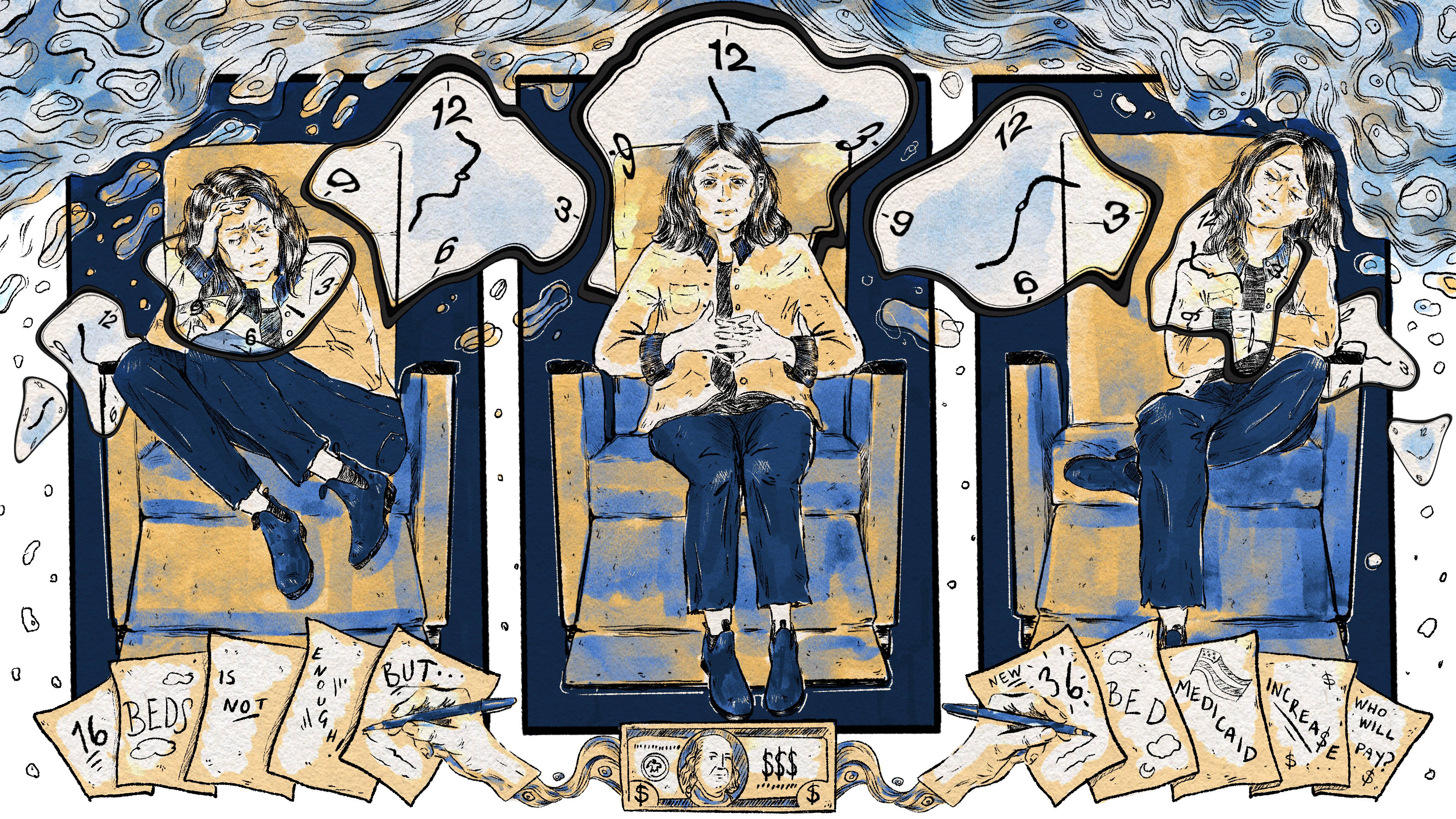
Against this backdrop, the author experienced a rare stroke of luck. At noon on the day after her hold began, a bed became available at a Denver hospital – a fortunate outcome in a system where many endure waits of days or weeks. Transferred by ambulance at 3 p.m., she had spent 21 hours in the crisis clinic before reaching a psychiatric hospital. Two days later, on her final day at the hospital, as she awaited discharge papers, she encountered another patient. When asked if she was leaving, she replied affirmatively. The man, who was being admitted, revealed it was his third hospitalization in a year. With a handshake and a wish of "good luck," the author walked out, a survivor of a system desperately in need of repair.
