
"Healthcare workers are seven times more likely to be injured on the job due to violent acts than the general working population, fueling widespread strikes and calls for improved safety measures across the nation."
The escalating rate of workplace violence against healthcare professionals is no longer an isolated incident but a pervasive crisis. From nurses enduring physical assaults to mental health workers facing brutal attacks, the frontline of healthcare has become increasingly dangerous. This alarming trend has ignited a wave of labor actions, with nurses and other healthcare staff across multiple states organizing strikes to demand better working conditions, adequate staffing, and enhanced safety protocols. While hospitals are implementing some security measures, the fundamental disagreement over the root causes and solutions—whether economic or safety-driven—highlights a deep divide between labor and management, with patient care and staff well-being hanging in the balance.
Nurse Crystal Dhooghe, an emergency room professional at Henry Ford Genesys Hospital in Grand Blanc, Michigan, finds herself increasingly desensitized to the graphic realities of her profession, yet the violence directed at her colleagues has become a deeply personal concern. "I’ve seen nurses get shoved, pushed, scratched. The biggest one is bitten," she shared, detailing the unsettling frequency of assaults she has witnessed firsthand. This pervasive threat within the healthcare setting has been a significant catalyst for recent labor disputes, including strikes in states such as Louisiana, New York, Pennsylvania, Rhode Island, and Michigan. Dhooghe herself has been on the picket line since Labor Day of the previous year, subsisting on strike benefits and supplementary work at other facilities. Her sentiment, "It’s the same everywhere I go," underscores the systemic nature of the problem, suggesting that the challenges faced at her hospital are not unique but are replicated across the industry.
The escalating prevalence of workplace violence in healthcare is not merely anecdotal; it is a documented national epidemic. Henry Ford Health spokesperson Dana Jay acknowledged this, stating that the health system is implementing measures such as metal detectors, armed security officers authorized for misdemeanor arrests, and de-escalation training. Jay asserted a "zero tolerance for violence of any kind" but controversially characterized the ongoing strike as "simply an economic strike" rather than a safety concern. This framing has drawn criticism from healthcare workers who view safety as intrinsically linked to their compensation and staffing levels.
Data from the Bureau of Labor Statistics paints a stark picture: hospital workers are seven times more likely to be injured on the job due to violent acts compared to the general working population. This alarming statistic fuels the ongoing tension between healthcare workers’ demands for better compensation and staffing, and hospital administrators’ pressure to control costs. The industry finds itself at a critical juncture, where the human cost of understaffing and inadequate safety measures is becoming increasingly apparent.
The severity of these incidents has even permeated popular culture, with television series like "The Pitt" dramatizing the violent realities faced in emergency rooms. Rachel Odes, an assistant professor at the University of Wisconsin-Madison School of Nursing, describes emergency departments as "a powder keg," highlighting the volatile environment that healthcare professionals navigate daily. The term "code gray" is used within hospitals to denote a combative or violent patient, a situation that can arise spontaneously and unpredictably, making prevention a formidable challenge. Research consistently indicates that the risk of such violent outbursts escalates significantly in environments plagued by understaffing and insufficient training or experience among employees.
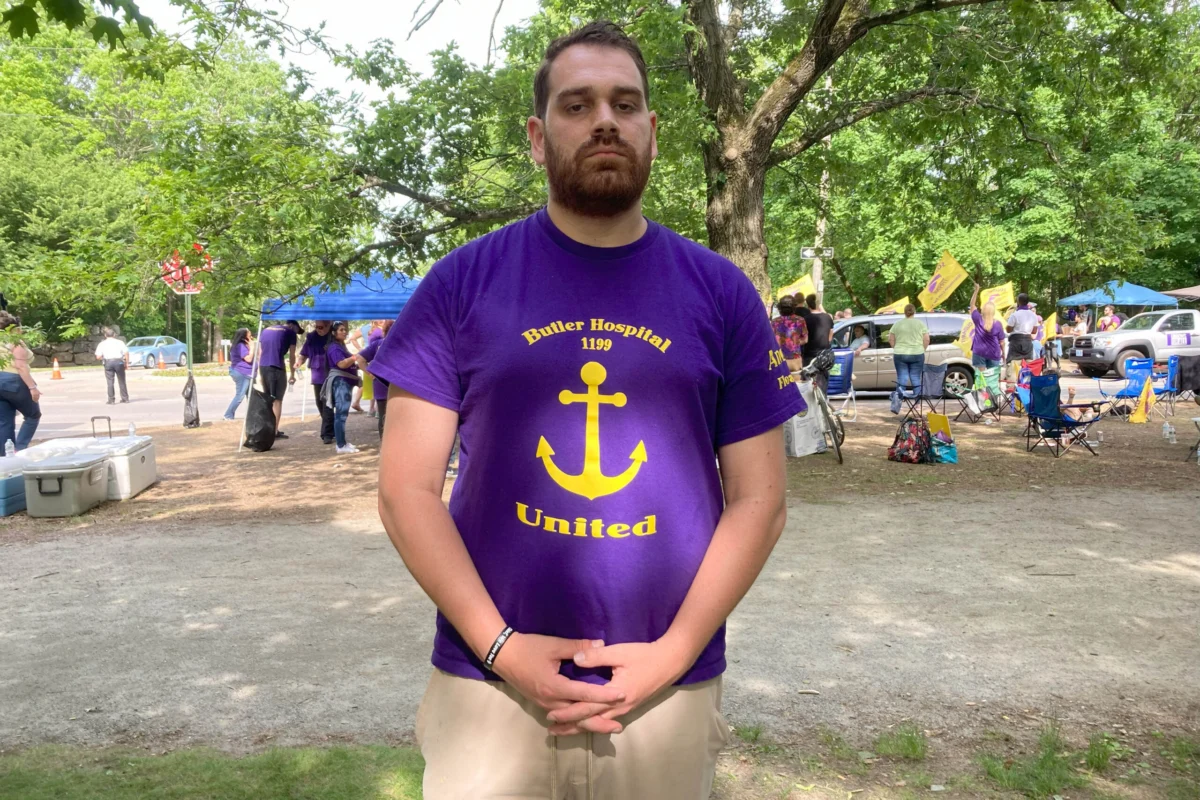
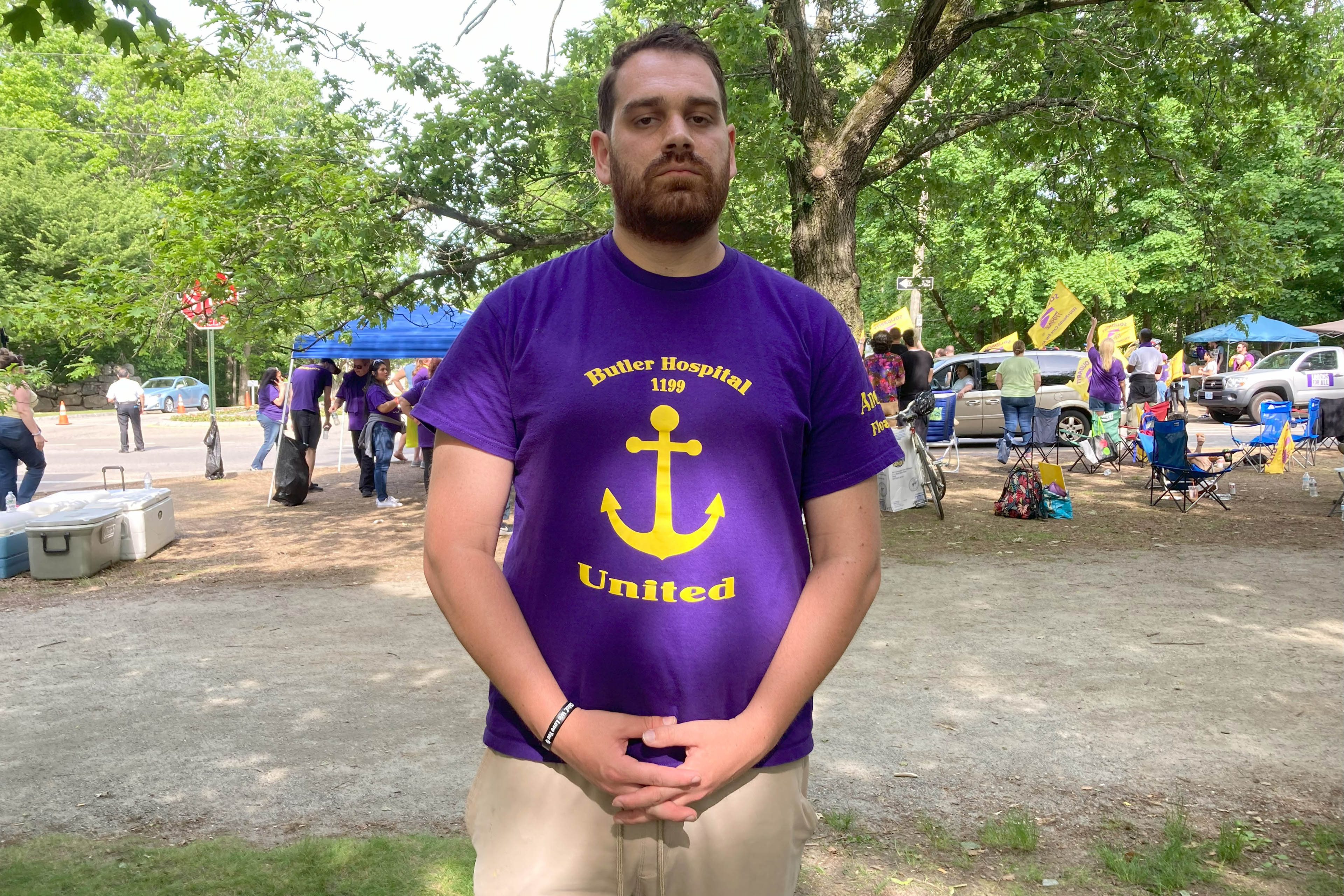
Andrew Kimball-Mirzaie, a mental health worker at Butler Hospital in Providence, Rhode Island, experienced the brutal consequences of this escalating violence firsthand in February 2024. While monitoring a young patient awaiting inpatient admission, Kimball-Mirzaie was punched in the face, sustaining a concussion and a broken nose. The assault, documented in the hospital’s incident log, left him with significant injuries. He expressed understanding of the inherent dangers of his profession but emphasized that the incident could have been mitigated. "We should have had at least another staff member with us," he stated, adding, "and I should have been adequately trained on the unit." This attack served as a powerful impetus for Kimball-Mirzaie to join approximately 700 other unionized Butler workers in a prolonged strike during the spring and summer of 2025. The strike, which forced the hospital to temporarily close nearly half of its beds, was declared a victory by Service Employees International Union 1199 New England. The agreement secured wage increases aimed at improving staff recruitment and retention, financial support for violently injured workers, and the joint funding of a "time bank" to assist with recovery.
However, the persistent threat of violence remained evident. Merely five months after the strike’s resolution, a nurse supervisor at Butler Hospital had to call 911 when an unarmed patient began assaulting staff in the emergency room. By the time law enforcement intervened, two nurses, a security guard, and a police officer had sustained injuries. In response, Mary Marran, Butler’s president and chief operating officer, issued a statement emphasizing the hospital’s commitment to proactive safety measures and regular consultations with staff to enhance protections. The patient in this incident faced multiple felony assault charges, including those related to the assaults on the two nurses.
The American Hospital Association (AHA) advocates for punitive measures as a primary deterrent to violence. The AHA has been actively lobbying Congress to criminalize the assault of healthcare workers as a federal offense, carrying penalties of up to 10 years in prison. Currently, at least 45 states, including Michigan and Rhode Island, have enacted similar legislation. Despite these legal frameworks, workplace safety experts remain skeptical about their effectiveness in reducing the incidence of violence against healthcare providers, suggesting that a focus solely on punishment may overlook crucial preventative strategies.
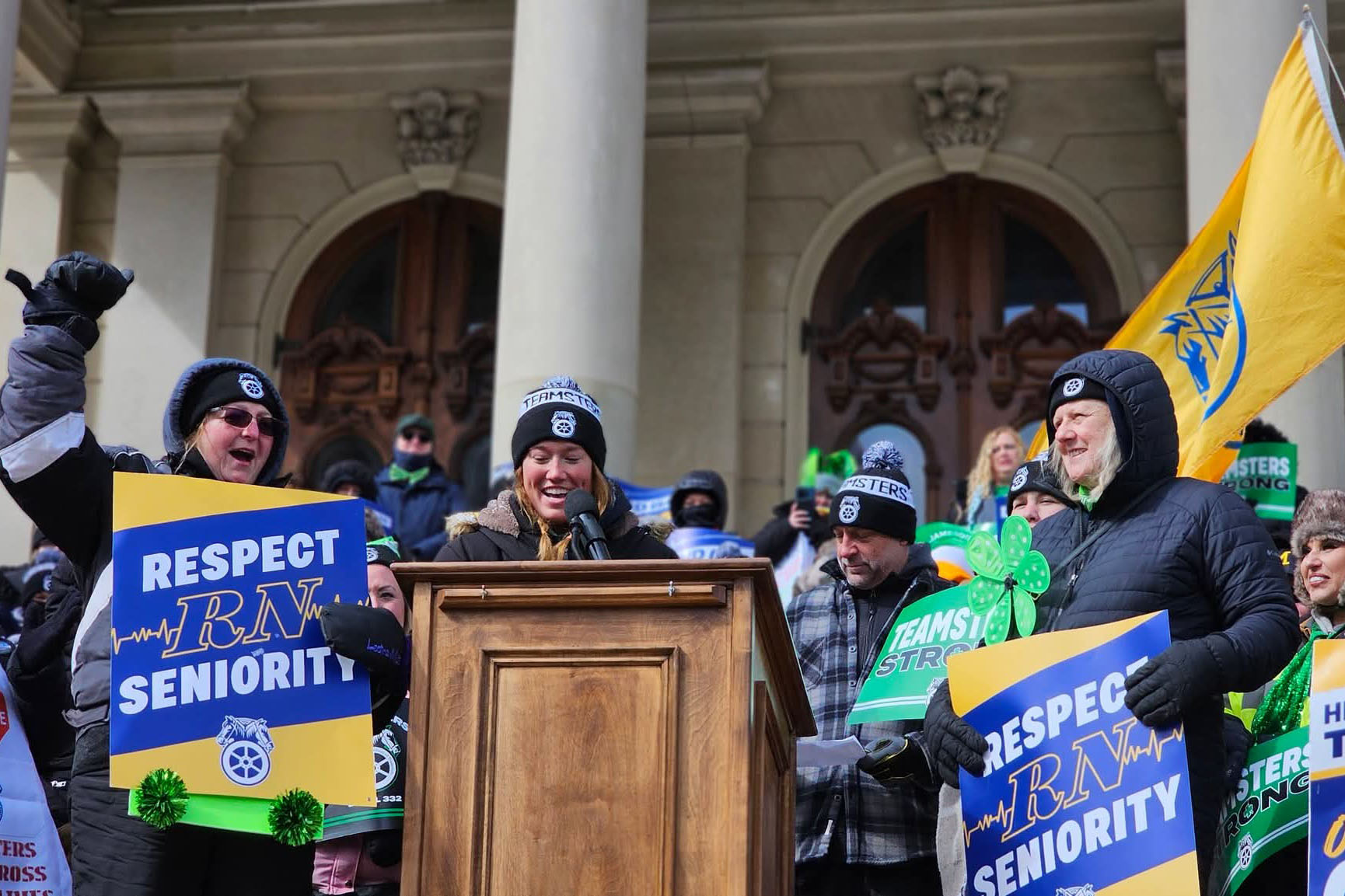
The core demand of striking healthcare workers across the nation often centers on "safe staffing" rather than solely on stricter penalties for perpetrators. This reflects a belief that adequate staffing levels are fundamental to preventing patient agitation and aggression, thereby creating a safer environment for both staff and patients. The Joint Commission, the accreditation body for a significant majority of U.S. hospitals, has recognized the growing crisis by implementing national performance goals that took effect in January. These goals mandate that hospitals maintain appropriate staffing levels and ensure staff are trained to deliver safe, quality care.
Despite these efforts, the absence of a federal law establishing nurse-to-patient ratios across all healthcare settings remains a point of contention. The National Nurses United, the nation’s largest nurses union, has been advocating for a national standard since 2018, arguing that safe staffing enables nurses to address patient needs before they escalate into agitation or disorientation. Jane Thomason, lead industrial hygienist for National Nurses United, emphasizes that "safely staffing all units" is crucial for preventing such incidents.
While California has implemented broad mandatory nurse staffing ratios, which research suggests are associated with lower mortality rates and potentially higher staff retention, other states have had more limited success. Oregon has a staffing law with several exceptions, and legislative efforts in Massachusetts and New Jersey to introduce similar bills have stalled. The American Hospital Association opposes mandatory minimum nurse staffing ratios, arguing they could undermine clinical judgment, exacerbate staffing shortages, and potentially lead to the diversion of patients or delays in care. They point to California’s new emergency nurse staffing ratios for psychiatric hospitals, which have reportedly resulted in bed closures in several counties, illustrating the potential unintended consequences.
Jordan Barab, a former deputy assistant secretary of labor for OSHA, suggests that hospitals can implement a range of measures beyond increasing staffing, such as enhanced de-escalation training, the installation of metal detectors, and the presence of specially trained security guards to ensure a more immediate response during incidents. Debbie Berkowitz, a worker safety and health policy expert at Georgetown University, warns that upcoming congressional budget proposals could strain hospital finances, potentially leading to cuts in worker protection initiatives. She posits that when funding dwindles, "protecting workers is going to be the first thing that gets cut." This financial pressure, coupled with the persistent threat of violence, creates a challenging environment for ensuring the safety and well-being of the nation’s healthcare workforce.
