
"The specter of parental separation and systemic fear casts a long shadow over immigrant children, leading to profound psychological distress, physical health issues, and long-term developmental harm that impacts not only individuals but the fabric of society."
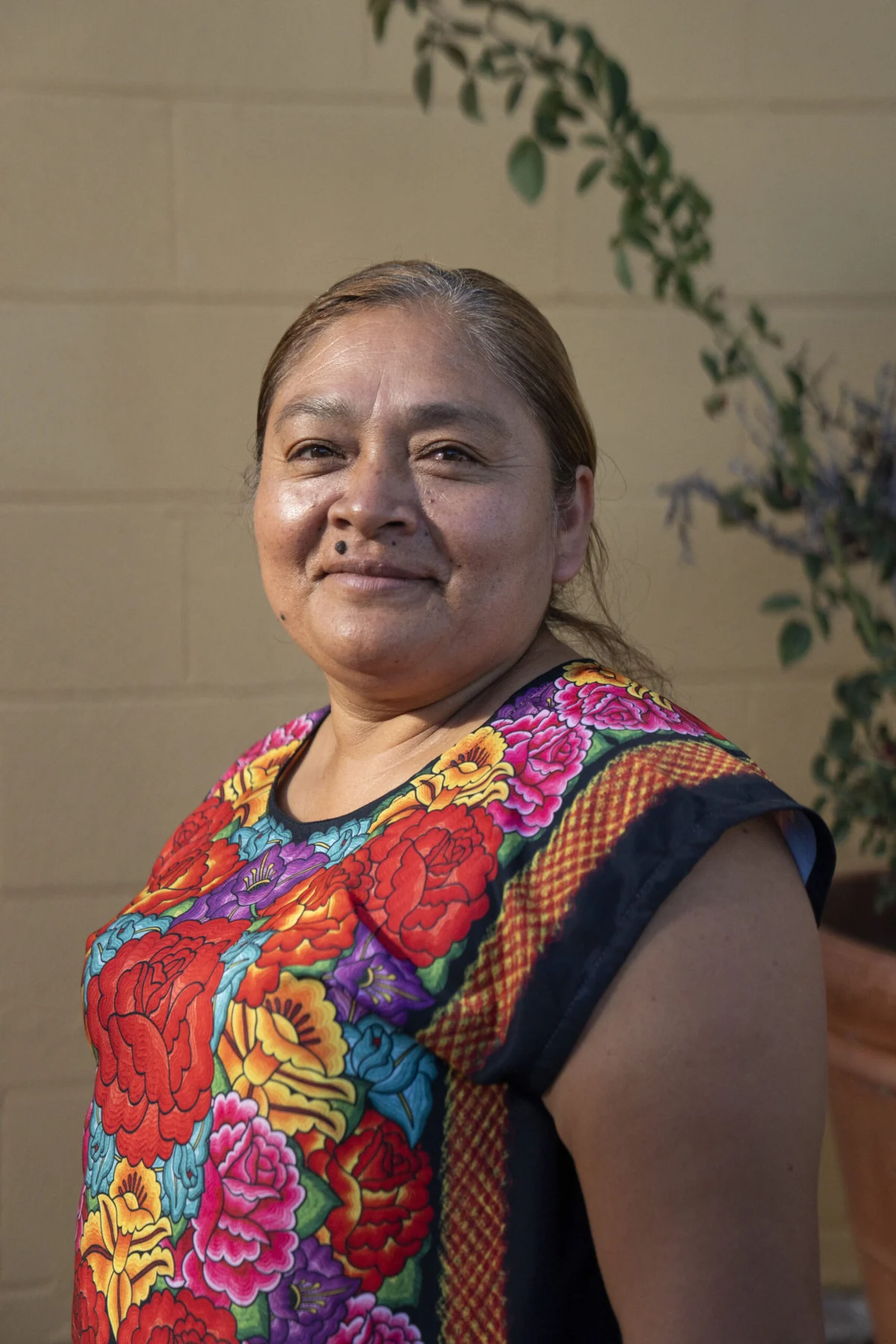
A young girl, her eyes clouded with a desperate hope, posed a question that would echo the silent anguish of countless children: "Are you the person who’s going to bring my mom back?" This poignant encounter, unfolding on a cold December morning, underscores the devastating reality faced by families entangled in the complex and often brutal machinery of federal immigration enforcement. While Norma Gómez, a project manager for a nonprofit providing aid to immigrant families, could offer food and essential supplies, the fundamental request—the return of a parent—lay beyond her immediate reach. This deeply personal moment serves as a stark illustration of the widespread trauma inflicted upon millions of immigrant children, a consequence of policies that have intensified since the return of President Donald Trump to office. The ripple effects extend far beyond the immediate separation, destabilizing families, straining caregivers, and creating a pervasive atmosphere of fear that erodes children’s health, education, and overall well-being.
The United States is grappling with an escalating crisis impacting its youngest and most vulnerable residents: the children of immigrant families. The intensification of federal immigration enforcement, particularly under recent administrations, has resulted in a widespread disruption of family structures, leading to significant and often long-lasting detrimental effects on children’s physical and mental health. This has become a critical public health issue, demanding a comprehensive understanding of its multifaceted consequences.
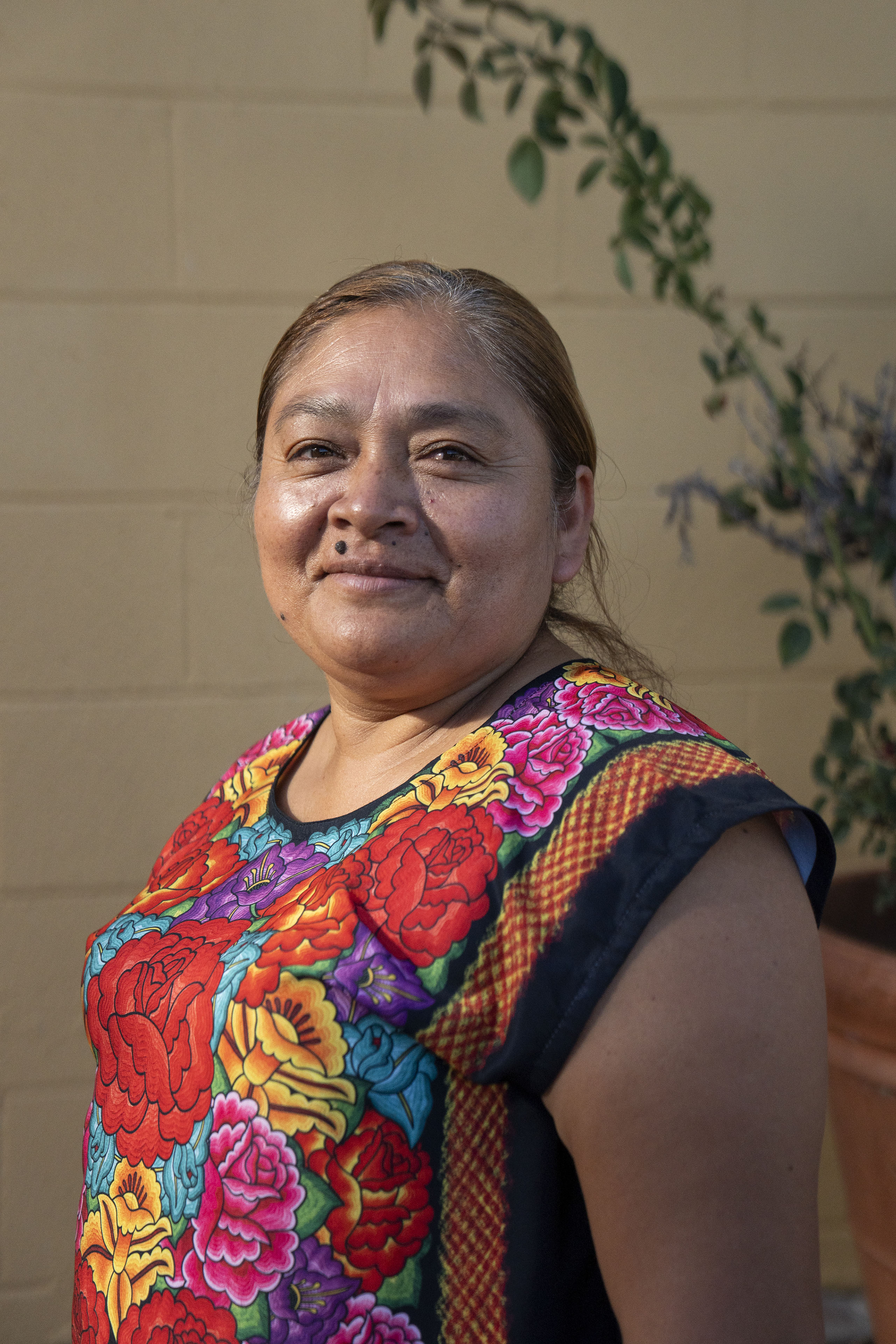
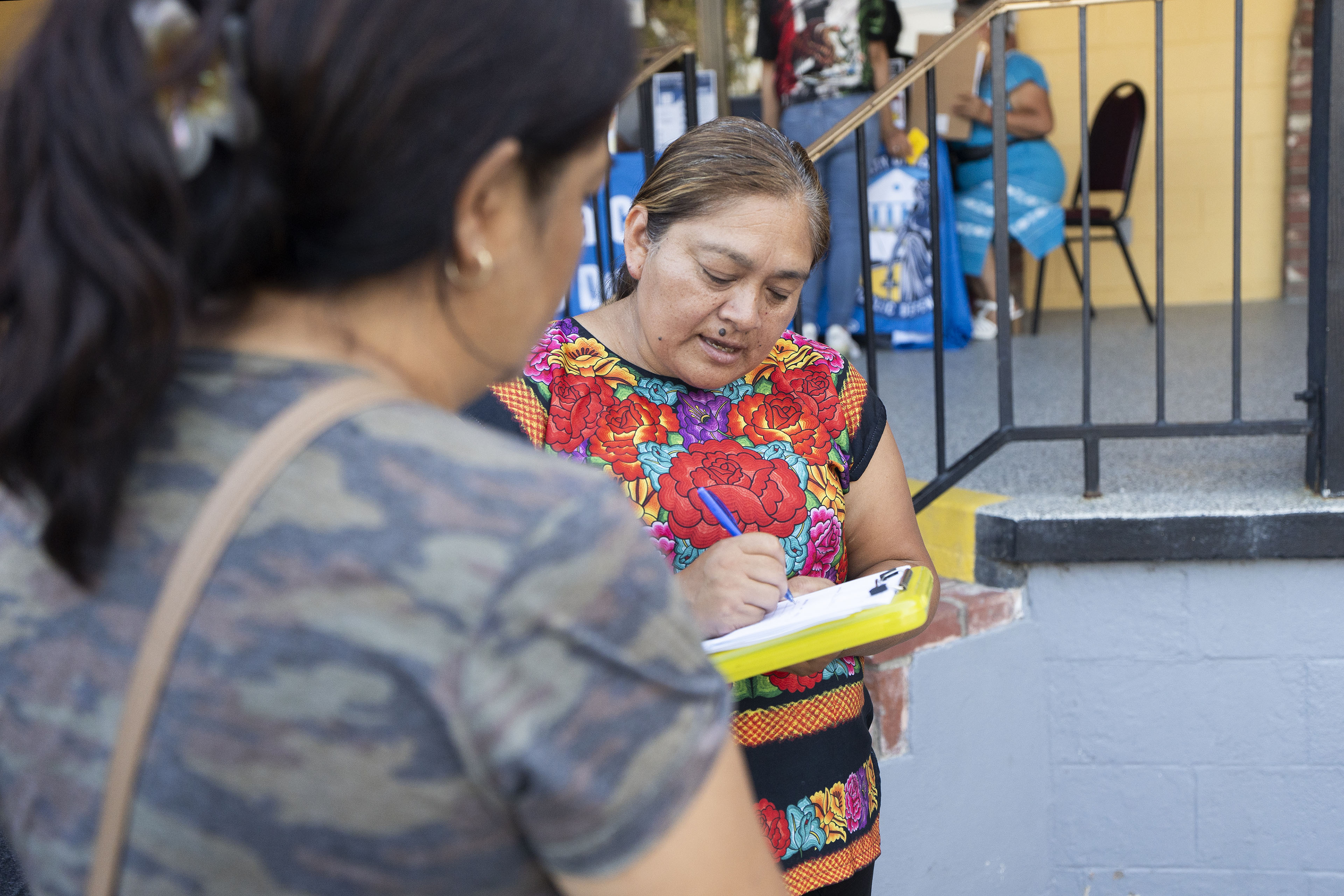
A stark illustration of this crisis was witnessed on a December morning when Norma Gómez, a project manager for the Mixteco Indigena Community Organizing Project, encountered a young girl outside her neighbor’s apartment. The girl, six years old, looked up at Gómez with sad, brown eyes, a flicker of hope igniting within them as she asked, "Are you the person who’s going to bring my mom back?" Gómez, who had arrived with essential supplies like food, diapers, and clothing for the girl, her infant brother, and the neighbor caring for them, found herself unable to provide a truthful and comforting answer. The children’s parents had been arrested by federal immigration agents outside their Oxnard home, a predominantly Latino agricultural community on the Southern California coast. While Gómez could offer material support, the power to reunite the family was beyond her grasp. Her response, "We’re working on that," was a gentle evasion of a harsh reality, a testament to the helplessness felt in the face of such profound familial disruption.
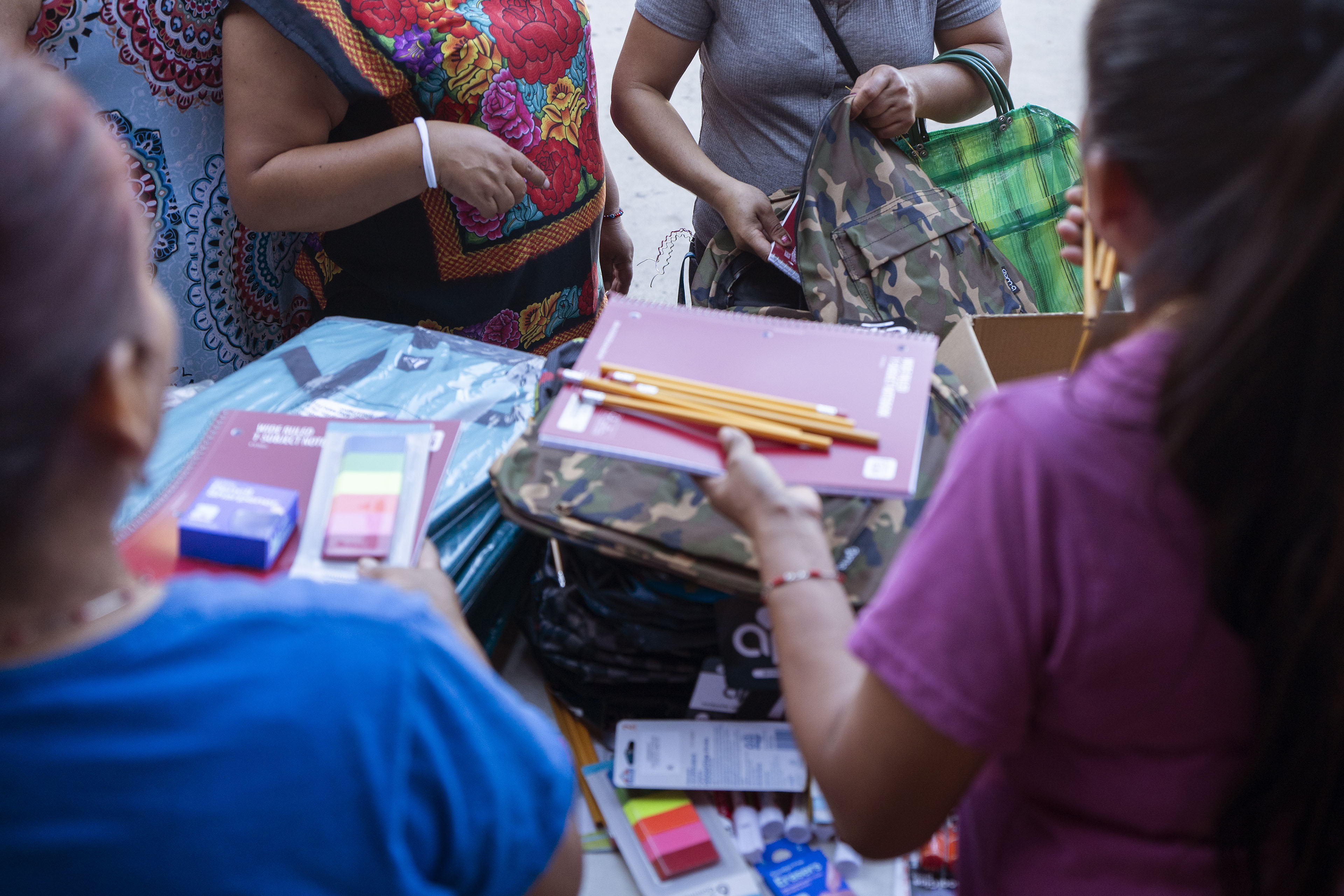
This incident is not an isolated event. It represents a broader pattern affecting millions of immigrant families across the United States. Since President Donald Trump’s return to office, the lives of these families have been roiled by increased immigration raids and detentions, with devastating consequences for children’s health. Reports indicate that as of April, an estimated 205,000 children had at least one parent detained by immigration authorities, a number that has undoubtedly continued to climb. The psychological toll of parental separation on children is well-documented, leading to significant emotional distress, anxiety, and depression. Beyond the immediate psychological impact, these separations destabilize entire families. The remaining parent or caregiver is often left scrambling to maintain housing, secure food, and address the children’s medical needs. In some tragic instances, children are left entirely alone, forced to care for themselves.
The ramifications of immigration enforcement extend beyond the direct detention of parents. Many children whose parents are not detained are still experiencing profound threats to their health and well-being. In February 2025, two children in North Carolina reportedly died by suicide after allegedly being bullied over their family’s immigration status. This highlights the severe emotional distress that can arise from the constant fear and stigmatization associated with immigration.
Furthermore, millions of children in immigrant families are facing the erosion of access to essential resources. As federal and state governments roll back eligibility for various programs, immigrants, regardless of their legal status, are losing access to crucial medical care, food assistance, and tax credits. This is compounded by a pervasive climate of fear that has driven parents to avoid essential activities. Fear of federal enforcement has led parents to keep their children out of school, forgo necessary medical appointments, and disengage from social activities. Many have also opted out of or actively avoided enrolling their children in vital health and nutrition programs, such as Medicaid, fearing that participation could negatively impact their immigration status through the "public charge" rule.
Children from immigrant backgrounds are living under a constant cloud of fear. This pervasive anxiety manifests as increased emotional distress, heightened bullying in school, and a pervasive fear of racial profiling by Immigration and Customs Enforcement (ICE), even for individuals who are citizens or legal residents. This anxiety is particularly acute for U.S.-born children with immigrant parents. Approximately one in four U.S.-born children have at least one immigrant parent, and around 4.6 million of these children have a parent who lacks legal status. The stress and uncertainty these children experience can have profound and lasting developmental consequences, inhibiting their academic success, overall health outcomes, and their ability to grow into stable, thriving adults.
The policy landscape under President Trump has prioritized a significant crackdown on immigrants, including their children. On Inauguration Day, an executive order was issued that sought to end birthright citizenship for children born to parents without legal status or on temporary visas, an attempt that was ultimately blocked by the Supreme Court. The administration has also significantly increased funding for immigration enforcement, leading to the detention of parents of an estimated 145,000 U.S. citizen children as of April. The Marshall Project reported that over 6,200 children have been detained by ICE. Efforts to rescind Temporary Protected Status (TPS) for over one million immigrants, many of whom have U.S. citizen children, and the stalling of Deferred Action for Childhood Arrivals (DACA) renewals, which impacts parents of approximately 300,000 citizen children, further exacerbate these challenges.
White House officials have defended these immigration policies, asserting that the crackdown benefits American citizens by freeing up resources, reducing pressure on public coffers, and restoring integrity to the immigration system. They argue that mass deportations are improving Americans’ quality of life. However, studies have indicated that mass deportations can negatively impact U.S. workers. President Trump and other Republican leaders have contended that birthright citizenship encourages unauthorized immigration and "birth tourism," and that TPS has been exploited by immigrants from "dangerous, third-world countries" to remain in the U.S. indefinitely. In response to concerns about the long-term harm to children, a White House spokesperson reiterated criticisms of the Biden administration’s policies, highlighting the psychiatric impact on children who were trafficked across the border.
Despite the administration’s justifications, public approval of President Trump’s handling of immigration remains low, with only 39% of Americans approving, according to a recent Associated Press-NORC Center for Public Affairs Research poll. This contrasts with the claims made by figures like Stephen Miller, a chief architect of the administration’s immigration policies, who has accused the children of immigrants of draining public resources and perpetuating problems from their parents’ home countries. However, extensive research demonstrates that immigrants tend to earn more and fare better the longer they reside in the United States. Data also indicates that immigrants and their children assimilate rapidly and rely less on welfare programs than native-born Americans. Miller’s assertion that "migrants and their descendants recreate the conditions, and terrors, of their broken homelands" is largely unsubstantiated by empirical evidence on immigrant integration and economic mobility.
The economic and social policies enacted by the administration further compound the challenges. A tax-and-spending law passed last summer curtailed immigrant eligibility for health and food assistance programs. In July, new "public charge" rules were introduced, granting immigration officers broad discretion to deny green cards to lawfully present immigrants who have used public benefit programs. This policy could lead to over a million U.S. citizen children disenrolling from safety net healthcare programs, creating significant access barriers to essential medical care.
The separation of children from their parents is an inherently traumatic experience, with the potential to inflict lifelong health problems, including anxiety, depression, cardiovascular disease, and learning difficulties. Research on children separated from their parents at the border during the earlier Trump administration revealed lasting trauma. Similarly, deportations and detentions of immigrant parents, and even the threat of such actions, have been linked to widespread emotional trauma, increased school dropout rates, housing instability, and hunger among both immigrant and U.S.-born children. The societal cost of this trauma is substantial. A 2024 study by federal researchers estimated that health conditions related to childhood trauma accounted for $292 billion in healthcare spending in 2021 alone, including costs borne by taxpayer-funded programs like Medicaid and Medicare.
In Oxnard, California, 13-year-old Emmanuel experiences heightened anxiety whenever his father, a farm laborer, leaves for work. He repeatedly seeks reassurance from his mother, Ana, about his father’s safe return and expresses fear about what would happen to him if his parents were detained. This pervasive fear causes him to rush his mother when they are in public, worried about the sudden appearance of ICE agents. The names of Emmanuel and Ana are withheld to protect their privacy due to fear of deportation.
Pediatricians and therapists interviewed by KFF Health News have reported a noticeable increase in mental health issues, particularly anxiety, among children from immigrant families. Kimberly McNally, a pediatrician at Venice Family Clinic, regularly refers children of all ages for mental health services due to fears that their parents will be taken away. Early childhood educators have observed children arriving at daycare with extra bags, prepared for the possibility that their parents may not be able to pick them up. The distress can escalate to extreme actions. In June, a 19-year-old in Atlanta, Eliel José, died by suicide following his father’s deportation to Mexico, a tragic outcome reported by Univision. Rosie Harrison, executive director of Grow Initiative GA, an organization supporting low-income families, has received calls from immigrant parents seeking help for suicidal and depressed children. These situations are often exacerbated by a lack of health insurance and the inability to afford therapy, frequently a consequence of job loss due to worksite raids or eligibility changes imposed by the administration.
Despite the immense pressures, many children are demonstrating remarkable resilience. In a role reversal, some children have become the primary caregivers for their younger siblings, taking on responsibilities such as grocery shopping and taking them to school to shield their parents from the need to leave home and risk exposure to immigration enforcement. Giselle Gonzalez, a university student and volunteer with VC Defensa in Ventura County, recounted a harrowing morning when children on bicycles alerted their immigrant neighborhood to the presence of ICE agents apprehending factory workers and gardeners. This community vigilance underscores a deep-seated awareness and preparedness for potential enforcement actions.
In response to these challenges, neighbors, community groups, health providers, and various organizations have mobilized to support children and families affected by immigration enforcement. They provide essential services such as grocery delivery, free therapy, escorting children to school, and assisting parents in creating emergency childcare plans in the event of detention or deportation. The Arizona State University’s research on the Family Case Management Program, a pilot initiative under President Obama that allowed families seeking asylum to remain in the community while awaiting case resolutions, offers a potential model for keeping families together while enforcing immigration laws. This program, which proved successful and cost-effective, was terminated by the first Trump administration.
At Venice Family Clinic, case manager Mabel Alavez witnesses the daily anxieties of families who remain together but live under the constant threat of separation. Many of these individuals, parents and grandparents who have resided in the U.S. for decades, express fear about taking their children to school, parks, or the beach, and question the safety of enrolling their U.S.-born children in Medicaid. Alavez also assists families facing eviction due to their inability to work and afford rent, often helping them establish plans for child custody should they be detained. As someone raised in an immigrant family, Alavez understands the profound challenges faced by first-generation American children navigating their identity, education, and sense of belonging in a country their parents may not have been born in. She expresses concern about the long-term impact on these children, acknowledging the significant, though yet fully understood, consequences of the current immigration climate. Ultimately, advocates and experts agree that more humane immigration policies and enforcement tactics are imperative to halt the ongoing harm inflicted upon immigrant children.
