
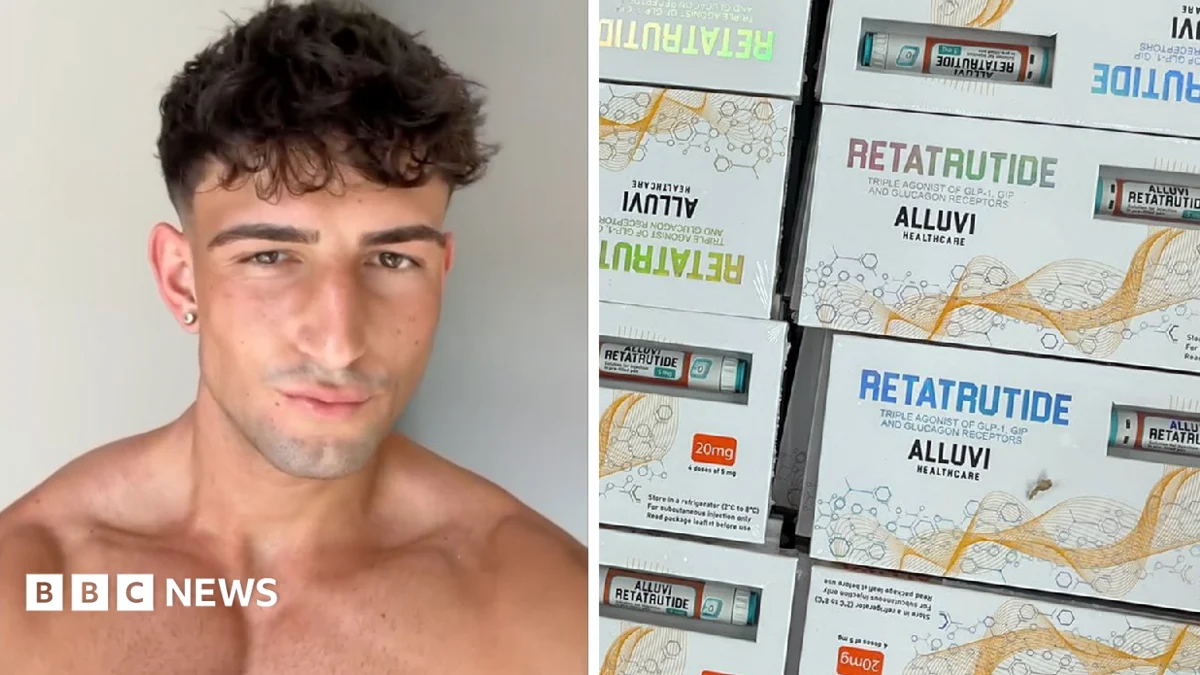
The premature proliferation of counterfeit retatrutide, an experimental weight-loss drug, presents an unprecedented public health crisis, exposing users to severe, unverified risks long before any regulatory approval. This alarming trend underscores the perilous intersection of medical innovation, illicit markets, and desperate demand.
The global pharmaceutical landscape is currently grappling with a novel and deeply concerning phenomenon: the widespread availability of counterfeit versions of an experimental weight-loss drug, retatrutide, which has yet to receive approval from any regulatory body worldwide. Developed by pharmaceutical giant Eli Lilly, retatrutide has shown considerable promise in early clinical trials, sparking excitement for its potential to revolutionize obesity treatment. However, this very promise has inadvertently fueled a burgeoning black market, creating a complex headache not only for Eli Lilly but also for regulators and healthcare systems across the UK and beyond.
This situation is particularly alarming because it represents one of the first instances where copycat versions of a drug still undergoing rigorous testing have become so widely accessible. Unlike approved medications that are later counterfeited, "reta," as it has been colloquially dubbed, is being sold illicitly while its safety and long-term efficacy are still being meticulously investigated in controlled clinical environments. Vials purporting to contain retatrutide are openly marketed and distributed through an astonishing array of channels, including gyms, nail and beauty salons, hairdressers, social media platforms, and even by street vendors.
Pharmacist Sehar Shahid, director of 24 HR Pharmacy, articulates the gravity of the situation, stating, "The world has gone mad. People are effectively injecting an illegal drug and thinking it’s safe." She highlights the alarming normalization of this practice, where individuals openly discuss their suppliers, share recommendations for obtaining the drug, and post about their experiences across social media. A cursory glance at popular platforms like TikTok reveals a deluge of "before and after" transformations, with users extolling "reta" for its reported ability to suppress "food noise," facilitate significant weight loss, and, for some, purportedly transform their lives. The ease with which these unverified substances can be ordered online, often within minutes, with no proof of origin, composition, or potential effects, is a stark testament to the unregulated nature of this market.
The fundamental problem lies in the disconnect between perceived efficacy and verified safety. While real retatrutide has indeed yielded positive results in its most recent clinical trials, it remains firmly within the experimental phase. In the United States, only about 50% of drugs that reach Phase III clinical trials—the stage where retatrutide currently resides—ultimately receive approval from the Food and Drug Administration (FDA). This high rate of failure is predominantly attributed to drugs either not performing as effectively in large, diverse human populations as they did in smaller, earlier tests, or, critically, revealing unexpected safety hazards that preclude their market entry. Therefore, there is no guarantee that retatrutide will ever be legally available. Crucially, the illicit, counterfeit versions currently circulating bear no assurance of resembling the meticulously developed compound being tested in controlled laboratory settings.
Eli Lilly has issued strong public warnings on its website, unequivocally stating, "no one should take anything claiming to be retatrutide outside of a Lilly-sponsored clinical trial." The company emphasizes the inherent dangers: "Illicit retatrutide products may contain unknown ingredients, harmful contaminants and impurities. These products may also have too much or too little active ingredient, or the wrong ingredient entirely." Despite these clear admonitions, a significant number of individuals appear willing to gamble with their health.
The medical community is increasingly encountering the severe consequences of this illicit trade. Endocrinologist Prof. Donal O’Shea reports seeing "young fit patients coming into hospital with nausea, vomiting, diarrhoea, in and some cases kidney failure," directly linked to the use of these unapproved substances. He highlights the particularly dangerous practice of some personal trainers not only supplying the drug but also administering injections to their clients, leaving patients "no idea how much they have been taking, or even what they’ve been injected with."
Tom Davies, a 20-year-old from Brighton, narrowly avoided hospitalization after accidentally overdosing on a fake version of retatrutide. He sourced the product from a Chinese supplier based on recommendations from friends at his gym. His experience was "horrendous," describing a feeling of immense internal pressure, severe bloating, and "like someone had dropped a 20kg weight on my stomach." For 72 agonizing hours, he endured debilitating diarrhoea and nausea, prompting fears of needing emergency medical intervention. Tom later discovered he had administered eight times the recommended dose. This incident underscores another critical danger: counterfeit retatrutide often arrives requiring reconstitution with sterile bacteriostatic water, a process that demands precise calculations and sterile technique, neither of which are typically accessible or understood by a layperson.
Dr. Nas Khattak, a research doctor in Chester involved in screening patients for one of Eli Lilly’s Phase III clinical trials, starkly warns that individuals sourcing fake versions are, in effect, "behaving as lab rats without any medical oversight." He emphasizes the rigorous protocols governing legitimate trials: participants must meet strict criteria, undergo comprehensive medical assessments including GP record reviews, mental health evaluations for suicide and self-harm risks, and extensive blood tests, all performed and analyzed by qualified doctors, before being deemed suitable for either the real drug or a placebo. This starkly contrasts with the unregulated, unsupervised self-administration prevalent in the black market.
Despite his harrowing initial experience, Tom, after researching dosing, decided to resume taking his fake retatrutide. After nine months of cyclical use, he reports a complete cessation of sugar and junk food cravings. However, pharmacist Shahid cautions that a positive outcome for one individual using a fake version "does not mean it will work for the next," given the unknown and variable composition of these illicit products.
The allure of retatrutide stems from its innovative mechanism. Unlike currently approved obesity medications such as semaglutide (marketed as Ozempic and Wegovy) and tirzepatide (marketed as Mounjaro), which target one or two hormone receptors, retatrutide, if approved, would be the first weight-loss medication globally to act on three key hunger-regulating hormones: glucagon-like peptide-1 (GLP-1), glucose-dependent insulinotropic polypeptide (GIP), and glucagon. This unique "triple G" agonism is hypothesized to offer superior efficacy in weight management.
Lisa King, another user of counterfeit retatrutide since July, reported losing 3kg (6lb) a week at one stage, alongside gym attendance and healthy eating. She also believes it helps manage some symptoms of polyendocrine metabolic ovarian syndrome (PMOS), noting reduced sugar cravings, regulated periods, and increased energy. While GLP-1s are known to help regulate blood sugar, and some studies suggest these weight-loss drugs can alleviate certain PMOS symptoms like extreme tiredness, kidney problems, and high blood pressure, Lisa acknowledges, "I’m not sure if it’s due to reta." Her nonchalant dismissal of the drug’s unapproved status—"No, not at all. There are many things that have not been approved. If I start to experience any negative side effects I’ll just come straight off it"—highlights a dangerous underestimation of the risks involved.
Other users of counterfeit retatrutide have reported a diverse range of adverse effects, including brain fog, persistent nausea, diarrhoea, loss of libido, and a disturbing inability to experience happiness or joy, indicating potential profound impacts on mental and emotional well-being. Doctors are increasingly concerned by the spectrum of side effects observed among users of these unverified weight-loss drugs. Dr. Sahira Dar, a GP and chair of the British Islamic Medical Association, advocates for healthcare professionals to inquire about black market product use "without judgement" to encourage patients to openly "disclose what they have taken," enabling appropriate medical intervention.
Eli Lilly, having invested nearly a decade in developing retatrutide, is now aggressively fighting to protect its product and curb the illegal sales proliferating globally. The company is taking legal action against peptide companies, social media influencers, compounding pharmacies manufacturing fake medication, and wellness clinics. It has reported over 14,000 websites, advertisements, and social media posts that it identifies as illegally marketing the experimental drug. Eli Lilly affirms its continued collaboration with "law enforcement and regulatory authorities to combat black market drugs," with a spokesperson reiterating, "Any retatrutide available online is unapproved, unverified and simply not worth the risk."
In the UK, the Medicines and Healthcare Products Regulatory Agency (MHRA) has conducted numerous raids and made several seizures of "products claiming to contain retatrutide" over the past year. The agency acknowledges the various routes through which these illicit products enter the UK and states its ongoing efforts to "disrupt illegal importation and distribution." Despite these efforts, the illicit sales persist, a testament to the high demand and sophisticated networks involved.
While addressing the immediate dangers, Prof. O’Shea underscores the importance of not "trashing this family of medications." He emphasizes that "GLP-1s are a major advance in managing obesity, a major advance in our insight into how the brain regulates cravings and appetite. That," he asserts, "is huge." His perspective highlights the delicate balance between warning the public about immediate dangers and acknowledging the immense scientific and medical promise of this new class of drugs.
For now, retatrutide faces a long and stringent path to legitimate approval. Eli Lilly plans to submit its application for US FDA approval early next year. The review process can take up to a year, meaning retatrutide would not be legally available in the US until the end of 2027 at the earliest. In the UK, depending on MHRA approval, it could potentially reach the market by 2028. Until then, the black market for "reta" remains a dangerous and unregulated frontier, where the promise of a medical breakthrough is overshadowed by profound and immediate public health risks.
