
Many adults with dyslexia conceal their condition from employers, fearing discrimination or missed opportunities, despite possessing unique strengths valuable to the professional world. This widespread reticence highlights a critical gap in workplace understanding and support for neurodivergent talent.
The professional landscape presents unique challenges for individuals with dyslexia, a neurodevelopmental condition affecting reading, writing, and processing information. While educational institutions have made strides in providing support, the transition into the workforce often reveals a stark lack of understanding and accommodation, compelling many to hide their dyslexia. This concealment not only places undue stress on individuals but also deprives organizations of diverse perspectives and innovative problem-solving abilities inherent in neurodivergent thinking.
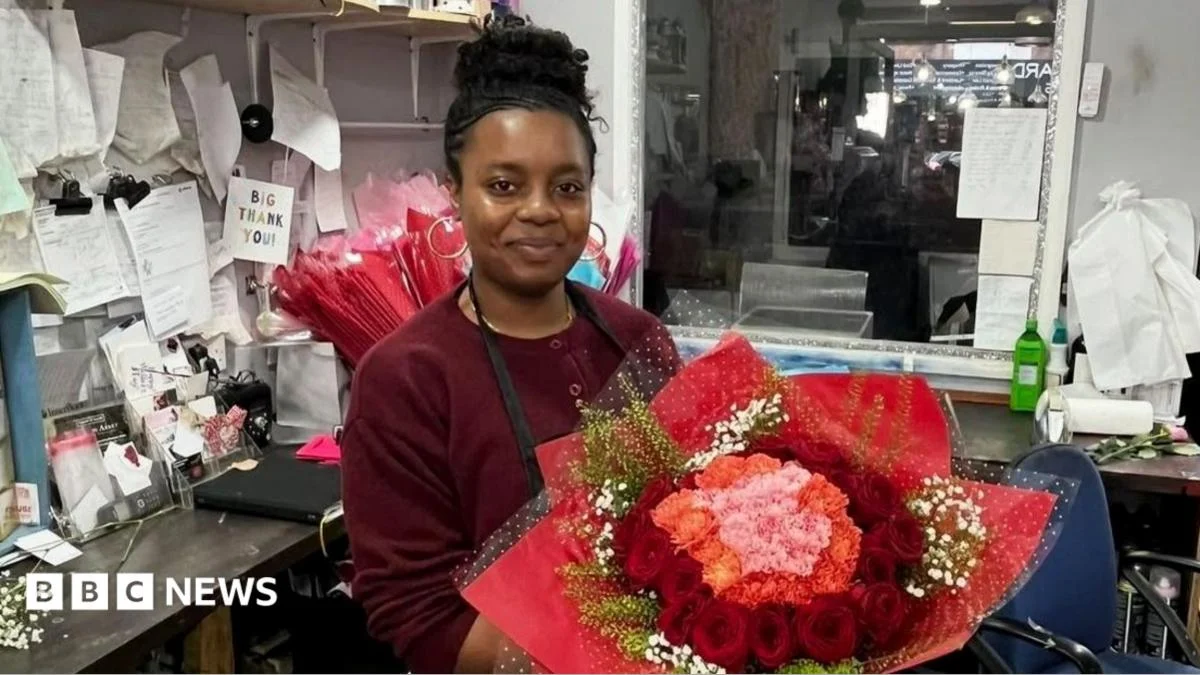
For nineteen-year-old Ayana Bailey, the decision to disclose her dyslexia on job applications is a calculated risk, often leading her to err on the side of caution. "It’s not like there’s going to be a target on my back, but I’m just like, ‘maybe they won’t select me’," explains Bailey, who works part-time as a florist. Her apprehension is not unfounded; a recent survey by the British Dyslexia Association (BDA) involving over 1,200 working dyslexic adults revealed that Bailey’s experience is far from isolated. A significant 46% of respondents admitted to concealing their dyslexia at work, indicating a pervasive fear of stigma and potential career detriment. Furthermore, a staggering 81% believe their condition exacerbates work-related stress, underscoring the profound emotional and psychological toll of navigating an unaccommodating environment.
Ayana’s journey with dyslexia began with a diagnosis at age eleven, followed by a period of robust support in school. Mentoring, assistive technologies, and tailored learning strategies helped her not only to comprehend her learning style but also to build confidence and manage the low self-esteem that often accompanies learning differences. This positive educational experience, however, contrasts sharply with the complexities she now faces in the professional realm. The world of work, she notes, has proven significantly more challenging.
The application process itself can be a formidable barrier. For Ayana, the sheer volume of written information, the precise linguistic demands, and the often-unforgiving digital forms are "daunting." She relies on her mother’s assistance to navigate these initial hurdles, a testament to the extensive support sometimes required to simply apply for a role. This reliance highlights a systemic flaw: if the gateway to employment is inherently biased against a significant portion of the population, then talent is being overlooked before it even has a chance to be assessed.
Interviews present another layer of difficulty. Ayana describes a phenomenon where she "just shut down. I completely forget who I am." This acute anxiety, often triggered by the pressure of real-time verbal processing and articulation, can mask an individual’s true capabilities. While strategies like preparing a script can offer some coping mechanisms, Ayana admits they are not always effective, particularly when faced with unexpected questions or dynamic conversational shifts. The traditional interview format, heavily reliant on spontaneous verbal fluency and rapid information recall, often fails to accurately gauge the intelligence, creativity, and problem-solving skills of dyslexic candidates.
The reluctance to disclose dyslexia stems from a cocktail of factors, including a fear of being perceived as less capable, a concern about needing "special treatment," or simply the exhaustion of having to constantly explain and advocate for oneself. Dyslexia, often referred to as an "invisible disability," can be particularly misunderstood. Unlike more visibly apparent conditions, its manifestations are often subtle and can be misattributed to carelessness, lack of effort, or even low intelligence, perpetuating harmful stereotypes. This lack of visible indicators means that employers may be less aware of the need for adjustments or may dismiss requests for accommodation as unnecessary.
However, viewing dyslexia solely through the lens of challenges misses a crucial aspect: the unique strengths and cognitive advantages it often confers. Ayana, who studied film and aspires to work in the creative arts, attests to this duality. While dyslexia has undeniably contributed to anxiety at times, it has also "given her opportunities." She emphatically states, "I would definitely say my creativity and thinking outside the box [is my biggest strength]." This divergence in cognitive processing often leads to exceptional abilities in areas such as visual thinking, spatial reasoning, complex problem-solving, and pattern recognition. Ayana’s dyslexia, for instance, makes her a highly visual learner, enabling her to imagine characters vividly before encountering any written descriptions – a skill that fuels her dream of becoming a casting director, where understanding visual representation and character dynamics is paramount.
Indeed, numerous successful entrepreneurs, artists, scientists, and innovators across history have been identified as dyslexic, including figures like Richard Branson, Steven Spielberg, and Albert Einstein. Their achievements often highlight the powerful link between neurodiversity and groundbreaking innovation. These individuals frequently excel in fields requiring holistic thinking, entrepreneurial spirit, and the ability to connect disparate ideas – precisely the attributes that are increasingly valued in a rapidly evolving global economy.
For employers, embracing neurodiversity is not merely a matter of compliance or social responsibility; it is a strategic imperative. A diverse workforce, encompassing a range of cognitive styles, leads to enhanced creativity, improved problem-solving, and a more robust organizational culture. However, to harness this potential, workplaces must evolve. This requires a multi-pronged approach:
- Increased Awareness and Education: Employers and HR professionals need comprehensive training on dyslexia and other neurodivergent conditions, understanding their manifestations, strengths, and the types of accommodations that can be beneficial.
- Accessible Application Processes: Moving beyond text-heavy forms, offering alternative formats for applications (e.g., video submissions, portfolio-based assessments), and ensuring websites are compatible with assistive technologies can level the playing field.
- Inclusive Interview Practices: Rethinking traditional interviews to reduce reliance on immediate verbal recall. This could include providing questions in advance, offering written components, allowing for breaks, or focusing on practical tasks and portfolio reviews.
- Reasonable Adjustments: Implementing accommodations such as assistive software (text-to-speech, speech-to-text), specialized fonts, quiet workspaces, extended deadlines for written tasks, or the provision of clear, concise instructions in multiple formats. Many of these adjustments are low-cost but high-impact.
- Cultivating a Culture of Psychological Safety: Creating an environment where employees feel safe to disclose their dyslexia without fear of judgment or negative repercussions. This involves promoting empathy, understanding, and celebrating diverse thinking styles.
The BDA survey findings serve as a stark reminder of the disconnect between the potential of dyslexic individuals and the realities of the modern workplace. When nearly half of dyslexic adults feel compelled to hide a fundamental aspect of their cognitive makeup, and a vast majority experience work-related stress because of it, it signifies a systemic failure that impacts both individual well-being and organizational performance. By failing to understand and accommodate neurodivergent talent, businesses risk missing out on innovative thinkers like Ayana, whose unique perspective and visual acumen could be invaluable in creative industries.
Ultimately, the goal is not to "fix" dyslexia, but to foster environments where dyslexic individuals can thrive. This requires a paradigm shift from a deficit-based model to one that recognizes and celebrates neurodiversity as a valuable asset. Only then can workplaces truly unlock the full potential of every employee, creating a more equitable, innovative, and productive future for all. Ayana Bailey’s story is a microcosm of a larger societal challenge, urging us to look beyond conventional hiring practices and embrace the richness that diverse minds bring to the world.
