
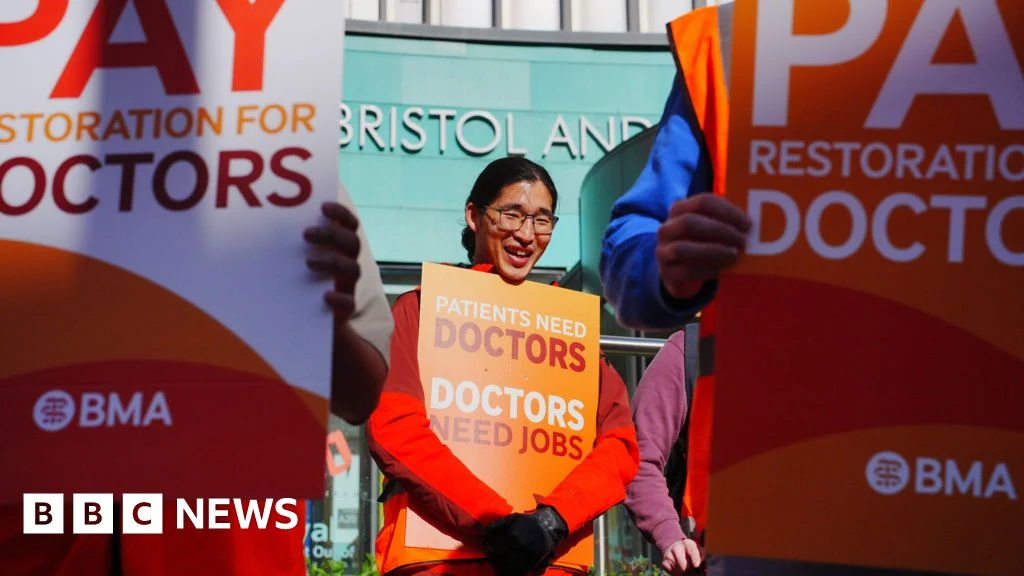
"As resident doctors conclude a six-day strike impacting healthcare across the West, the region also grapples with local development controversies like a proposed KFC in the Forest of Dean and invests in innovative Young Futures Hubs to combat anti-social behaviour and uplift youth prospects."
The West of England has seen a dynamic week, marked by significant developments across its healthcare sector, local economies, and community welfare. The conclusion of a prolonged resident doctors’ strike has cast a long shadow over healthcare services, while simultaneously, local communities debate the balance between economic growth and environmental preservation, exemplified by a contentious fast-food development. Amid these challenges, a forward-looking initiative to establish Young Futures Hubs underscores a proactive approach to nurturing youth and fostering safer communities in areas like Bristol. This confluence of events highlights the region’s complex socio-economic landscape and the ongoing efforts to address its diverse needs.
Healthcare Under Strain: The Resident Doctors’ Strike Concludes
The West of England, like much of the UK, has been profoundly impacted by a six-day strike undertaken by resident doctors, a pivotal group within the National Health Service (NHS). This industrial action, spearheaded by unions representing junior doctors, marked one of the longest continuous strikes in the history of the NHS, causing widespread disruption to patient services across the region. Hospitals such as the Bristol Royal Infirmary, Southmead Hospital, and Royal United Hospitals Bath faced immense pressure as thousands of appointments and procedures were postponed, exacerbating already strained waiting lists.
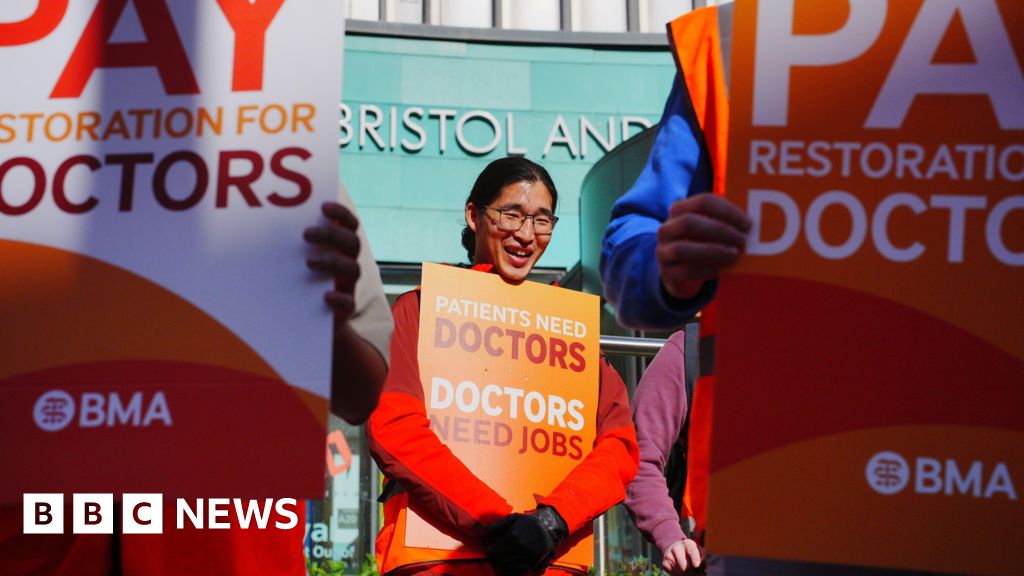
The core of the dispute revolves around a demand for pay restoration, with doctors arguing that their real-terms earnings have significantly eroded over the past decade due to inflation and stagnant wages. The striking doctors assert that this erosion in pay, coupled with demanding working conditions and long hours, is leading to a significant retention crisis within the NHS. The sentiment captured by the sign "Patients need doctors. Doctors need jobs" eloquently encapsulates their position: a well-compensated and supported medical workforce is essential for providing quality patient care. Doctors frequently highlight the moral injury of being unable to provide the level of care they believe patients deserve, a situation compounded by understaffing and resource limitations.
The impact on patients has been considerable. Many faced the anxiety of rescheduled surgeries, diagnostic tests, and routine appointments, with some waiting for critical care. Emergency services, though typically exempt from strike action, faced indirect pressures as other departments struggled to manage patient flow. The British Medical Association (BMA) maintains that while industrial action is a last resort, it is necessary to secure the future of the medical profession and, by extension, the NHS itself. They argue that without competitive pay, the UK will continue to lose doctors to countries with better working conditions and remuneration, ultimately harming patient care in the long run.
As the strike concludes, the immediate challenge for healthcare providers in the West will be to manage the backlog of postponed care and to reassure patients. However, the underlying issues of pay and working conditions remain largely unresolved, hinting at the possibility of future industrial action if negotiations do not yield a satisfactory outcome. The long-term implications for workforce morale, patient trust, and the overall sustainability of the NHS in the West remain a critical concern for both policymakers and the public.
The Forest of Dean and the KFC Conundrum
Moving from healthcare to local economic development and community sentiment, the Forest of Dean has found itself at the centre of a familiar modern dilemma: the introduction of a global fast-food chain into a picturesque, historically significant area. Plans for the region’s first drive-through KFC have ignited a passionate debate among residents, as reported by Gloucestershire Live, with many expressing concern that it could "blight the area’s beauty."
The proposed development, typically positioned to attract passing trade and provide local employment, often promises convenience and investment. Proponents would argue that a new KFC could create dozens of jobs, ranging from management to service staff, and offer an additional dining option for residents and tourists. It might also be seen as a sign of economic vitality, drawing further commercial interest to the area.
However, the opposition underscores a deep-seated desire to protect the unique character and natural appeal of the Forest of Dean. This area, renowned for its ancient woodlands, rich industrial heritage, and tranquil landscapes, prides itself on its distinct identity. Residents’ concerns extend beyond mere aesthetics; they encompass potential increases in traffic congestion, particularly at peak times, which could disrupt local thoroughfares and increase noise pollution. The issue of litter, a common byproduct of fast-food establishments, is also a significant worry, threatening the cleanliness and ecological integrity of the surrounding natural environment. Furthermore, the introduction of a large corporate brand is often perceived as a step towards the homogenisation of local high streets and retail parks, eroding the distinctiveness that makes the Forest of Dean special.
Local planning authorities are tasked with balancing these competing interests: fostering economic growth and job creation against preserving environmental quality, heritage, and community character. Public consultations and planning committee meetings become vital forums for these debates, allowing residents, businesses, and environmental groups to voice their perspectives. The outcome of such a proposal often sets a precedent for future developments, making the decision particularly weighty for local councils. This controversy in the Forest of Dean mirrors similar debates seen across the UK, where communities grapple with the encroachment of corporate chains into areas traditionally valued for their local charm and natural beauty.
Empowering Youth: The Rise of Young Futures Hubs
In a proactive move to address persistent social challenges, the West of England is part of a national initiative seeing the establishment of eight new Young Futures Hubs in areas identified with high rates of anti-social behaviour. These hubs, including a significant one in Bristol, alongside others in cities like Nottingham and Leeds, represent a strategic investment in youth development and crime prevention.
ITV West provided coverage of the launch of Bristol’s East Central Bristol Young Futures Hub on April 1, highlighting its immediate impact and the positive reception from young people themselves. These centres are designed to be more than just traditional youth clubs; they embody a comprehensive, multi-agency approach to supporting young people aged up to 18. The core mission is multifaceted: to offer vital employment advice and skills training, promote health and wellbeing through access to mental health support and positive lifestyle guidance, and crucially, to prevent young individuals from becoming involved in criminal activity.
The rationale behind these hubs is rooted in the understanding that anti-social behaviour often stems from a lack of opportunity, support, and positive engagement. By providing safe spaces, mentorship, educational resources, and recreational activities, the hubs aim to divert young people from negative influences and equip them with the tools they need to build fulfilling lives. For areas like East Central Bristol, which may have faced historical challenges related to socio-economic disparities and limited resources, these hubs offer a beacon of hope and a tangible commitment to future generations.
Experts in youth development and criminology often advocate for early intervention and holistic support models like the Young Futures Hubs. They argue that by addressing the root causes of anti-social behaviour—such as poverty, educational disengagement, family instability, and mental health issues—communities can achieve more sustainable reductions in crime rates than through punitive measures alone. The hubs are expected to foster a sense of belonging, boost self-esteem, and provide positive role models, helping young people to make constructive choices and contribute positively to society.
The long-term success of these hubs will depend on sustained funding, strong community partnerships, and the ability to adapt to the evolving needs of young people. However, their launch signifies a vital step towards a more preventative and supportive approach to youth justice and community safety, with the West of England playing a key role in piloting this important national initiative.
Broader Regional Narratives
Beyond these headline stories, the West of England continues to evolve across several fronts. Discussions around sustainable transport initiatives, such as expansions of cycling infrastructure and improvements to public transport networks, are ongoing in bustling urban centres like Bristol and Bath, aiming to alleviate congestion and reduce carbon emissions. The region’s vibrant tech and creative industries continue to drive economic growth, attracting talent and investment, though this also fuels debates around housing affordability and gentrification. Environmental conservation efforts remain a high priority, with local councils and community groups working to protect green spaces, enhance biodiversity, and adapt to climate change impacts.
In summary, the West of England is a region in constant motion, facing complex challenges and embracing innovative solutions. From the critical work of its healthcare professionals to the delicate balance of local development and the proactive investment in its youth, the narratives emerging from the West reflect a community actively shaping its future amidst a rapidly changing landscape.
